تلّ يشيلوفا هو أقدم مستوطنة معروفة في إزمير، يعود تاريخها إلى نحو 6500 قبل الميلاد. اكتُشف بالصدفة عام 2003، وتجري فيه أعمال التنقيب منذ عام 2005 تحت إشراف الأستاذ المشارك ظفر درين من جامعة إيجه. يُعيد هذا التلّ الانتقالي بين العصر الحجري الحديث وعصر النحاس كتابةَ ما قبل تاريخ ساحل بحر إيجه في غرب الأناضول. يمتدّ الموقع على مساحة تتجاوز 70,000 متر مربع، ويحفظ طبقات سكنية متواصلة تمتدّ على مدى نحو 2,500 عام من الحضارة الإنسانية المبكّرة. وقد كشف فريق الآثار حتى الآن عن تسع قرى مستقلة يمتدّ تاريخها إلى 8,500 عام.
جدول المحتويات
- لماذا يهمّ تلّ يشيلوفا
- الجغرافيا والموقع
- الجدول الزمني التاريخي
- أبرز الاكتشافات والطبقات
- مركز الزوار وقرية العصر الحجري الحديث
- أعمال التنقيب الأثري
- الحياة اليومية في يشيلوفا الحجرية
- معلومات الزيارة
- الأسئلة الشائعة
- المصادر وقراءات إضافية
لماذا يهمّ تلّ يشيلوفا
-
أقدم مستوطنة في إزمير: قبل اكتشاف يشيلوفا، كان التاريخ المعروف لإزمير يبدأ من العصر البرونزي في مواقع كتلّ بيراقلي. دفع يشيلوفا هذا التاريخ آلاف السنين للوراء إلى نحو 6500 قبل الميلاد، ممّا يجعله اكتشافًا بارزًا في تاريخ ما قبل التاريخ في غرب الأناضول.
-
احتلال متواصل عبر آلاف السنين: يحفظ التلّ سكنًا متواصلًا من العصر الحجري الحديث مرورًا بعصر النحاس وصولًا إلى العصر البرونزي، مع بعض الآثار الرومانية على السطح. هذا النوع من الاستمرارية الطبقية نادر في مواقع ساحل بحر إيجه.
-
دليل على التواصل البحري المبكّر: تشير شظايا الأوبسيديان وبعض أنماط الفخار المكتشفة في يشيلوفا إلى أن هذه المجتمعات الحجرية حافظت على علاقات تجارية عبر بحر إيجه، ربّما مع مجتمعات الجزر، في تاريخ مبكّر بشكل لافت.
-
دليل معماري فريد: أسفر الموقع عن هياكل منازل طينية متميّزة بأنظمة سقف منفصلة، ممّا يوفّر بعضًا من أقدم الأدلة على العمارة المنزلية المتطوّرة في منطقة إزمير.
-
نموذج للتواصل مع الجمهور: يُعدّ مركز زوار تلّ يشيلوفا، المصمَّم من قِبل Studio Evren Basbug وSCRA، إلى جانب قرية العصر الحجري الحديث المُعاد بناؤها، أحد أكثر المواقع ما قبل التاريخية سهولةً للزيارة في تركيا لغير المتخصّصين.
-
تسع قرى في تلّ واحد: حدّد فريق التنقيب تسع مراحل استيطانية مستقلة فوق بعضها البعض، تمثّل كلٌّ منها مجتمعًا بنى وسكن وفي نهاية المطاف هجر الموقع قبل أن يحلّ محلّه مجتمع آخر.
الجغرافيا والموقع
يقع تلّ يشيلوفا ضمن النسيج العمراني الحديث لمنطقة بورنوفا، إحدى أحياء إزمير المركزية. يجلس الموقع على تلّة منخفضة في سهل بورنوفا، الذي كان في العصور القديمة أقرب إلى شاطئ الخليج الداخلي لإزمير. كانت المنطقة المحيطة مشهدًا مستنقعيًا رسوبيًا تغذّيه جداول صغيرة تنحدر من تلال يامانلار وبورنوفا.
كان موقع التلّ استراتيجيًا للمستوطنين الأوائل. فقد وفّر:
- وصولًا إلى المياه العذبة من الجداول القريبة والينابيع الطبيعية
- قربًا من ساحل بحر إيجه، ممّا أتاح الصيد والتبادل البحري
- تربة رسوبية خصبة مناسبة للزراعة المبكّرة
- تضاريس مرتفعة فوق المستنقع المعرّض للفيضانات، توفّر دفاعًا طبيعيًا وأمانًا للسكن
دُفن الموقع في نهاية المطاف تحت نحو 4 أمتار من الطمي الرسوبي، وهو السبب الذي جعله مخفيًا حتى كشفت عنه أعمال البناء الحديثة عام 2003 بالصدفة. أسهم هذا الدفن الطبيعي بشكل متناقض في الحفاظ على الطبقات الأثرية بحالة ممتازة.
اليوم، المنطقة المحيطة بالموقع مكتظّة بالعمران، ويشكّل الحديقة الأثرية واحةً خضراء وسط حيّ بورنوفا. يبعد التلّ نحو 3 كيلومترات داخل البرّ عن شاطئ خليج إزمير الحالي، وإن كانت المياه في العصر الحجري الحديث أقرب بكثير.
يُعدّ سهل بورنوفا بحدّ ذاته سمة جيولوجية مهمّة — وهو منخفض رسوبي مسطّح تكوّن عبر الملايين من الترسّبات على مرّ الآلاف من السنين. بالنسبة لسكّان يشيلوفا الحجريين الحديثين، كان هذا السهل يمثّل منطقة انتقال بين الموارد الساحلية لبحر إيجه والأودية الداخلية لغرب الأناضول، ممّا جعله موقعًا مثاليًا للمستوطنات التي تمارس استراتيجيات معيشية مختلطة.
الجدول الزمني التاريخي
العصر الحجري الحديث (نحو 6500--5700 قبل الميلاد)
يعود أقدم استيطان في يشيلوفا إلى نحو 6500 قبل الميلاد، ممّا يضعه بثبات ضمن العصر الحجري الحديث المتأخّر في غرب الأناضول. بنى المجتمع المؤسِّس منازل طينية على أطر خشبية، ومارس تربية الحيوانات والزراعة المبكّرة، وأنتج تقليدًا فخاريًا مميّزًا.
حُدّدت ثماني مراحل فرعية من الاحتلال الحجري الحديث ضمن أعمق الطبقات، تمثّل كلٌّ منها حلقات من البناء والهدم وإعادة البناء. تمتدّ المرحلة الحجرية الأخيرة من نحو 6000 قبل الميلاد إلى 5700 قبل الميلاد.
تشمل أبرز مكتشفات العصر الحجري الحديث:
- منازل طينية بأساسات أطر خشبية
- أدوات حجرية مصقولة (فؤوس، مشارط، أحجار طحن)
- أدوات عظمية تشمل المثاقب والإبر والمكاشط
- أوانٍ خزفية مبكّرة بزخارف بسيطة
- تماثيل إلهة الأم تدلّ على ممارسات طقسية
- شفرات أوبسيديان تشير إلى شبكات تجارة بعيدة المدى
عصر النحاس (نحو 5700--4000 قبل الميلاد)
استمرّت المستوطنة في عصر النحاس بثقافة مادية متطوّرة. أصبح الفخار أكثر رقيًّا، وظهرت أشكال جديدة من إنتاج الأدوات. توسّع المجتمع عبر التلّ، وتشير الأدلة إلى تفاعل متزايد مع المستوطنات المجاورة. بدأت الختوم المطبوعة على الفخار تظهر، ممّا يشير إلى أشكال مبكّرة من تعليم الملكية أو الضبط الإداري.
العصر البرونزي (نحو 3000--2000 قبل الميلاد)
تجلس طبقة العصر البرونزي الأرقّ لكن المميّزة فوق رواسب عصر النحاس، ممّا يشير إلى أن الموقع استمرّ في استقطاب السكّان خلال هذه الحقبة التحوّلية في ما قبل تاريخ بحر إيجه. تُظهر الثقافة المادية لهذه المرحلة ارتباطًا متناميًا بشبكة العصر البرونزي الأوسع في إيجه.
الحقبة الرومانية (نحو القرن الأول إلى الرابع الميلادي)
تشمل المكتشفات السطحية مواد من الحقبة الرومانية، ممّا يشير إلى أن المنطقة استُخدمت على الأقل للأغراض الزراعية خلال العصر الروماني. هذه هي الطبقة الثقافية العليا في الموقع.
ما بعد العصور القديمة
بعد الحقبة الرومانية، دُفن الموقع تدريجيًا تحت الترسّبات الرسوبية من الفيضانات الموسمية ونشاط الجداول. ظلّ التلّ مخفيًا تحت المشهد الزراعي ثمّ الحضري في بورنوفا حتى عام 2003.
أبرز الاكتشافات والطبقات
يبلغ سمك الحشو الثقافي في تلّ يشيلوفا نحو 3 إلى 3.5 أمتار ويحتوي على أربع طبقات ثقافية رئيسية:
| الطبقة | الحقبة | التاريخ التقريبي |
|---|---|---|
| المستوى الأول | روماني | القرن الأول--الرابع الميلادي |
| المستوى الثاني | العصر البرونزي | نحو 3000--2000 قبل الميلاد |
| المستوى الثالث | عصر النحاس | نحو 5700--4000 قبل الميلاد |
| المستوى الرابع | العصر الحجري الحديث | نحو 6500--5700 قبل الميلاد |
ضمن هذه المستويات العريضة، حدّد المنقّبون 15 طبقة معمارية فرعية، تمثّل كلٌّ منها حلقة إعادة بناء بعد حقب من الدمار — يُرجَّح أنّها بسبب الحرائق أو الفيضانات أو الانهيار الهيكلي.
قلم الكحل الحجري عمره 8200 عام
من أبرز الاكتشافات الفردية قلم كحل حجري عمره 8200 عام (أداة لتطبيق الكحل)، اكتُشف عام 2022. يبلغ طوله نحو 9.4 سم (3.7 بوصة)، وهذه الأداة التجميلية نُحتت من الحجر وتشير إلى أن الممارسات الجمالية وتزيين الجسم كانت جزءًا من الحياة اليومية حتى في العصر الحجري الحديث. يعتقد علماء الآثار أنّه ليس فقط أقدم مثال للكحل في تركيا، بل ربّما أحد أقدم الأدوات التجميلية المكتشفة في أيّ مكان في العالم.
تمثال إلهة الأم عمره 5000 عام
اكتُشف في الموقع تمثال إلهة أم من عصر النحاس يبلغ عمره نحو 5000 عام. يعكس هذا التمثال الطيني تقاليد عبادة الخصوبة المنتشرة في أرجاء الأناضول خلال العصرين الحجري الحديث وعصر النحاس، ممّا يربط يشيلوفا بشبكة ثقافية أوسع تضمّ تشاتال هويوك وهاجيلار.
قناة المياه عمرها 8200 عام
اكتشف علماء الآثار قناة مياه عمرها 8200 عام في الموقع، تبلغ 6.5 أمتار عرضًا وتمرّ عبر قلب المستوطنة. كانت القناة مبطّنة بالحجارة على جانبيها ومبنيّة على غرار السدّ الترابي. استُخدمت نحو أربعة أجيال، وتمثّل أحد أقدم أنظمة إدارة المياه المعروفة في غرب تركيا وتُثبت معرفة هندسية متطوّرة لدى السكّان الأوائل.
حجر الأرقام عمره 8000 عام
عُثر خلال التنقيب على حجر عمره 8000 عام يحمل علامات عددية، ممّا يشير إلى أن سكّان يشيلوفا طوّروا نظامًا مبكّرًا للعدّ أو تسجيل السجلّات. تحمل هذه القطعة الأثرية أهمية بالغة لفهم التطوّر المعرفي والإداري للمجتمعات الحجرية في غرب الأناضول.
صناعة العظام
أنتج الموقع مجموعة واسعة من الأدوات العظمية، تشمل:
- مثاقب وتدريلات لأعمال الجلد وإنتاج المنسوجات
- مكاشط لتشطيب الفخار
- إبر للخياطة
- مكوكات نسيج وأمشاط سجاد
- رؤوس سهام وحراب للصيد
تقاليد الفخار
يُظهر تسلسل الفخار في يشيلوفا تطوّرًا واضحًا من الأوانٍ البسيطة المصنوعة يدويًا في أقدم العصر الحجري الحديث إلى أشكال أكثر رقيًّا ومزخرفة في عصر النحاس. تشير الختوم المطبوعة على الفخار إلى أشكال مبكّرة من تعليم الملكية أو الممارسة الإدارية.
مركز الزوار وقرية العصر الحجري الحديث
مركز زوار تلّ يشيلوفا
مركز زوار تلّ يشيلوفا، المصمَّم من قِبل Studio Evren Basbug وSCRA، افتُتح بوصفه منشأةً تفسيرية أثرية حديثة. المبنى نفسه إنجاز معماري يدمج المشهد الأثري في فضاء معرض عصري. حاز التصميم اعترافًا في منشورات معمارية دولية بما فيها ArchDaily.
يتميّز المركز بـ:
- معروضات تفاعلية تشرح الحياة في العصر الحجري الحديث
- قطع أثرية أصلية من التنقيب
- إعادة بناء ثلاثية الأبعاد للمنازل الحجرية
- عروض سمعية بصرية عن تاريخ أعمال التنقيب
- برامج تعليمية للمدارس والعائلات
- منطقة بحث مخصّصة للباحثين الزائرين
إعادة بناء القرية الحجرية الحديثة
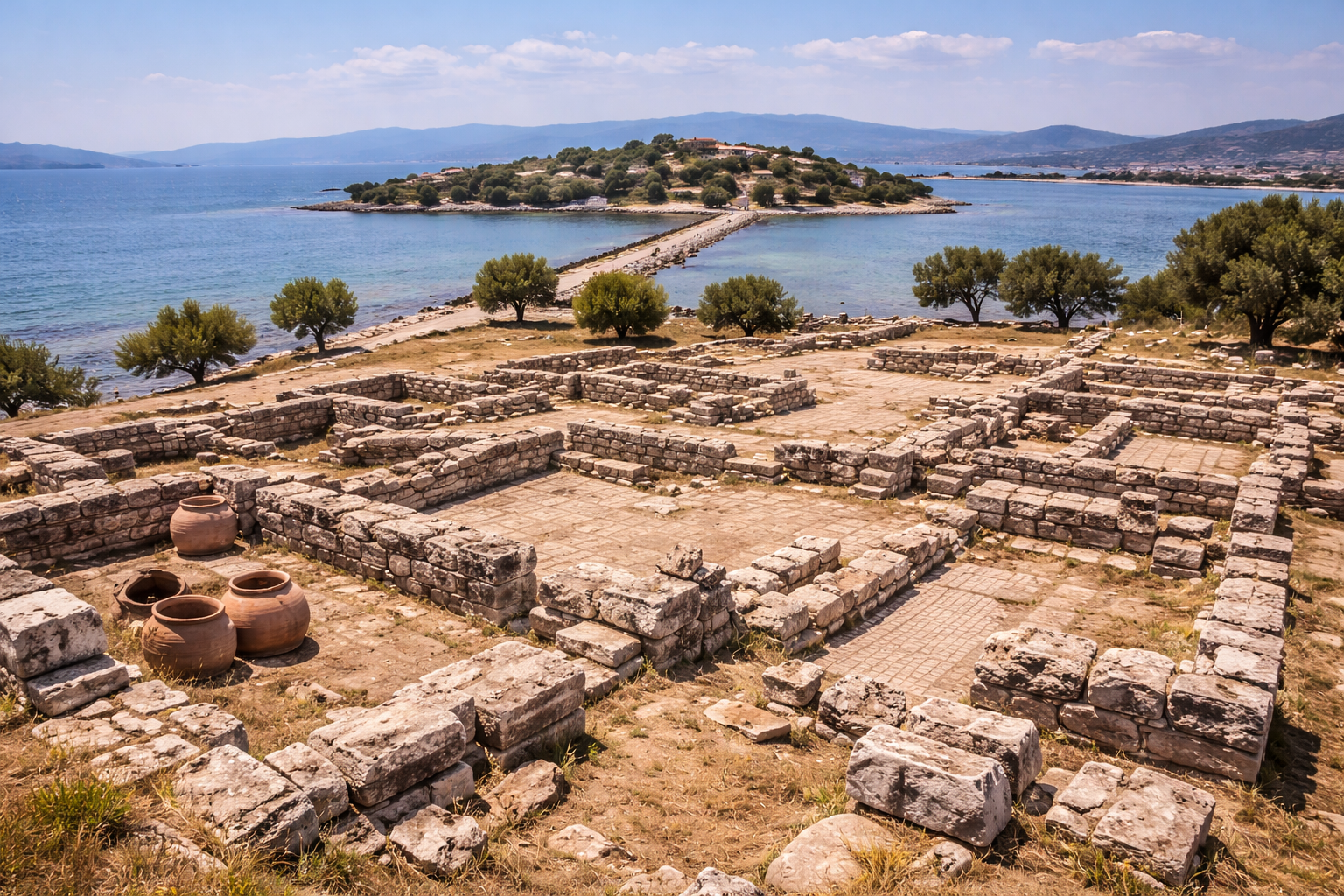
بجوار مركز الزوار، تتيح قرية العصر الحجري الحديث المُعاد بناؤها للزوار التجوّل عبر نماذج بالحجم الطبيعي للمنازل الطينية المكتشفة خلال التنقيب. تستند هذه النماذج مباشرةً إلى الأدلة الأثرية وتُظهر:
- تقنية البناء بالإطار الخشبي والجدران الطينية
- ترتيبات الموقد الداخلي ومناطق التخزين
- أنظمة السقف المنفصلة المميّزة لمساكن يشيلوفا
- الأدوات والمستلزمات في سياقها الطبيعي
يجعل هذا النهج الغامر يشيلوفا أحد أكثر المواقع ما قبل التاريخية ترحيبًا بالزوار في تركيا.
مشروع آلة الزمن الإزميرية
يشارك تلّ يشيلوفا أيضًا في مشروع آلة الزمن الإزميرية، وهو مبادرة رقمية تأخذ الزوار في رحلة ثلاثية الأبعاد عبر 8500 عام من تاريخ إزمير. باستخدام تقنيات الواقع الافتراضي والواقع المعزّز، يتيح المشروع للمستخدمين تجربة كيف كانت المستوطنة الحجرية في ذروتها، ممّا يُنشئ جسرًا بين السجلّ الأثري والفهم الشعبي.
أعمال التنقيب الأثري
الاكتشاف (2003)
اكتُشف تلّ يشيلوفا بالصدفة خلال أعمال بناء في منطقة بورنوفا. لاحظ العمّال طبقات تربة غير معتادة وشظايا فخار، ممّا دفعهم إلى إخطار متحف إزمير الأثري.
التنقيب المنهجي (2005 -- حتى الآن)
بدأت الحفريات الرسمية عام 2005 تحت رعاية مشتركة من متحف إزمير الأثري ووزارة الثقافة والسياحة في جمهورية تركيا وجامعة إيجه. يُدير أعمال التنقيب بشكل مستمر الأستاذ المشارك ظفر درين من قسم الآثار في جامعة إيجه.
يحظى المشروع بدعم من إطار تعاوني يضمّ:
- بلدية إزمير الكبرى
- بلدية بورنوفا
- كلية الآداب في جامعة إيجه
- وزارة الثقافة والسياحة في جمهورية تركيا
منهجية التنقيب
يعتمد الفريق تقنيات تنقيب طبقي حديثة مقرونة بـ:
- العوّامة المنهجية للبقايا النباتية
- التحليل الحيواني الأثري لعظام الحيوانات
- التحليل البتروغرافي لأقمشة الفخار
- دراسات تحديد مصدر الأوبسيديان لتحديد طرق التجارة
- التأريخ بالإضاءة للتأريخ المطلق
- التأريخ بالكربون المشعّ للمواد العضوية
- التحليل الصرفي الدقيق لعيّنات التربة
المنشورات الرئيسية
نُشرت أبحاث يشيلوفا في دوريات تركية ودولية، بما فيها مجلة الآثار في أكاديمية العلوم التركية (TUBAAR) ودورية هويوك. تناولت الدراسات موضوعات تتراوح بين تكنولوجيا أدوات العظام وتحليل العمارة وموقع الموقع ضمن شبكات التبادل الحجري في إيجه. نشر باحثو جامعة إيجه دراسات التأريخ بالإضاءة من يشيلوفا، ممّا يوفّر معايرات تاريخية مطلقة بالغة الأهمية لتسلسل العصر الحجري الحديث في غرب الأناضول.
الحياة اليومية في يشيلوفا الحجرية
استنادًا إلى الأدلة الأثرية، يمكننا إعادة رسم صورة للحياة اليومية لأقدم سكّان يشيلوفا:
السكن: عاشت العائلات في منازل طينية مستطيلة مبنيّة على أطر خشبية. كان لكلّ منزل موقده الخاص للطهي والدفء، ومناطق تخزين داخلية للحبوب وسائر المؤن. يبدو أن المنازل أُعيد بناؤها على نفس المخطّطات الأساسية مرّات متكرّرة، ممّا يشير إلى تعلّق وثيق بمواضع سكن بعينها. نظام بناء السقف المنفصل المحدَّد في يشيلوفا سمة معمارية مميّزة لا تُشاهَد عادةً في مواقع العصر الحجري الحديث في غرب الأناضول الأخرى.
إنتاج الغذاء: مارس المجتمع معيشة مختلطة تجمع بين الزراعة المبكّرة (الحبوب والبقوليات) وتربية الحيوانات (الأغنام والماعز والأبقار) مكمَّلةً بالصيد وصيد الأسماك وجمع النباتات البرية. جعل القرب من ساحل بحر إيجه الموارد البحرية في متناول اليد، وعظام الأسماك المكتشفة في الرواسب تؤكّد استغلال مياه الساحل.
الحرف اليدوية: أنتج السكّان الفخار للتخزين والطهي، ونسجوا المنسوجات (بدليل أثقال الأنوال وعجلات الغزل)، وصنعوا الأدوات من العظام والحجر، ودبغوا جلود الحيوانات للحصول على الجلد. تشير تطوّر مجموعة الأدوات العظمية إلى وجود حرفيين متخصّصين داخل المجتمع.
التجارة والتبادل: يثبت وجود الأوبسيديان — الزجاج البركاني غير المتوفّر محليًّا — أن سكّان يشيلوفا شاركوا في شبكات تبادل بعيدة المدى. تشمل مصادر الأوبسيديان المحتملة جزر بحر إيجه ورواسب وسط الأناضول بالقرب من كابادوكيا. يشير تنوّع أنواع الأوبسيديان المكتشفة في الموقع إلى طرق تجارة متعدّدة بدلًا من مصدر واحد.
الطقوس والمعتقدات: تشير تماثيل إلهة الأم والدفنات المرتّبة بعناية إلى أنظمة معتقد منظّمة مرتبطة بالخصوبة والموت ودورة الحياة. تربط هذه التماثيل يشيلوفا بتقليد الأناضول الحجري الحديث الأوسع لعبادة إلهة الأم الموثّق في تشاتال هويوك وهاجيلار وغيرها من المواقع.
تزيين الشخص: يدلّ قلم الكحل الحجري والمقتنيات الزينية المتنوّعة على أن المظهر الشخصي والتعبير الجمالي كانا مهمَّين لهذه المجتمعات المبكّرة. يتحدّى هذا الاهتمام بالمظهر الشخصي في تاريخ مبكّر كهذا الافتراضات السائدة حول توقيت بدء الممارسات التجميلية في المجتمعات البشرية.
إدارة المياه: يثبت اكتشاف قناة المياه بعرض 6.5 أمتار أن المجتمع امتلك القدرة التنظيمية والمعرفة الهندسية لبناء البنية التحتية الجماعية وصيانتها — وهو سمة من سمات التعقيد الاجتماعي كان يُعتقد سابقًا أنّها تظهر لاحقًا في تاريخ ما قبل التاريخ في غرب الأناضول.
معلومات الزيارة
الموقع: الحديقة الأثرية لتلّ يشيلوفا، بورنوفا، إزمير. يقع الموقع ضمن النسيج العمراني لبورنوفا ويمكن الوصول إليه بوسائل النقل العام.
كيفية الوصول:
- بالسيارة: نحو 10 كيلومترات شرق وسط إزمير، بالقرب من تقاطع بورنوفا
- بالنقل العام: مترو إزمير إلى محطة بورنوفا، ثمّ رحلة قصيرة بالتاكسي أو الحافلة
- إحداثيات GPS: نحو 38.46 شمالًا، 27.22 شرقًا
أفضل وقت للزيارة:
- الربيع (مارس--مايو) والخريف (سبتمبر--نوفمبر) يوفّران أكثر الأجواء راحةً
- زيارات الصيف ممكنة لكن قد تكون حارّة جدًّا؛ يُوصى بساعات الصباح
- يوفّر مركز الزوار مساحة داخلية مكيّفة على مدار العام
مدة الزيارة:
- زيارة سريعة (مركز الزوار فقط): 45--60 دقيقة
- زيارة معيارية (المركز + القرية الحجرية + منطقة التلّ): 1.5--2 ساعة
- زيارة معمّقة مع القراءة والتصوير: 2--3 ساعات
المرافق:
- مركز الزوار مع قاعات المعارض والعروض متعدّدة الوسائط
- منطقة إعادة بناء القرية الحجرية الحديثة
- ممرّات للمشاة حول منطقة التنقيب
- لوحات إعلامية باللغتين التركية والإنجليزية
- موقف سيارات قريب
- ممرّات مناسبة لزوي القدرة المحدودة على الحركة
نصائح للزوار:
- ابدأ بمركز الزوار لفهم تسلسل تاريخ الموقع قبل التجوّل في التلّ
- احضر الماء وواقي الشمس في أشهر الصيف
- إعادة بناء القرية الحجرية جذّابة بشكل خاص للأطفال
- تحقّق من ساعات العمل قبل الزيارة إذ قد تتغيّر موسميًّا
- التصوير مسموح به عمومًا في المناطق الخارجية
- اسأل عن الجولات الإرشادية التي يتوفّر بعضها للمجموعات أحيانًا
المعالم القريبة:
- متحف إزمير الأثري (وسط إزمير، نحو 10 كيلومترات)
- متحف إزمير للتاريخ والفنون (كولتور بارك)
- تلّ بيراقلي (إزمير القديمة، نحو 5 كيلومترات)
- متحف أغورا المفتوح (وسط إزمير)
- قلعة قديفه كاله (قلعة المخمل، وسط إزمير)
الأسئلة الشائعة
ما عمر تلّ يشيلوفا؟
تعود أقدم الطبقات إلى نحو 6500 قبل الميلاد، ممّا يجعل الموقع قديمًا بنحو 8,500 عام. استمرّ الاحتلال حتى نحو 4000 قبل الميلاد، مع نشاط روماني لاحق على السطح.
لماذا ظلّ تلّ يشيلوفا مخفيًّا طويلًا؟
دُفن الموقع تحت نحو 4 أمتار من الطمي الرسوبي الذي ترسّب من خلال الفيضانات الموسمية على مدى آلاف السنين. أخفت هذه العملية الطبيعية التلّ تحت ما أصبح أراضي زراعية ثمّ تطويرًا عمرانيًّا في بورنوفا.
ما أهمّ اكتشاف في يشيلوفا؟
لا يوجد اكتشاف واحد "أهمّ" من غيره، لكن الأهمية الإجمالية تكمن في إثبات أن إزمير كانت بها مستوطنات منظّمة خلال العصر الحجري الحديث. تشمل الاكتشافات البارزة فرديًّا قلم الكحل الحجري عمره 8200 عام، وتماثيل إلهة الأم، ونظام قناة المياه بعرض 6.5 أمتار، وحجر الأرقام، ومجموعة الأدوات العظمية الغنية.
هل التنقيب لا يزال جاريًا؟
نعم. تستمرّ أعمال التنقيب تحت إشراف الأستاذ المشارك ظفر درين، مع الإبلاغ باكتشافات جديدة بانتظام. لا يزال الموقع مشروع بحث نشط مع حملات تنقيب سنوية.
هل يمكنني زيارة خنادق التنقيب الفعلية؟
يمكن للزوار مشاهدة منطقة التنقيب من الممرّات ونقاط المشاهدة المخصّصة. قد لا تكون خنادق التنقيب النشطة متاحة دائمًا اعتمادًا على الموسم والأعمال الجارية. مركز الزوار والقرية الحجرية الحديثة متاحان دائمًا خلال ساعات العمل.
كيف يُقارَن يشيلوفا بتشاتال هويوك؟
كلاهما مستوطنتان من العصر الحجري الحديث في تركيا، لكنّهما تختلفان اختلافًا ملحوظًا. تشاتال هويوك (في محافظة قونية) مستوطنة أكبر بكثير ومكتظّة تشتهر برسوماتها الجدارية وأيقوناتها الثيرية. يشيلوفا أصغر لكنّه متموضع بصورة فريدة على ساحل بحر إيجه، ممّا يوفّر أدلّة على مجتمعات العصر الحجري الحديث البحرية في غرب الأناضول. يمثّلان تقاليد إقليمية مختلفة ضمن العصر الحجري الحديث الأناضولي الأوسع.
كم عدد القرى التي وُجدت في يشيلوفا؟
حدّد فريق التنقيب تسع مراحل استيطانية مستقلة (قرى) مكدّسة فوق بعضها البعض داخل التلّ، تمثّل كلٌّ منها مجتمعًا مختلفًا احتلّ الموقع على مدى نحو 2,500 عام.
القياسات المعمارية والبيانات الطبقية
يجمع الجدول التالي البيانات الأبعاد والطبقات الرئيسية من تلّ يشيلوفا استنادًا إلى تقارير التنقيب والدراسات المنشورة.
| المعامل | القياس / التفاصيل | ملاحظات |
|---|---|---|
| إجمالي مساحة المستوطنة | >70,000 م² | البصمة الأولى للمستوطنة الحجرية الحديثة |
| عمق الرواسب الثقافية | 3--3.5 م (حشو ثقافي)؛ 4--5 م تحت السطح الحديث | مدفون تحت طمي رسوبي |
| عدد المستويات الرئيسية | 4 (الأول: روماني؛ الثاني: العصر البرونزي؛ الثالث: عصر النحاس؛ الرابع: العصر الحجري الحديث) | المستوى الحجري مقسَّم إلى 8 مراحل فرعية |
| الطبقات المعمارية الفرعية | 15 محدَّدة | تمثّل كلٌّ منها حلقة إعادة بناء بعد دمار |
| عدد القرى المستقلة | 9 | مراحل استيطان متراصّة تمتد نحو 2,500 عام |
| المسافة عن الشاطئ الحالي | نحو 3 كيلومترات داخل البرّ | كان الشاطئ أقرب بكثير في العصر الحجري الحديث |
| قلم الكحل (أداة تجميل) | طول 9.4 سم | عمره 8200 عام؛ منحوت من الحجر |
| قناة المياه | عرض 6.5 م | عمرها 8200 عام؛ مبطّنة بحجارة، بناء سدّ ترابي |
| بناء المنزل الحجري الحديث | طوب طيني مستطيل على أطر خشبية | أنظمة سقف منفصلة؛ تختلف عن منازل تشاتال هويوك المتلاصقة |
تشير الطبقات المعمارية الفرعية الـ15 ضمن الحشو الثقافي البالغ 3--3.5 أمتار إلى فترة إعادة بناء متوسّطة تبلغ نحو 150--170 عامًا لكلّ طبقة عبر حقبتَي العصر الحجري الحديث وعصر النحاس. كانت كلّ حلقة دمار — سواء بسبب الحريق أو الفيضان أو الانهيار الهيكلي — تعقبها إعادة البناء على نفس المخطّط الأساسي في جوهره، ممّا يشير إلى ارتباط وثيق للمجتمع بالموقع المحدّد.
التأريخ المطلق: دراسات الإضاءة والكربون المشعّ
نشر باحثو جامعة إيجه دراسات تأريخ بالإضاءة لمعايرة التسلسل الزمني المطلق لتلّ يشيلوفا. تكمّل هذه التواريخ نتائج الكربون المشعّ من العيّنات العضوية.
| طريقة التأريخ | التطبيق في يشيلوفا | نشر بواسطة |
|---|---|---|
| الإضاءة المحفَّزة بصريًّا (OSL) | تطبّق على عيّنات الطوب الطيني المحترق والرواسب | جامعة إيجه (إكدال، قارالي، درين) |
| الكربون المشعّ (C-14) | تطبّق على عيّنات الفحم والبذور والعظام | فريق تنقيب جامعة إيجه |
| النسبي (تصنيف الفخار) | مرجَّع مع تسلسلات الفخار في غرب الأناضول | دورية هويوك، TUBAAR |
تحمل تواريخ الإضاءة أهمية خاصة لأنّها توفّر تحقّقًا مستقلًا من التسلسل الزمني للكربون المشعّ. في سياقات العصر الحجري الحديث في غرب الأناضول، حيث يمكن أن يكون الحفظ العضوي متغيّرًا، تعزّز وجود طريقتَي تأريخ مطلق مستقلّتَين الثقة في الإطار الزمني للموقع. تضع أقدم التواريخ المؤكَّدة الاحتلال الأوّلي في نحو 6500 قبل الميلاد، وهو ما يتّسق مع العصر الحجري الحديث المتأخّر لمنطقة إيجه الشرقية.
جرد الثقافة المادية
| فئة الأثر | الاكتشافات الرئيسية | الحقبة |
|---|---|---|
| الأدوات الحجرية | فؤوس مصقولة، مشارط، أحجار طحن، شفرات أوبسيديان | العصر الحجري الحديث |
| الأدوات العظمية | مثاقب، إبر، مكاشط، مكوكات نسيج، أمشاط سجاد، رؤوس سهام | العصر الحجري الحديث--عصر النحاس |
| الفخار | أوانٍ بسيطة مصنوعة يدويًّا تتطوّر إلى أشكال عصر النحاس المزخرفة | جميع الحقب |
| التماثيل | تمثال طيني لإلهة الأم (نحو 5000 عام) | عصر النحاس |
| أدوات التجميل | قلم كحل حجري (9.4 سم، نحو 8200 عام) | العصر الحجري الحديث |
| العدّ/التسجيل | حجر بعلامات عددية (نحو 8000 عام) | العصر الحجري الحديث |
| الختوم المطبوعة | تظهر على الفخار؛ تعليم مبكّر للملكية | عصر النحاس |
| الأوبسيديان | شفرات وشظايا؛ زجاج بركاني غير محلّي | العصر الحجري الحديث |
تحمل مكتشفات الأوبسيديان أهمية بالغة لإعادة بناء شبكات التبادل بعيدة المدى. تشمل مناطق المصدر المحتملة الحقول البركانية الكابادوكية في غولو داغ ونينيزي داغ وأجيغول في وسط الأناضول، فضلًا عن الجزيرة الكيكلادية ميلوس في بحر إيجه. يمكن أن يحدّد التحليل الكيميائي لمجموعة الأوبسيديان في يشيلوفا طرق التجارة التي ربطت هذه المستوطنة الساحلية بمجتمعات الداخل والجزر. يشير تنوّع أنواع الأوبسيديان المكتشفة في الموقع إلى طرق تجارة متعدّدة بدلًا من مصدر واحد، ممّا يدلّ على شبكة تبادل متطوّرة تعمل منذ 6500 قبل الميلاد.
منهجية التنقيب
| التقنية | التطبيق في يشيلوفا |
|---|---|
| التنقيب الطبقي | إزالة طبقة طبقة بالأسلوب الأثري القياسي |
| العوّامة المنهجية | استرداد البقايا النباتية (البذور وشظايا النباتات) |
| التحليل الحيواني الأثري | تحديد أنواع الحيوانات من مجموعة العظام |
| التحليل البتروغرافي | تحديد تركيبة قماش الفخار ومصادر الطين |
| تحديد مصدر الأوبسيديان | التحليل الكيميائي لتحديد أصل أدوات الأوبسيديان البركانية |
| التأريخ بالإضاءة | تأريخ OSL للطوب الطيني المحروق والرواسب |
| التأريخ بالكربون المشعّ | تأريخ C-14 للمواد العضوية (فحم، عظام، بذور) |
| التحليل الصرفي الدقيق | دراسة الشرائح الرقيقة لعيّنات التربة لسطوح النشاط ومراحل البناء |
السياق المقارن: مواقع العصر الحجري الحديث في غرب الأناضول
| الموقع | الموقع | التاريخ التقريبي | أبرز المقارنة مع يشيلوفا |
|---|---|---|---|
| تشاتال هويوك | قونية | نحو 7500--5700 قبل الميلاد | أكبر بكثير؛ منازل متلاصقة مقابل عمارة السقف المنفصل في يشيلوفا |
| هاجيلار | بوردور | نحو 7040--5000 قبل الميلاد | تماثيل إلهة الأم توازي أمثلة عصر النحاس في يشيلوفا |
| تلّ أولوجاك | إزمير | نحو 7000--5700 قبل الميلاد | أقرب موقع حجري مشابه ليشيلوفا؛ على بُعد 20 كيلومترًا |
| إيجه غوبره | إزمير | نحو 6600--5900 قبل الميلاد | العصر الحجري الحديث الساحلي في إزمير؛ تسلسل زمني متداخل |
| بيراقلي | إزمير | نحو 3000 قبل الميلاد فصاعدًا | العصر البرونزي؛ دفع يشيلوفا تاريخ استيطان إزمير 3,500 عام للوراء |
يميّز التقليد المعماري الفريد ليشيلوفا — المنازل المستطيلة المستقلة بأنظمة سقف منفصلة بدلًا من الهياكل المجمّعة المتلاصقة — عن مواقع العصر الحجري الحديث في وسط الأناضول كتشاتال هويوك. قد يعكس هذا الاستقلال المعماري تقليد بناء ساحلي غرب أناضولي متكيّف مع الظروف البيئية المحدّدة لسهل بورنوفا، حيث كانت الفيضانات الموسمية تُفضّل الهياكل التي يمكن إصلاحها أو إعادة بنائها بصورة فردية دون الإخلال بالمساكن المجاورة.
المصادر وقراءات إضافية
- درين، ظ. (سنوات متعدّدة). تقارير التنقيب عن تلّ يشيلوفا، جامعة إيجه.
- Wikipedia -- Yesilova Hoyuk
- مشروع يشيلوفا في جامعة إيجه -- الصفحة الرئيسية للبحث
- Arkeonews -- 8,000-year-old number stone found in Yesilova Mound
- Arkeonews -- 5,000-year-old Mother Goddess statuette
- Arkeonews -- 8,200-year-old eyeliner discovery
- TRT World -- Secrets of Yesilova: A society that worshipped the mother goddess
- The Archaeologist -- 8,200-year-old water channel at Yesilova
- Anatolian Archaeology -- Oldest water channel discovery
- ArchDaily -- Yesilova Hoyuk Visitor Center
- Hoyuk Journal -- Izmir-Yesilova Hoyuk and Coastal Aegean Architecture
- Ege University -- Luminescence Dating Studies of Yesilova Hoyuk
- مشروع يشيلوفا في جامعة إيجه -- صفحة المعلومات