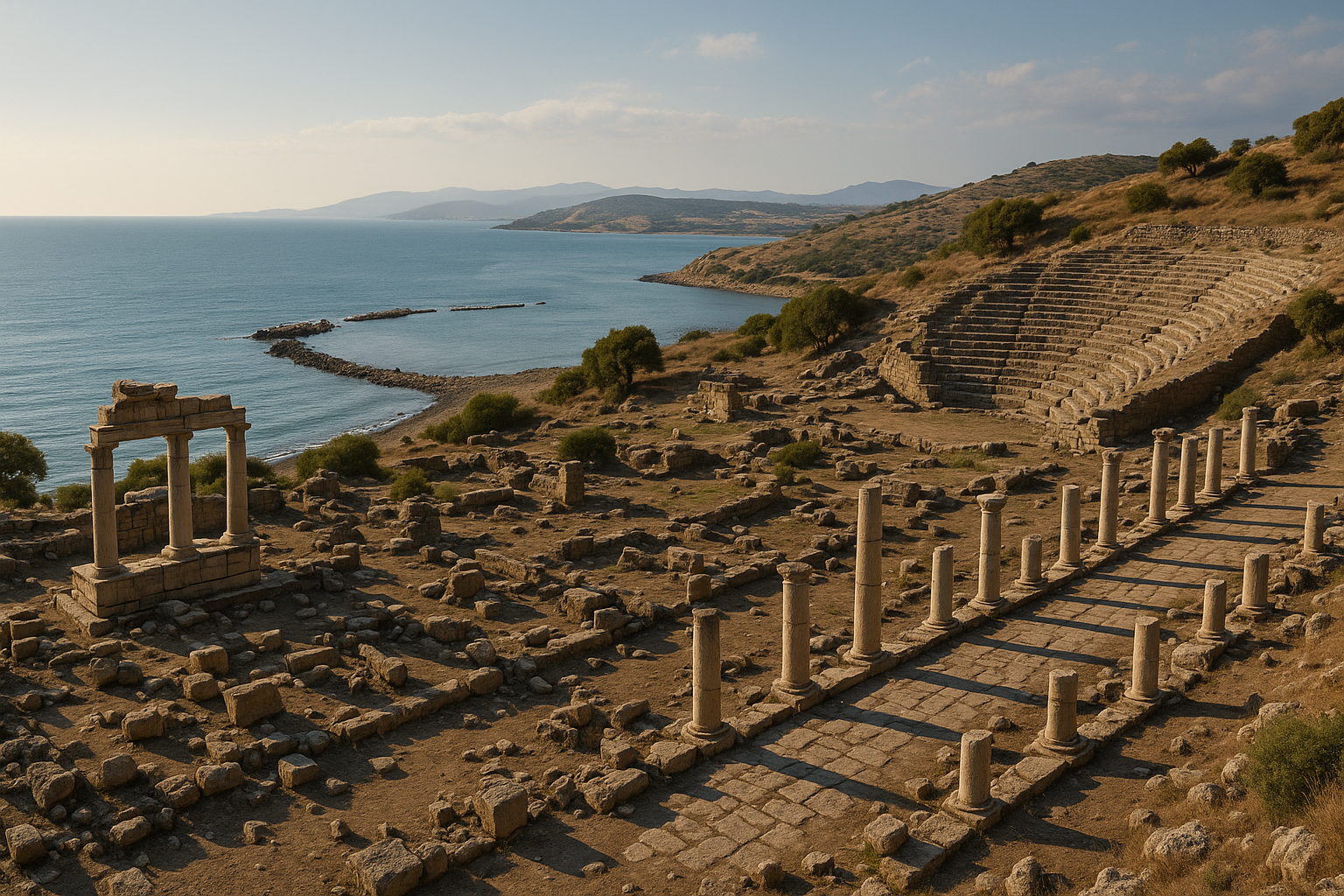
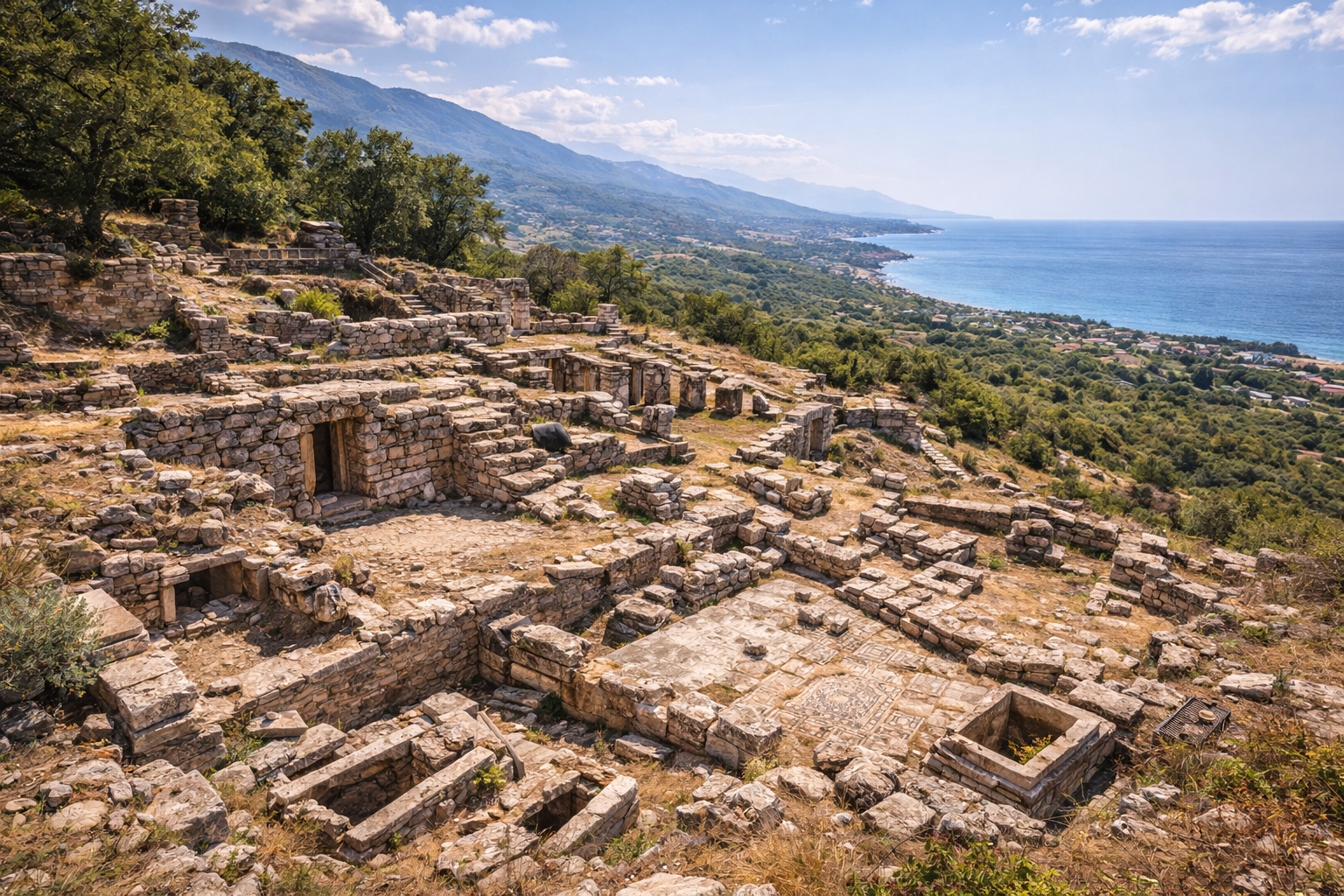
يُعدّ أسكليبيون برغامون أحد أشهر حُرم الشفاء في العالم اليوناني-الروماني القديم، مكرَّسًا لإله الصحة أسكليبيوس والإلهة هيجيا. يقع الحرم في وادٍ غنّاء تتدفّق منه الينابيع، على بُعد نحو 3 كم جنوب غرب أكروبوليس برغامون، قرب مدينة برغمة الحديثة في محافظة إزمير، وقد عمل لنحو تسعة قرون في آنٍ واحد بوصفه معبدًا دينيًا، ومستشفى علاجيًا، ومنتجعًا، ومركزًا للعلاج النفسي، وناديًا اجتماعيًا. وفي القرن الثاني الميلادي، أصبح موطن عمل جالينوس (129--216 م)، أكثر أطبّاء العصور القديمة تأثيرًا والطبيب الشخصي للإمبراطور ماركوس أوريليوس. إنّ أساليب العلاج المبتكرة في الأسكليبيون -- بما فيها علاج التحضين بالأحلام، والعلاج المائي، والعلاج بالموسيقى، والعلاج النفسي، والعروض المسرحية بوصفها أدوات شفاء -- تجعله علامة فارقة في تاريخ الطبّ. وبصفته جزءًا من موقع التراث العالمي لليونسكو "برغامون ومشهدها الثقافي متعدّد الطبقات" (مُسجَّل عام 2014)، يستقطب الأسكليبيون الزوّار المهتمّين بالتاريخ القديم وبأصول الممارسة الطبية الحديثة على حدّ سواء.
جدول المحتويات
- لماذا يُعدّ الأسكليبيون مهمًا
- الجغرافيا والإطار
- الجدول الزمني التاريخي
- أبرز المعالم والمنشآت
- أساليب الشفاء في الأسكليبيون
- جالينوس البرغامي
- العمل الأثري
- معلومات للزوّار
- الأسئلة الشائعة
- المصادر والقراءات الإضافية
لماذا يُعدّ الأسكليبيون مهمًا
-
مهد الطبّ الكُلّيّ: كان الأسكليبيون رائدًا في نهج شامل للشفاء جمع بين العلاجات البدنية (الاستحمام والأدوية العشبية والتمارين) والعلاجات النفسية والروحية (تفسير الأحلام والموسيقى والمسرح والعلاج بالإيحاء). إنّ هذا التكامل بين العقل والجسد في العلاج يسبق الطبّ النفسي-الجسدي الحديث بنحو ألفي عام. ويُوصف الحرم أحيانًا بأنّه أوّل مستشفى للأمراض النفسية في العالم.
-
مكان عمل جالينوس: بدأ جالينوس البرغامي (129--216 م)، الذي يُعدّ أهمّ طبيب في تاريخ الطبّ الغربي حتى عصر النهضة، مسيرته الطبّية في هذا الحرم. وقد عمل طبيبًا للمصارعين قبل انتقاله إلى روما. سيطرت كتابات جالينوس التشريحية ونظرياته الدوائية وفلسفته الطبية على الطبّ الأوروبي والإسلامي لأكثر من 1300 عام.
-
نفق الشفاء تحت الأرض: يُعدّ الكريبتوبورتيكوس (النفق المعقود تحت الأرض) بطول 70 مترًا، الذي يربط مبنى العلاج الدائري بالفناء المركزي، تحفةً من تحف العمارة العلاجية. كانت الفتحات المثقوبة على فترات منتظمة في سقف النفق تُدخل أعمدة من ضوء الشمس، في حين يخلق صوت المياه الجارية وهمسات الإيحاءات الطبية بيئة شفاء متعدّدة الحواس يعترف الباحثون الحديثون بأنّها شكل مبكر متطوّر من العلاج البيئي والعلاج بالإيحاء.
-
مكانة التراث العالمي لليونسكو: الأسكليبيون جزء من موقع "برغامون ومشهدها الثقافي متعدّد الطبقات" الأوسع، المُدرَج ضمن قائمة التراث العالمي لليونسكو عام 2014 (رقم 1457)، اعترافًا بقيمته العالمية الاستثنائية شاهدًا على العلم والعمارة والروحانية القديمة.
-
مجمّع معماري متكامل: على خلاف كثير من حُرم الشفاء القديمة التي لا تبقى منها سوى الأساسات، يحفظ الأسكليبيون مجموعة معمارية كاملة بشكل لافت: الفيا تكتا (الطريق المقدّس)، والبروبيلون، والفناء المحاط بالأروقة، والمسرح، ومباني العلاج، والمكتبة، والينبوع المقدّس، والنفق تحت الأرض، ومركز العلاج الدائري. والينبوع المقدّس الذي اجتذب العبّاد في الأصل إلى هذا الموقع لا يزال يتدفّق حتى اليوم.
-
الثاني فقط بعد إبيدوروس: في ترتيب الأسكليبيونات القديمة (حُرم الشفاء المكرَّسة لأسكليبيوس)، احتلّ برغامون المرتبة الثانية في الأهمية بعد إبيدوروس في اليونان الأمّ، الأسكليبيون الأصلي والأكثر مكانة. غير أنّه من حيث العمارة الباقية، فإنّ حرم برغامون محفوظ بصورة أفضل بكثير.
الجغرافيا والإطار
يحتلّ الأسكليبيون واديًا أخضر تغذّيه الينابيع عند سفح جبل جيكلي، على بعد نحو 3 كم جنوب غرب أكروبوليس برغامون الفخم. وقد اختير موقع الوادي عمدًا لخصائصه العلاجية: وفرة المياه العذبة من الينابيع الطبيعية، والهواء النقي الذي ينساب عبر الوادي، والظلّ من التلال المحيطة، والسكون البعيد عن ضوضاء المدينة.
المشهد العلاجي
يقع الحرم على ارتفاع أدنى من الأكروبوليس، ممّا يخلق نزولًا رمزيًا من القوّة السياسية والعسكرية للقلعة المرتفعة إلى الأجواء التأمّلية الشافية للوادي. كان المرضى القدماء يغادرون المركز الحضري المزدحم وينحدرون عبر الفيا تكتا (الطريق المقدّس المسقوف) ليدخلوا فضاءً مصمَّمًا للتعافي والتجدّد الروحي. وكان مجرّد المشي من المدينة إلى الحرم يُعدّ جزءًا من العملية العلاجية -- انتقال بدني ونفسي من المرض إلى الشفاء.
كان المشهد المحيط مزروعًا بالغابات المقدّسة والحدائق، تماشيًا مع المعتقد الطبّي القديم القائل إنّ الجمال الطبيعي والهواء النقي يُسهمان في الشفاء. واليوم، يظلّل الموقع جزئيًا بأشجار عتيقة وتحيط به أراضٍ زراعية، محتفظًا بشيء من أجوائه العلاجية القديمة.
السياق الإقليمي
تقع برغمة على بُعد نحو 100 كم شمال إزمير في وادي نهر باكيرتشاي (كايكوس القديم)، وهي منطقة زراعية خصبة تحتضن استيطانًا متواصلًا منذ ما قبل التاريخ. كانت المدينة مركزًا مهمًا منذ الفترة الهلنستية، حين كانت مملكة برغامون من أغنى دول البحر الأبيض المتوسط وأكثرها أهمية ثقافيًا.
الجدول الزمني التاريخي
فترة التأسيس (القرن الرابع ق.م)
تؤكّد الأدلّة الأثرية أنّ أوّل معبد لأسكليبيوس في برغامون أُسّس في القرن الرابع ق.م، بإلهام مرجَّح من الأسكليبيون العظيم في إبيدوروس باليونان الأمّ. وقد انتشرت عبادة أسكليبيوس -- الطبيب الإلهي، ابن أبولو -- بسرعة عبر العالم الإغريقي خلال هذه الفترة. وقد جعلت ينابيع برغامون الطبيعية ووديانها المحمية منها موقعًا مثاليًا لحرم شفاء.
ووفقًا للتقليد، نقل العبادة إلى برغامون رجل يُدعى أرخياس، كان قد شُفي في حرم إبيدوروس ورغب في تأسيس مؤسّسة مماثلة في مدينته الأمّ. وكان الينبوع المقدّس الذي لا يزال يتدفّق في الموقع المحور المركزي للعبادة الأولى.
التوسّع الهلنستي (القرنان الثالث والثاني ق.م)
نما الحرم بالتوازي مع صعود مملكة برغامون، التي أصبحت من أغنى الدول الهلنستية وأكثرها تقدّمًا ثقافيًا في عهد السلالة الأتالية. كان الملوك الأتاليون -- ولا سيما إيومينس الثاني (حكم 197--159 ق.م) -- رعاةً مشهورين للثقافة والطبّ والمعرفة. وقد استثمروا في البنية التحتية للحرم، فوسّعوا المنطقة المقدّسة وأسّسوا البرامج العلاجية التي ستجلب له لاحقًا شهرته العالمية.
خلال هذه الفترة، أسّست برغامون أيضًا مكتبتها الشهيرة التي نافست مكتبة الإسكندرية. وقد اجتذبت الأجواء الفكرية للمدينة الأطبّاء والعلماء والفلاسفة، ممّا خلق بيئة يمكن فيها للممارسة الطبية أن تزدهر إلى جانب البحث العلمي.
الفترة الرومانية المبكّرة (القرن الأوّل ق.م -- القرن الأوّل م)
في أعقاب توريث مملكة برغامون لروما عام 133 ق.م، استمرّ الأسكليبيون في التطوّر تحت الرعاية الرومانية. أصبحت مدينة برغامون عاصمة مقاطعة آسيا الرومانية، واجتذب حرم الشفاء فيها المرضى من أرجاء شرق المتوسط. ومن الزوّار المشهورين الخطيب أيليوس أريستيدس (117--181 م)، الذي ترك روايات تفصيلية عن علاجاته وتجاربه في الأحلام داخل الحرم في كتابه الخطب المقدّسة (هيرويي لوغوي).
العصر الذهبي في عهد هادريان (القرن الثاني م)
بلغ الأسكليبيون ذروته في عهد الإمبراطور هادريان (117--138 م) وفترة الأنطونينيّين اللاحقة. وقد بُني المجمّع المعماري الضخم المرئيّ اليوم في الغالب خلال هذه الحقبة، بما في ذلك:
- الفيا تكتا (الطريق المقدّس المسقوف، بطول 820 مترًا)
- البروبيلون الضخم (البوّابة)
- الفناء المستطيل المحاط بـأروقة كورنثية وأيونية
- المسرح (بسعة 3500 متفرّج تقريبًا)
- مبنى العلاج الدائري (يُسمّى أحيانًا معبد تلسفوروس)
- النفق تحت الأرض بطول 70 مترًا (الكريبتوبورتيكوس)
- المكتبة وقاعة الاستقبال الإمبراطورية
- أحواض الاستحمام التي يغذّيها الينبوع المقدّس
كانت هذه أيضًا الفترة التي مارس فيها جالينوس (129--216 م) الطبّ في الحرم، وأرسى سمعته قبل انتقاله إلى روما.
العصور القديمة المتأخّرة والانحدار (القرن الثالث -- الخامس م)
استمرّ الحرم في العمل حتى القرن الثالث الميلادي غير أنّه تراجع تدريجيًا مع دخول الإمبراطورية الرومانية في أزمة. وقد أوقف صعود المسيحية وحظر العبادات الوثنية الشافية في عهد الأباطرة اللاحقين الأنشطة العلاجية للأسكليبيون. وفُكّك المجمّع جزئيًا وأُعيد استخدام أحجاره في إنشاءات لاحقة. ومع ذلك، بقي مفهوم حُرم الشفاء حيًّا في صورة المستشفيات والمآوي المسيحية، التي بُني بعضها عمدًا قرب مواقع الأسكليبيونات السابقة.
أبرز المعالم والمنشآت
الفيا تكتا (الطريق المقدّس)
كان الوصول إلى الأسكليبيون يجري عبر الفيا تكتا، وهو طريق مقدّس بطول 820 مترًا يبدأ في المدينة السفلى من برغامون، ويمتدّ إلى جانب مسرح المدينة، ويؤدّي مباشرة إلى مدخل الحرم. كان القسم الأخير رواقًا معمَّدًا مسقوفًا (المعنى الحرفي لـ"الفيا تكتا" هو "الطريق المسقوف")، فيخلق فضاءً انتقاليًا بين العالم الحضري وحرم الشفاء.
كان المشي على الفيا تكتا في حدّ ذاته يُعدّ جزءًا من العملية العلاجية. فقد كان المرضى يخوضون انتقالًا نفسيًا تدريجيًا وهم يغادرون صخب المدينة ويدخلون المقترب الهادئ المظلَّل للحرم. وقد كانت الأقسام المعمَّدة توفّر الظلّ في الصيف والمأوى من المطر في الشتاء.
البروبيلون الضخم (البوّابة)
في نهاية الفيا تكتا، كان المرضى يدخلون الحرم عبر بروبيلون فخم (بوّابة ضخمة). وبعبورهم البروبيلون، كانوا يتركون رمزيًا همومهم الدنيوية ويدخلون فضاءً يحكمه الطبيب الإلهي أسكليبيوس. وقد صُمّمت فخامة البروبيلون المعمارية لتُلهم الرهبة وترسّخ الطابع المقدّس للمكان.
الفناء المركزي والأروقة
كان البروبيلون يفتح على فناء مستطيل كبير محاط من ثلاث جهات بـأروقة معمَّدة كورنثية وأيونية أنيقة (ممرّات مسقوفة). كانت هذه الأروقة تخدم كمتنزّهات مظلَّلة يستطيع المرضى فيها المشي والاختلاط والتأمّل في علاجهم. وعلى امتداد الأروقة كانت توجد غرف للاستشارات العلاجية والطعام والاسترخاء. أمّا الجهة الرابعة فكانت تنفتح نحو مباني العلاج والينبوع المقدّس.
المسرح
في الزاوية الشمالية الغربية من الفناء، كان يقع مسرح نصف دائري بسعة نحو 3500 متفرّج. ولم يكن المسرح مجرّد ترفيه -- بل كانت العروض المسرحية والحفلات الموسيقية والقراءات الشعرية تُوصف بوصفها أنشطة علاجية جزءًا لا يتجزّأ من عملية الشفاء. كان الأطبّاء القدماء يعتقدون أنّ التطهير العاطفي الذي يتحقّق عبر الدراما والكوميديا يملك قوّة شفاء حقيقية -- وهو مفهوم يصادق عليه العلاج النفسي الحديث.
ويُعدّ مسرح الأسكليبيون من أفضل المسارح الرومانية المحفوظة في غرب تركيا، ولا يزال يُستخدم للفعاليات الثقافية والحفلات الموسيقية خلال مهرجان برغمة السنوي.
المكتبة
في الجانب الشمالي الشرقي من الفناء، كانت توفّر مكتبة وقاعة استقبال إمبراطورية التحفيز الفكري للمرضى. وكانت القراءة والنقاش الفلسفي يُعدّان مكمّلَين للشفاء البدني والروحي. وقد استمرّ تقليد المعرفة في برغامون -- الذي أرساه الملوك الأتاليون ومكتبتهم الشهيرة -- في الأسكليبيون.
الينبوع المقدّس وأحواض الاستحمام
في وسط الفناء، كانت الأحواض التي يغذّيها الينبوع المقدّس للحرم توفّر المياه للتطهير الطقسي والاستحمام العلاجي. كان يُعتقد أنّ ماء الينبوع يملك خصائص شفاء إلهية باركها أسكليبيوس بنفسه. وكان المرضى يستحمّون في هذه الأحواض كجزء من نظامهم العلاجي. كما كانت المياه تُوجَّه إلى النفق تحت الأرض وعبر المجمّع كلّه. ومن اللافت أنّ الينبوع المقدّس لا يزال يتدفّق حتى اليوم، موفّرًا صلة ملموسة بممارسات الشفاء القديمة.
مبنى العلاج الدائري (معبد تلسفوروس)
يُعدّ واحدًا من أكثر المنشآت تميّزًا معماريًا في العالم القديم، إذ يعود مبنى العلاج الدائري إلى القرن الثاني الميلادي ويتميّز بـمخطّط مستدير مع ستّ حنيات محيطية في الطابق الأرضي. سُمّي على اسم تلسفوروس، الإله الطفل للنقاهة المرتبط بأسكليبيوس، وقد استُخدم بوصفه مركز العلاج الرئيسي.
كان الطابق الأرضي يحتوي على غرف علاج فردية في الحنيات حيث يخضع المرضى لعلاجات متنوّعة. وقد يكون الطابق العلوي قد استُخدم لـالتحضين بالأحلام -- وهي ممارسة النوم في الحرم على أمل تلقّي رؤية شافية من أسكليبيوس في الأحلام. وقد تكون للشكل الدائري أيضًا خصائص صوتية عزّزت الاستخدام العلاجي للموسيقى والكلام.
النفق تحت الأرض (الكريبتوبورتيكوس)
لعلّ الكريبتوبورتيكوس بطول 70 مترًا هو السمة الأبرز للأسكليبيون. هذا النفق المعقود تحت الأرض كان يربط مبنى العلاج الدائري بأحواض الاستحمام في الفناء المركزي. وقد كان تصميمه علاجيًا عمدًا:
- فتحات مثقوبة على فترات منتظمة في سقف النفق كانت تُدخل أعمدة محكومة من ضوء الشمس، فتخلق لعبة درامية من الضوء والظلّ
- صوت المياه المتدفّقة كان يتردّد عبر النفق من قنوات تجري بمحاذاته
- الأطبّاء المتمركزون على طول النفق كانوا يستطيعون التحدّث إلى المرضى عبر الفضاء المضخَّم صوتيًا، فيُلقون إيحاءات علاجية أثناء مشي المرضى أو راحتهم
- أحواض استحمام فردية كانت مبنية في تجاويف على جدران النفق
- مقصورات للنوم على الجوانب كانت تتيح للمرضى الراحة في ظلمة موحية
تمثّل هذه البيئة متعدّدة الحواس -- التي تجمع بين الضوء والصوت والماء والصوت البشري -- واحدًا من أكثر التصاميم المعمارية العلاجية تطوّرًا في العالم القديم، تستبق المفاهيم الحديثة لـالعلاج البيئي، وعلاج الحرمان الحسّي، والإيحاء الموجَّه.
أساليب الشفاء في الأسكليبيون
استخدم الحرم مجموعة متنوّعة على نحو لافت من المقاربات العلاجية التي يُمكن للطبّ الحديث أن يتعرّف فيها على عناصر بدنية ونفسية واجتماعية مجتمعة:
التحضين بالأحلام (إنكويميسيس)
ممارسة الشفاء المركزية. كان المرضى ينامون داخل الحرم -- في الغالب في مبنى العلاج الدائري أو تجاويفه -- آملين أن يظهر الإله أسكليبيوس في أحلامهم ويصف لهم العلاج. وعند الاستيقاظ، كانوا يصفون حلمهم للكهنة/الأطبّاء، الذين يفسّرونه ويصمّمون العلاج وفقًا له. ويرى الباحثون الحديثون في ذلك شكلًا مبكرًا من العلاج النفسي، يجمع بين تأثير الدواء الوهمي، والاسترخاء العميق، والإيحاء الشافي الموجَّه. وتقدّم الروايات التفصيلية للأحلام التي تركها مرضى مثل أيليوس أريستيدس بصيرة استثنائية في هذه الممارسة.
العلاج المائي
الاستحمام في الينبوع المقدّس والأحواض، مقترنًا بعلاجات بالماء الساخن والبارد. وقد عالج الاستخدام العلاجي للماء العلل البدنية والضغط النفسي على حدّ سواء. وقد يكون المحتوى المعدني لماء الينبوع قد وفّر فائدة علاجية حقيقية.
العلاج بالموسيقى
كانت العروض الموسيقية والغناء تُوصف لحالات متنوّعة. وقد وفّر المسرح والفضاءات الصوتية المغلقة للمجمّع أماكن مثالية للعلاج الموسيقي. وقد فهم الأطبّاء القدماء أنّ الموسيقى يمكن أن تغيّر المزاج، وتُقلّل القلق، وتعزّز الاسترخاء.
العلاج المسرحي
كان حضور الكوميديا والدراما في المسرح يُعدّ علاجيًا. وهذا يُعدّ واحدًا من أقدم الاستخدامات الموثَّقة لـالعلاج بالفنّ. وقد طُبّق مفهوم التطهير عند أرسطو -- التنقية العاطفية عبر تجربة المأساة -- عمليًا في الأسكليبيون.
التمارين والنظام الغذائي
كانت التدريبات البدنية في الفناء والأنظمة الغذائية تُوصف كجزء من خطط علاجية شاملة. وقد كان جالينوس نفسه مناصرًا قويًا للنظام الغذائي والتمارين بوصفهما مكوّنين أساسيين للحفاظ على الصحة.
الطبّ العشبي
شكّلت العلاجات النباتية المُعدّة من الموارد النباتية المحلية مكوّنًا دوائيًا للعلاج. وقد استمدّت كتابات جالينوس الدوائية الواسعة من التقاليد العشبية المُمارَسة في برغامون.
العلاج النفسي والإيحاء
استخدم الأطبّاء الإيحاء اللفظي، خاصّةً في النفق تحت الأرض المصمَّم صوتيًا. وقد خلقت البيئة الحسّية المحكومة للنفق ظروفًا مشابهة لـالعلاج بالتنويم الحديث -- إذ تلقّى المرضى في حالة استرخاء قابلة للإيحاء رسائل علاجية من أطبّاء غير مرئيّين. ويمثّل هذا واحدًا من أقدم الأشكال الموثَّقة للعلاج النفسي البيئي.
النذور
كان المرضى الذين يتعافون يُهدون أجزاء جسد صغيرة من الفخّار تمثّل ما شُفي -- أذرع وأرجل وأعين وآذان وأعضاء داخلية. كانت هذه النذور تُقدَّم شكرًا لأسكليبيوس وإعلانًا عن قوّة الحرم الشافية في آنٍ معًا. وتوفّر الاكتشافات الأثرية لمئات هذه النذور دليلًا مباشرًا على أنواع العلل التي عُولجت.
جالينوس البرغامي
وُلد جالينوس (129--216 م) في برغامون لأب معماري ثريّ يُدعى نيكون، الذي حرص على أن يتلقّى ابنه أفضل تعليم. تجعل صلة جالينوس بالأسكليبيون ومسيرته اللاحقة منه واحدًا من أهمّ الشخصيات في تاريخ الطبّ.
التعليم والمسيرة المبكّرة
درس جالينوس الطبّ في سميرنا (إزمير)، وكورنث، والإسكندرية (مصر) -- المراكز الطبية الكبرى الثلاثة في العالم الروماني. عاد إلى برغامون في سنّ الثامنة والعشرين وعُيّن طبيبًا للمصارعين في الحلبة المحلّية. وقد منحه هذا المنصب خبرة عملية لا مثيل لها في جراحة الإصابات وعلاج الجروح والتشريح. وتُفيد التقارير بأنّ معدّل بقاء مرضاه من المصارعين كان استثنائيًا.
في الأسكليبيون
مارس جالينوس الطبّ ودرّس في الأسكليبيون، حيث طوّر فلسفته الطبية الكُلّية. وقد دعا إلى دمج البحث الفلسفي بالملاحظة السريرية -- نهج مستوحى من جمع الحرم نفسه بين أساليب الشفاء الروحية والبدنية. وقد شكّلت خبرته السريرية في برغامون أساس مسيرته اللاحقة.
روما وطبيب الإمبراطور
بعد ترسيخ سمعته في برغامون، انتقل جالينوس إلى روما نحو عام 162 م، حيث اشتُهر بسرعة بمهارته الطبية. وعُيّن طبيبًا شخصيًا للإمبراطور ماركوس أوريليوس وخدم لاحقًا الأباطرة كومودوس وسبتيموس سيفيروس.
الإرث
سيطرت كتابات جالينوس في التشريح والفيزيولوجيا وعلم الأدوية على الطبّ الغربي والإسلامي لأكثر من 1300 عام، حتى بدأت اكتشافات أندرياس فيزاليوس التشريحية في القرن السادس عشر تتحدّى سلطته. كتب أكثر من 600 رسالة في الطبّ والفلسفة والنحو، بقي منها نحو 350. وظلّ نظامه المتمثّل في الأخلاط الأربعة (الدم، البلغم، الصفراء الصفراء، السوداء) أساس النظرية الطبية طوال العصور الوسطى.
العمل الأثري
الحفريات الألمانية المبكّرة
بدأ التحقيق الأثري في أسكليبيون برغامون خلال الحملات الألمانية الأوسع للحفريات في برغامون في أواخر القرن التاسع عشر وأوائل القرن العشرين. وقد أجرى المعهد الأثري الألماني (DAI) المسوحات الأولية التي حدّدت موقع الحرم وتخطيطه العام. وتُعدّ الحفريات الألمانية في برغامون، التي بدأت تحت إشراف كارل هومان عام 1878، من أهمّ الحملات الأثرية في تاريخ علم الآثار الكلاسيكي.
الحفريات التركية-الألمانية المنهجية
تعاونت الفرق التركية والألمانية في حملات حفر واسعة طوال القرن العشرين. وقد تركّزت الحملات الرئيسية على كشف الفيا تكتا، والبروبيلون، وأروقة الفناء، والمسرح، ومبنى العلاج الدائري، والنفق تحت الأرض. وقد ثبّت العمل في الحفظ المنشآت المكشوفة وجعل الموقع متاحًا للزوّار.
الاكتشافات الرئيسية
- الخطّة المعمارية الكاملة لحرم الشفاء، من الفيا تكتا إلى مركز العلاج
- أجزاء جسد نذرية من الفخّار (أذرع وأرجل وأعين وأعضاء) أهداها المرضى الذين شُفوا -- وتُقدّم دليلًا مباشرًا على العلل المُعالَجة
- نقوش توثّق العلاجات والإهداءات وأنظمة الحرم
- شظايا معمارية من الأروقة الكورنثية والأيونية
- دليل على نظام إدارة المياه الذي زوّد الينبوع المقدّس والأحواض والنفق
- أدوات طبية وأوعية صيدلانية
- عملات نقدية واكتشافات صغيرة تُضيء الحياة اليومية في الحرم
التسجيل في اليونسكو (2014)
في عام 2014، سُجّل الأسكليبيون بوصفه جزءًا من موقع "برغامون ومشهدها الثقافي متعدّد الطبقات" للتراث العالمي لليونسكو (رقم 1457)، اعترافًا بالأهمية المشتركة للأكروبوليس والمدينة الوسطى والسفلى والأسكليبيون والمشهد المحيط.
معلومات للزوّار
كيفية الوصول
يقع الأسكليبيون في الضواحي الجنوبية الغربية لـبرغمة، على بعد نحو 100 كم شمال إزمير. من إزمير، اسلك طريق إزمير-تشاناكالي السريع (E87/O-2) شمالًا واخرج عند برغمة. الأسكليبيون مُؤشَّر إليه من وسط المدينة ويبعد نحو 3 كم عن أكروبوليس برغامون. تستغرق القيادة من إزمير نحو ساعة ونصف.
- من مطار إزمير: نحو 110 كم، 1.5--2 ساعة بالسيارة
- من تشاناكالي: نحو 200 كم جنوبًا، 2.5--3 ساعات بالسيارة
- بالحافلة: تربط حافلات النقل بين المدن المنتظمة إزمير بمحطّة الحافلات (الأوتوغار) في برغمة. ويمكن استخدام النقل المحلّي أو سيارة الأجرة من الأوتوغار إلى الأسكليبيون.
أفضل وقت للزيارة
يقدّم الربيع (أبريل--مايو) والخريف (سبتمبر--أكتوبر) أكثر الظروف راحةً. ويوفّر موقع الوادي بعض الظلّ ودرجات حرارة أبرد مقارنة بالأكروبوليس المكشوف، غير أنّ الصيف قد يظلّ حارًا جدًا (35+ مئوية). والزيارات الشتوية ممكنة في مناخ برغمة الإيجي المعتدل، ويستقبل الموقع زوّارًا أقلّ بكثير، ممّا يُتيح تجربة تأمّلية.
المدّة
خصّص 1.5 إلى 2.5 ساعة لزيارة شاملة للأسكليبيون. وإذا جمعتها مع أكروبوليس برغامون (مُوصى به بشدّة)، فخطّط لـيوم كامل في برغمة. يمكن الوصول إلى الأكروبوليس بـالتلفريك من وسط المدينة، ممّا يجعل من المريح زيارة الموقعين دون قيادة طويلة.
ماذا تحضر معك
- حذاء مشي مريح (الموقع مسطّح في معظمه داخل مجمّع الحرم، ممّا يجعله أكثر إتاحة من الأكروبوليس الشديد الانحدار)
- وقاية من الشمس وماء (ضروريّان في الصيف)
- مصباح يدوي أو ضوء هاتف لاستكشاف النفق تحت الأرض -- الداخل مظلم والأجواء موحية حقًّا بتجربة الشفاء القديمة
- كاميرا -- البقايا المعمارية صالحة للتصوير ويوفّر النفق فرص إضاءة درامية
الجمع مع مواقع أخرى
ينبغي الجمع بين زيارة الأسكليبيون والمواقع التالية على الأمثل:
- أكروبوليس برغامون (3 كم، يمكن الوصول إليه بالتلفريك): القلعة الفخمة على قمّة التلّ مع مسرحها (واحد من أكثر المسارح انحدارًا في العالم القديم)، والمعابد، وأساس المكتبة، ومنصّة المذبح. خصّص لها 2--3 ساعات.
- متحف برغامون الأثري في برغمة: يضمّ كثيرًا من اكتشافات الحفريات بما فيها الشظايا المعمارية والنقوش والاكتشافات الصغيرة.
- البازيليكا الحمراء (كزل أوْلو): مجمّع معبد ضخم من الحقبة الرومانية (كان مكرَّسًا في الأصل لسيرابيس وإيزيس) في وسط برغمة، حُوِّل لاحقًا إلى كنيسة مسيحية. واحد من أكثر المنشآت الرومانية إثارة للإعجاب في تركيا.
- ملاحظة: الإفريز الشهير لـمذبح برغامون (مذبح زيوس الكبير) موجود في متحف برغامون في برلين بألمانيا.
معلومات التذاكر
- تذاكر دخول منفصلة مطلوبة للأسكليبيون ولأكروبوليس برغامون.
- بطاقة المتاحف التركية (Museum Pass Türkiye) مقبولة في الموقعين وتُقدّم قيمة ممتازة.
- يتطلّب التلفريك إلى الأكروبوليس تذكرة منفصلة.
إمكانية الوصول
الحرم في معظمه على أرض مسطّحة وأكثر إتاحة بكثير من أكروبوليس برغامون الشديد الانحدار. أمّا النفق تحت الأرض فيتطلّب المشي عبر ممرّ منخفض ومعقود وهو غير ملائم للكراسي المتحرّكة. وتوضّح لوحات المعلومات على طول مسار المشي المنشآت ووظائفها بالتركية والإنجليزية.
الأسئلة الشائعة
من هو جالينوس ولماذا يرتبط بهذا الموقع؟
جالينوس البرغامي (129--216 م) وُلد في برغامون وبدأ مسيرته الطبية في الأسكليبيون، حيث عمل طبيبًا للمصارعين في سنّ الثامنة والعشرين. تدرّب في سميرنا وكورنث والإسكندرية قبل عودته إلى برغامون. وانتقل لاحقًا إلى روما، حيث أصبح الطبيب الشخصي للإمبراطور ماركوس أوريليوس. سيطرت كتابات جالينوس على الطبّ الغربي والإسلامي لأكثر من 1300 عام. وقد تشكّل نهجه الكُلّي في الشفاء بخبرته في الأسكليبيون.
ما هو علاج التحضين بالأحلام؟
كان التحضين بالأحلام (إنكويميسيس) ممارسة شفاء مركزية في الأسكليبيونات القديمة. كان المرضى ينامون داخل الحرم آملين أن يظهر أسكليبيوس في أحلامهم ويكشف لهم علاج علّتهم. وعند الاستيقاظ، كانوا يصفون حلمهم للكهنة/الأطبّاء، الذين يفسّرونه ويصفون العلاج. وقد جمعت الممارسة بين تأثير الدواء الوهمي والاسترخاء العميق والإيحاء الموجَّه في إطار مقدّس. وقد ترك الخطيب أيليوس أريستيدس روايات تفصيلية عن تجاربه في الأحلام في هذا الحرم.
كيف يعمل النفق تحت الأرض كفضاء علاجي؟
صُمّم الكريبتوبورتيكوس بطول 70 مترًا بوصفه بيئة علاجية متعدّدة الحواس. اختبر المرضى: أعمدة محكومة من ضوء الشمس عبر فتحات السقف؛ وصوت المياه الجارية المضخَّم؛ وإيحاءات مهموسة من الأطبّاء الذين كانت أصواتهم تنتقل عبر الخصائص الصوتية للنفق. وكانت أحواض الاستحمام الفردية ومقصورات النوم على طول الجدران تتيح للمرضى الراحة في هذه الأجواء الموحية. وقد عمل النفق بمثابة غرفة قديمة للحرمان الحسّي والعلاج بالإيحاء.
هل الأسكليبيون جزء من موقع للتراث العالمي لليونسكو؟
نعم. منذ عام 2014، أصبح الأسكليبيون جزءًا من موقع "برغامون ومشهدها الثقافي متعدّد الطبقات" للتراث العالمي لليونسكو (رقم 1457).
هل يمكنني زيارة الأكروبوليس والأسكليبيون في يوم واحد؟
نعم، وهذا مُوصى به بقوّة. يُكمّل أكروبوليس برغامون (الذي يُوصل إليه بالتلفريك) والأسكليبيون (على مستوى الوادي) أحدهما الآخر بشكل مثالي. ويقضي معظم الزوّار نحو 2--3 ساعات في الأكروبوليس و1.5--2.5 ساعة في الأسكليبيون.
هل لا يزال الينبوع المقدّس يتدفّق؟
نعم. الينبوع المقدّس الذي جذب العبّاد في الأصل إلى هذا المكان لا يزال يتدفّق حتى اليوم. ويُقدّم صلة ملموسة بممارسات الشفاء القديمة والخصائص العلاجية الطبيعية التي جعلت هذا الوادي موقعًا مثاليًا لحرم شفاء.
ما هي أجزاء الجسد الفخّارية التي وُجدت في الموقع؟
استرجعت الحفريات الأثرية نماذج صغيرة من الفخّار لأجزاء الجسد -- أذرعًا وأرجلًا وأعينًا وآذانًا وأعضاء داخلية -- قُدّمت كـنذور من قِبل المرضى الذين شُفوا. ربّما كان المريض الذي شُفي من مرض في العين يهدي عينًا من الفخّار؛ ومن شُفي من إصابة في الساق يقدّم نموذجًا لساق. تُقدّم هذه القطع دليلًا مباشرًا على أنواع العلل التي عُولجت في الحرم.
هل الأسكليبيون أوّل مستشفى في العالم؟
مع أنّه ليس مستشفى بالمعنى الحديث، يُوصف الأسكليبيون كثيرًا بأنّه أحد أقدم مراكز الشفاء المنظَّمة في العالم، ويُسمّى أحيانًا أوّل مستشفى للأمراض النفسية في العالم بفضل استخدامه الرائد لعلاج الأحلام والعلاج بالموسيقى والعلاج بالإيحاء والتصميم البيئي لأغراض الشفاء. وعلى خلاف المستشفيات الحديثة، كان العلاج مندمجًا في إطار ديني متمحور حول عبادة أسكليبيوس.
القياسات المعمارية وبيانات مراحل البناء
أنتجت حفريات المعهد الأثري الألماني (DAI) والحملات التركية-الألمانية التعاونية اللاحقة توثيقًا معماريًا دقيقًا لمجمّع الأسكليبيون. وقد جُمعت مراحل البناء المحدَّدة الثماني عشرة للحرم في خمس مراحل رئيسية لأغراض التحليل.
مجمّع الحرم: الأبعاد المقاسة
| المنشأة | الأبعاد | التاريخ | ملاحظات |
|---|---|---|---|
| الفناء المركزي | 110 x 130 مترًا | القرن الثاني الميلادي (هادرياني) | منطقة مستطيلة محاطة بأروقة من ثلاث جهات |
| الفيا تكتا (الطول الإجمالي) | 820 مترًا | القرن الثاني الميلادي | طريق مقدّس من المدينة السفلى إلى مدخل الحرم |
| الفيا تكتا (القسم المعمَّد المنقَّب) | 140 مترًا طولًا، أكثر من 18 مترًا عرضًا | القرن الثاني الميلادي | المقترب الأخير المنقَّب بالكامل مع أعمدة على الجانبَين |
| المسرح | 71 مترًا بالقطر الكلّي | نحو 130--140 م (هادرياني) | 30 صفًا إجماليًا: 15 صفًا في الكافيا السفلى + 15 صفًا في الكافيا العليا |
| أوركسترا المسرح | 15.67 مترًا بالقطر | نحو 130--140 م | مرصوفة برخام متعدّد الألوان |
| تقسيمات مقاعد المسرح | 5 كوني (قطاعات) في كلّ قسم | نحو 130--140 م | مفصولة بسلالم؛ السعة المقدَّرة نحو 3500 |
| الكريبتوبورتيكوس (النفق تحت الأرض) | 70 مترًا طولًا | القرن الثاني الميلادي | ممرّ معقود تحت الأرض بفتحات سقفية |
| مبنى العلاج الدائري (معبد تلسفوروس) | 26.5 مترًا بالقطر | القرن الثاني الميلادي | روتوندا من طابقَين مع 6 حنيات محيطية في الطابق الأرضي |
| معبد زيوس-أسكليبيوس | 23.85 مترًا بقطر القبة | منتصف القرن الثاني الميلادي | قبّة آجريّة مصمَّمة على غرار البانثيون في روما |
معبد زيوس-أسكليبيوس: البانثيون البرغامي
يستحقّ معبد زيوس-أسكليبيوس اهتمامًا خاصًا بوصفه واحدًا من أكثر المشاريع المعمارية طموحًا في آسيا الصغرى الرومانية. وقد مُوِّل من قِبل القنصل الروماني لوكيوس كوسبيوس باكتومييوس روفينوس، وصُمّم المعبد عمدًا بوصفه نسخة مصغَّرة من البانثيون في روما:
| الميزة | معبد برغامون | بانثيون روما | النسبة |
|---|---|---|---|
| قطر القبة | 23.85 مترًا | 43.3 مترًا | 1 : 1.82 |
| مواد البناء | قبّة آجريّة | قبّة خرسانية | تقنية مختلفة، شكل مشابه |
| الأوكولوس | موجود (عين سقفية مفتوحة) | موجود | اقتباس معماري مباشر |
| المخطّط الداخلي | دائري مع حنايا | دائري مع حنايا | تصغير متناسب |
يُظهر بناء نسخة من البانثيون في برغامون كلًّا من الثروة الهائلة لرعاة المدينة في الحقبة الرومانية والطموح الثقافي لجلب أيقونة عمارة روما الأشهر إلى الشرق الإغريقي. وقد وُثّقت رعاية روفينوس بنقش، وتمثّل واحدة من أكبر الهبات الإنشائية الفردية المعروفة من آسيا الصغرى الرومانية.
المسرح: التحليل الصوتي والإنشائي
يجعل اندماج مسرح الأسكليبيون في برنامج الشفاء منه فريدًا معماريًا بين المسارح الرومانية. على خلاف أماكن الترفيه القياسية، صُمّم هذا المسرح مع اعتبار الوظيفة العلاجية أولوية رئيسية:
| الميزة | التفصيل |
|---|---|
| التوجيه | الزاوية الشمالية الغربية من الفناء؛ يتّجه الجمهور جنوبًا شرقًا نحو الحرم |
| بناء الكافيا | مبنيّة جزئيًا في سفح التلّ، مدعومة جزئيًا ببنى تحتية بنّائية |
| مواد المقاعد | الأنديزيت المحلّي والرخام |
| رصف الأوركسترا | رخام متعدّد الألوان (أوبوس سكتيلي) |
| الاستخدام الحديث | لا يزال يُستخدم للفعاليات الثقافية خلال مهرجان برغمة السنوي |
| الجودة الصوتية | استثنائية -- يُسمع الكلام من الأوركسترا في الصفوف العليا دون تضخيم |
الاكتشافات الأثرية: فهرس الثقافة المادية
أسفرت حفريات الأسكليبيون عن تجمُّع مادّي متنوّع موزّع الآن بين متحف برغمة الأثري ومتحف برغامون في برلين.
| فئة الاكتشاف | أمثلة | الكمّية / الأهمية |
|---|---|---|
| أجزاء جسد نذرية من الفخّار | أذرع، أرجل، أعين، آذان، أعضاء داخلية | استُرجعت المئات؛ دليل مباشر على العلل المُعالَجة |
| النحت | تمثال أسكليبيوس، رؤوس بورتريهات، ألواح بارزة | أمثلة متعدّدة من الفترتَين الهلنستية والرومانية |
| النقوش | سجلات علاج، نصوص إهداء، أنظمة الحرم | عشرات من النصوص الإغريقية واللاتينية التي توثّق عمليات الحرم |
| الأدوات الطبية | أدوات جراحية برونزية، أوعية صيدلانية | دليل على إجراءات طبية عملية إلى جانب الشفاء الطقسي |
| العملات | إصدارات مدنية برغامية تُظهر أسكليبيوس وهيجيا وأفعى | توثيق عملاتي لأيقونوغرافيا عبادة الشفاء |
| الفخّاريات | أوانٍ مائدة دقيقة، أوعية تخزين، أوعية عطور (أونغوينتاريا) | كميات كبيرة من جميع مراحل الإشغال |
| شظايا معمارية | تيجان كورنثية وأيونية، كتل أفاريز، أسطوانات أعمدة | من الأروقة والبروبيلون والمنشآت المعبدية |
تكتسب أجزاء الجسد النذرية الفخّارية أهمية طبية-تاريخية خاصة. ويقدّم التحليل الإحصائي للنذور صورة وبائية تقريبية لجمهور المرضى: تظهر علل العين وإصابات الأطراف والشكاوى البطنية بأعلى تواتر، بما يتّسق مع عبء الأمراض الشائع في عالم البحر الأبيض المتوسط القديم.
تسلسل الحفريات الزمني: السجلّ المؤسّسي
| الفترة | المؤسّسة / المدير | الأنشطة الرئيسية |
|---|---|---|
| من 1878 فصاعدًا | كارل هومان / المعهد الأثري الألماني (DAI) | التحديد الأوّلي للأسكليبيون خلال حفريات برغامون الأوسع |
| أواخر القرن 19 -- أوائل القرن 20 | فرق مسح DAI | مسح التخطيط العام؛ تأكيد الموقع |
| 1920--1930 | حملات DAI المنهجية | الكشف عن الفيا تكتا والبروبيلون وأروقة الفناء؛ توثيق أوّلي لمباني العلاج |
| 1950--1970 | حملات تركية-ألمانية تعاونية | حفر المسرح ومبنى العلاج الدائري والكريبتوبورتيكوس؛ حفظ المنشآت المكشوفة |
| 1980--2000 | DAI + وزارة الثقافة التركية | حفر وحفظ مستمرّان؛ توثيق نظام إدارة المياه؛ تطوير البنية التحتية للزوّار |
| 2014 | اليونسكو | مُسجَّل بوصفه جزءًا من "برغامون ومشهدها الثقافي متعدّد الطبقات" (رقم 1457) |
| 2020s | DAI + فرق تركية مستمرّة | الخرائط الرقمية (خريطة برغامون الرقمية 2)؛ مشروع الخرائط العميقة؛ مسح جيوفيزيائي للمناطق غير المنقّبة |
أنتج مشروع الخرائط العميقة للحُرم، مبادرة حديثة في الإنسانيات الرقمية، نماذج مكانية تفاعلية لمجمّع الأسكليبيون، تُتيح للباحثين تحليل خطوط الرؤية وأنماط الحركة والخصائص الصوتية داخل الحرم -- ممّا يوفّر بصائر جديدة حول كيفية تشكيل العمارة لتجربة المريض.
المصادر والقراءات الإضافية
- اليونسكو -- برغامون ومشهدها الثقافي متعدّد الطبقات
- المتاحف التركية -- موقع أسكليبيون برغمة الأثري بإزمير
- أخبار الآثار التركية -- أسكليبيون برغامون
- ويكيبيديا -- أسكليبيون برغامون
- مشروع مدائن -- الأسكليبيون في برغامون
- Via Hygeia -- مركز الشفاء أسكليبيون برغامون
- الأصول القديمة -- مركز الشفاء الغامض أسكليبيون
- One Nation Travel -- أسكليبيون برغامون: حرم شفاء جالينوس
- Explore Galen -- معبد شفاء
- ويكيبيديا -- برغامون
- المتاحف التركية -- تاريخ الطبّ: مدينة برغامون القديمة