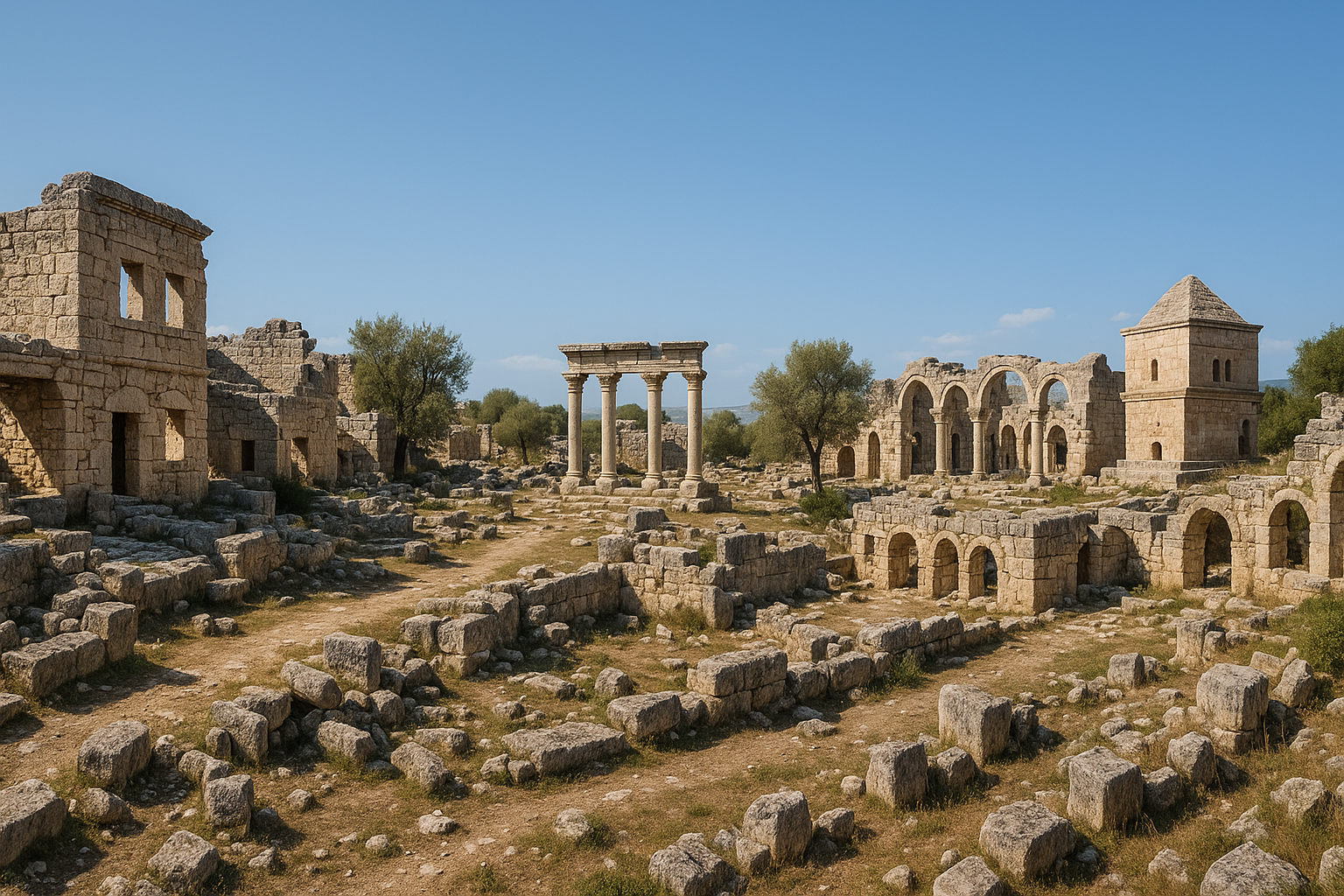
Przegląd: Kompleks pielgrzymkowy Świętej Tekli (Aya Tekla / Meryemlik) w pobliżu Silifke w prowincji Mersin jest jednym z najważniejszych wczesnochrześcijańskich miejsc pielgrzymkowych we wschodniej części Morza Śródziemnego. Zlokalizowany na wzgórzu około 4 km na południe od Silifke, kompleks koncentruje się wokół świętej groty, w której — według tradycji — mieszkała, głosiła nauki i czyniła cuda Święta Tekla — uważana za pierwszą kobietę-męczennicę i najwybitniejszą kobietę-świętą wczesnego chrześcijaństwa. Obiekt zachowuje pozostałości monumentalnej bazyliki z kopułą wzniesionej z polecenia cesarza Zenona Izauryjskiego (panował 474–491 n.e.), kościoła w grocie wykutego w wapiennej jaskini, rozległych zabudowań klasztornych, cystern i łaźni. Przez stulecia pielgrzymi z całego chrześcijańskiego świata przybywali, aby oddać cześć Tekli na tym odległym cylicyjskim wzgórzu, czyniąc z niego jedno z wielkich centrów kultowych późnej starożytności — obok Jerozolimy, Rzymu i Efezu.
Spis treści
- Dlaczego Aya Thecla jest ważna
- Geografia i położenie
- Oś czasu historycznego
- Kim była Święta Tekla?
- Dzieje Pawła i Tekli
- Kościół w grocie
- Bazylika cesarza Zenona
- Kompleks klasztorny
- Pielgrzymki i kult
- Cuda Tekli
- Egeria i starożytni pielgrzymi
- Architektura i sztuka
- Cysterny i infrastruktura
- Tekla we wczesnym chrześcijaństwie
- Bizantyjskie Silifke i Seleucia
- Upadek i opuszczenie
- Badania archeologiczne
- Jak odwiedzić Aya Thecla
- FAQ
- Źródła
Dlaczego Aya Thecla jest ważna
Kompleks pielgrzymkowy Tekli jest znaczący z kilku powodów:
- Jedno z największych wczesnochrześcijańskich miejsc pielgrzymkowych: Wymieniane obok Jerozolimy, Rzymu i Efezu jako główny cel pielgrzymek wczesnochrześcijańskich
- Tradycja pierwszej kobiety-męczennicy: Święta Tekla była czczona jako pierwsza kobieta-męczennica i protomęczennica wśród kobiet — fundamentalna postać w hagiografii chrześcijańskiej
- Patronat cesarski: Cesarz Zenon Izauryjski wzniósł tu monumentalną bazylikę z kopułą — jeden z najważniejszych kościołów V wieku w Azji Mniejszej
- Kościół w grocie: Grota, w której podobno mieszkała Tekla, jest jednym z najwcześniej udokumentowanych chrześcijańskich miejsc kultu w Anatolii
- Infrastruktura pielgrzymkowa: Obiekt zachowuje rozbudowaną infrastrukturę pielgrzymkową — bazylikę, kościół w grocie, klasztor, łaźnie, cysterny — dostarczając rzadkich dowodów na to, jak funkcjonowały starożytne pielgrzymki
- Dzieje Pawła i Tekli: Jeden z najpopularniejszych tekstów wczesnego chrześcijaństwa, Dzieje głęboko wpłynęły na rozwój kobiecego monastycyzmu i ascetyzmu
- Dziedzictwo izauryjskie: Obiekt łączy się z tradycją kulturową Izaurii (Cylicji Górzystej) — cesarz Zenon sam był Izauryjczykiem
Geografia i położenie
Aya Thecla zajmuje wzgórze z widokiem na starożytne miasto Seleucia nad Kalykadem (współczesne Silifke).
Lokalizacja:
- Wieś Meriamlik (Meryemlik), około 4 km na południe od Silifke, prowincja Mersin
- Na wapiennym wzgórzu z widokiem na dolinę rzeki Göksu (Kalykadnos)
- Około 80 km na zachód od centrum Mersin
- W pobliżu wybrzeża starożytnej Cylicji Górzystej (Cilicia Tracheia)
- Wysokość: około 250 metrów n.p.m.
Krajobraz:
- Skaliste wapienne wzgórze z roślinością śródziemnomorską
- Widoki na dolinę Göksu i góry Cylicji Górzystej
- W oddali widoczna równina przybrzeżna i Morze Śródziemne
- Zbocze wzgórza porosłe sosnami i zaroślami
- Teren jest spokojny i stosunkowo odosobniony — odpowiedni dla swojego monastycznego charakteru
Oś czasu historycznego
| Okres | Data | Kluczowe wydarzenia |
|---|---|---|
| I wiek n.e. | ok. 50–70 | Tradycyjna data życia Tekli i jej związku ze Świętym Pawłem |
| II wiek | ok. 150–180 | Powstanie Dziejów Pawła i Tekli |
| III–IV wiek | lata 200–300 | Rozwój kultu Tekli; grota staje się miejscem pielgrzymkowym |
| IV wiek | ok. 312 wzwyż | Budowa kościoła nad grotą/w grocie; wzrost pielgrzymek |
| Koniec IV wieku | ok. 380 | Egeria (pielgrzymka) odwiedza i opisuje obiekt |
| V wiek | lata 460–470 | Cesarz Zenon wznosi monumentalną bazylikę |
| V wiek | ok. 470–480 | Powstanie Żywota i Cudów Tekli |
| VI–VII wiek | 500–650 | Kontynuacja pielgrzymek; klasztor działa |
| Najazdy arabskie | VII–VIII wiek | Upadek wskutek wojen na pograniczu arabsko-bizantyjskim |
| Średniowiecze | IX–XIV wiek | Ograniczone osadnictwo; Cylicja Ormiańska |
| Czasy nowożytne | XIX–XX wiek | Dokumentacja archeologiczna |
Kim była Święta Tekla?
Święta Tekla (Thekla/Tekla) jest jedną z najważniejszych kobiet-świętych wczesnego chrześcijaństwa.
Tradycyjna biografia:
- Według Dziejów Pawła i Tekli (tekst z II wieku) Tekla była młodą kobietą z Ikonium (współczesne Konya), która słuchała kazań Świętego Pawła
- Tak poruszyło ją jego przesłanie o czystości i zmartwychwstaniu, że zerwała zaręczyny i oddała się naśladowaniu Pawła
- Jej narzeczony i rodzina donieśli na nią; została skazana na śmierć przez ogień, a następnie przez dzikie zwierzęta, lecz cudownie ocalała w obu przypadkach
- Podróżowała do Antiochii, a następnie do Seleuci (Silifke), gdzie żyła jako pustelnica w grocie i czyniła uzdrowienia i cuda
- Była czczona jako pierwsza kobieta-męczennica (protomęczennica wśród kobiet) — choć technicznie rzecz biorąc przeżyła swoje próby
- Jej święto obchodzone jest 24 września (zachód) lub 24 września / 7 października (wschód)
Ocena historyczna:
- Współcześni uczeni dyskutują, czy Tekla była postacią historyczną, czy literacką kreacją
- Dzieje Pawła i Tekli są przez uczonych uważane za fikcję narracyjną, choć tekst może zachowywać wspomnienia o rzeczywistej wczesnochrześcijańskiej kobiecie
- Niezależnie od historyczności, kult Tekli miał ogromny wpływ na kształtowanie wczesnochrześcijańskich postaw wobec kobiet, dziewictwa i ascetyzmu
Dzieje Pawła i Tekli
Dzieje Pawła i Tekli to jeden z najpopularniejszych i najbardziej wpływowych tekstów wczesnego chrześcijaństwa.
Tekst:
- Napisany w II wieku n.e. (ok. 150–180), prawdopodobnie w Azji Mniejszej
- Część obszerniejszego dzieła zwanego Dziejami Pawła
- Opowiada historię nawrócenia Tekli, jej prób (skazanie na ogień i dzikie zwierzęta), jej cudów oraz życia jako pustelniczki w Seleuci
- Napisany żywym, powieściowym stylem — jeden z najwcześniejszych chrześcijańskich „romansów"
Wpływ:
- Dzieje były niezwykle popularne — przetłumaczono je na łacinę, syryjski, koptyjski, ormiański i inne języki
- Tekla stała się wzorem kobiecego ascetyzmu — jej historia inspirowała kolejne pokolenia chrześcijańskich kobiet do przyjmowania dziewictwa i życia zakonnego
- Tekst był kontrowersyjny — niektórzy hierarchowie kościelni kwestionowali jego autentyczność i implikacje dla autorytetu kobiet w kościele
- Tertulian (ok. 200 n.e.) zaatakował Dzieje, twierdząc, że są sfałszowane i nie powinny służyć jako uzasadnienie dla kobiet udzielających chrztu lub nauczających
Znaczenie dla miejsca pielgrzymkowego:
- Dzieje ustanowiły Seleucie (Silifke) jako miejsce ostatniego schronienia Tekli
- Grota w Meriamlik została utożsamiona z jej pustelnią
- Popularność Dziejów napędzała pielgrzymki do tego miejsca przez stulecia
Kościół w grocie
Kościół w grocie jest duchowym sercem kompleksu Tekli — grotą, w której według tradycji Tekla żyła i umarła.
Opis:
- Naturalna wapienną grota na wzgórzu, zaadaptowana do użytku jako kościół
- Grotę powiększono i ukształtowano, tworząc przestrzeń liturgiczną
- We wschodniej części wykuto apsydę
- Ściany otynkowano i prawdopodobnie ozdobiono freskami
- Kościół w grocie poprzedza bazylikę na wzgórzu — nabożeństwa w grocie mogły rozpocząć się już w III wieku
Tradycja:
- Według legendy Tekla mieszkała w tej grocie podczas ostatnich lat w Seleuci
- Podobno czyniła uzdrowienia i cuda z wnętrza groty
- Po jej śmierci (lub cudownym zniknięciu — relacje są różne) grota stała się sanktuarium
- Przed legalizacją chrześcijaństwa przez Konstantyna (312 n.e.) grota była prawdopodobnie tajnym miejscem kultu
Dowody archeologiczne:
- Grota nosi ślady rozległych przeróbek na potrzeby kultu
- Znaleziono wotywne inskrypcje i graffiti pielgrzymów
- Kościół w grocie był użytkowany nawet po zbudowaniu bazyliki na wzgórzu — stanowił najświętszą przestrzeń całego obiektu
Bazylika cesarza Zenona
Monumentalna bazylika na wzgórzu została wzniesiona przez cesarza Zenona Izauryjskiego (panował 474–491 n.e.) — jeden z najważniejszych kościołów V wieku w Anatolii.
Cesarz:
- Zenon urodził się w Izaurii (Cylicja Górzysta) — regionie, w którym leży Meriamlik
- Był pierwszym cesarzem z tego regionu, a jego patronat nad lokalnymi kościołami odzwierciedlał jego izauryjską tożsamość i dumę
- Budowa bazyliki Tekli była zarówno aktem religijnym, jak i politycznym oświadczeniem łączącym władzę cesarską z lokalną tradycją religijną
Bazylika:
- Duża bazylika z kopułą — jeden z najwcześniejszych centralnoplanowych kościołów z kopułą w Anatolii
- Plan architektoniczny: centralna kopuła wsparta na łukach i filarach, z nawami bocznymi i apsydą
- Wzniesiona z miejscowego wapienia z precyzyjnymi detalami architektonicznymi
- Mozaikowe posadzki i marmurowe zdobienia
- Bazylika mogła pomieścić setki pielgrzymów
Stan obecny:
- Zachowały się znaczące ruiny — ściany, filary, apsyda i fragmenty architektoniczne
- Kopuła zawalała się, jednak plan budowli jest wyraźnie czytelny
- Bazylika jest najbardziej imponującym wizualnie zabytkiem na terenie obiektu
Kompleks klasztorny
Miejsce pielgrzymkowe Tekli obejmowało rozległy klasztor i infrastrukturę pielgrzymkową.
Elementy:
- Zabudowania klasztorne otaczające bazylikę i kościół w grocie
- Cele dla mnichów lub mniszek
- Hospicjum dla pielgrzymów (xenodocheion) dla przybyszów
- Łaźnie do rytualnego oczyszczania i praktycznej higieny
- Cysterny do przechowywania wody (niezbędne na suchym wzgórzu)
- Refektarz (jadalnia) dla wspólnoty monastycznej i pielgrzymów
- Ogrody i obszary uprawne na potrzeby wspólnoty
Znaczenie:
- Infrastruktura klasztorna pokazuje, jak było zorganizowane i zarządzane główne miejsce pielgrzymkowe
- Połączenie kościoła w grocie (przestrzeń sakralna), bazyliki (publiczny kult) i klasztoru (wspólnota religijna) jest typowe dla wielkich późnoantycznych miejsc pielgrzymkowych
- Skala kompleksu wskazuje, że znaczna liczba pielgrzymów odwiedzała go regularnie
Pielgrzymki i kult
Kult Tekli w Meriamlik był jedną z najważniejszych tradycji pielgrzymkowych w późnoantycznym chrześcijaństwie.
Pielgrzymka:
- Pielgrzymi przybywali z całego wschodniego Morza Śródziemnego — z Azji Mniejszej, Syrii, Egiptu, Konstantynopola i dalszych krajów
- Podróż na wzgórze obejmowała wspinaczkę z Seleuci wzdłuż procesjonalnej drogi
- Na szczycie pielgrzymi odwiedzali kościół w grocie (najświętszą przestrzeń), modlili się w bazylice i szukali uzdrowienia
- Dni świąteczne przyciągały wielkie tłumy — główną uroczystością było święto Świętej Tekli (24 września)
Kult uzdrowicielski:
- Tekla była szczególnie czczona jako uzdrowicielka
- Pielgrzymi przybywali szukając lekarstwa na choroby, bezpłodność i inne dolegliwości
- Żywot i Cuda Tekli (ok. 470–480 n.e.) zapisuje liczne cuda uzdrowień przypisywane świętej
- W grocie pozostawiano dary wotywne w podziękowaniu za uzdrowienia
Porównanie:
- Pielgrzymka do Tekli jest porównywalna z innymi wielkimi późnoantycznymi centrami kultowymi:
- Grób Święty w Jerozolimie — najwyższe miejsce pielgrzymkowe chrześcijaństwa
- Bazylika Świętego Piotra w Rzymie — apostolskie sanktuarium
- Bazylika Świętego Jana w Efezie — inne główne anatolijskie miejsce pielgrzymkowe
- Abu Mena w Egipcie — kult uzdrowicielski Świętego Menasa
- Obiekt Tekli należał do najczęściej odwiedzanych miejsc pielgrzymkowych w Azji Mniejszej
Cuda Tekli
Żywot i Cuda Tekli (skomponowany ok. 470–480 n.e., prawdopodobnie w Meriamlik) zapisuje cuda przypisywane Tekli w sanktuarium.
Tekst:
- Napisany przez anonimowego autora ściśle związanego z sanktuarium
- Rejestruje dziesiątki opowieści o cudach — uzdrowieniach, ocaleniach i boskich interwencjach
- Cuda dotyczą ludzi ze wszystkich warstw społecznych — żołnierzy, kupców, matek, mnichów
- Tekst zapewnia żywy obraz codziennego życia w miejscu pielgrzymkowym
Przykłady:
- Uzdrowienie kobiety cierpiącej na chroniczną chorobę po przespanej nocy w grocie (inkubacja)
- Ocalenie marynarzy od rozbicia okrętu po modlitwie do Tekli
- Tekla ukazująca się we snach, by prowadzić i pocieszać chorych
- Ochrona miasta Seleucia przed atakiem militarnym
Egeria i starożytni pielgrzymi
Obiekt jest wspomniany przez Egerię — jedną z najwcześniej znanych chrześcijańskich pielgrzymek, które zostawiły pisemną relację.
Egeria (ok. 380 n.e.):
- Kobieta (prawdopodobnie mniszka) z zachodniej Europy (Hispania lub Galia), która odbyła rozległe podróże po Ziemi Świętej i Azji Mniejszej
- Jej dziennik podróży (Itinerarium Egeriae) jest jednym z najważniejszych dokumentów dla zrozumienia wczesnochrześcijańskich pielgrzymek
- Egeria odwiedziła sanktuarium Tekli w Meriamlik i opisała je w swoim dzienniku
- Odnotowała obecność kościoła przy grocie, klasztoru oraz wspólnoty mnichów i dziewic (ascetycznych kobiet)
- Jej relacja potwierdza, że obiekt był już głównym miejscem pielgrzymkowym pod koniec IV wieku
Architektura i sztuka
Kompleks Tekli prezentuje kilka godnych uwagi elementów architektonicznych i artystycznych.
Bazylika Zenona:
- Jeden z najwcześniejszych centralnoplanowych kościołów z kopułą w Anatolii
- Wpłynęła na rozwój architektury kościołów bizantyjskich
- Architektoniczne paralele z kościołami w Konstantynopolu, Efezie i Syrii
Kościół w grocie:
- Unikalna adaptacja naturalnej groty do chrześcijańskiego kultu
- Połączenie naturalnej jaskini i skonstruowanej przestrzeni liturgicznej występuje w innych wczesnochrześcijańskich miejscach (np. Grób Święty w Jerozolimie, Grota Narodzenia w Betlejem)
Mozaiki i dekoracje:
- Zachowały się fragmenty mozaikowej posadzki
- Bazylika i kościół w grocie były prawdopodobnie bogato ozdobione freskami, marmurem i wyposażeniem liturgicznym
- Rzeźbione elementy architektoniczne — kapitele kolumn, gzymsy i obramowania drzwi — świadczą o wysokiej jakości wykonawstwa
Cysterny i infrastruktura
Kompleks pielgrzymkowy wymagał rozbudowanej infrastruktury, aby obsługiwać pielgrzymów i wspólnotę monastyczną.
Cysterny:
- Kilka cystern wykutych w skale do przechowywania wody
- Niezbędne na suchym wapiennym wzgórzu pozbawionym naturalnego źródła
- Cysterny zbierały wodę deszczową do picia, gotowania, kąpieli i użytku rytualnego
- Niektóre cysterny są imponująco duże — świadectwo oczekiwanej liczby odwiedzających
Łaźnie:
- Budynki łaźni dla pielgrzymów — rytualne oczyszczanie i praktyczna higiena
- Obecność łaźni świadczy o wysublimowaniu infrastruktury pielgrzymkowej
Drogi i ścieżki:
- Procesjonalna droga łączyła kompleks na wzgórzu z miastem Seleucia poniżej
- Pielgrzymi wspinali się tą drogą jako część swojej dewocyjnej podróży
Tekla we wczesnym chrześcijaństwie
Święta Tekla była jedną z najważniejszych postaci we wczesnochrześcijańskiej tradycji.
Znaczenie:
- Czczona jako protomęczennica wśród kobiet — żeński odpowiednik Szczepana (pierwszego mężczyzny-męczennika)
- Jej historia była używana zarówno jako argument za, jak i przeciw roli kobiet w kościele
- Stała się patronką kobiecego monastycyzmu — klasztory i kościoły były jej poświęcone na całym świecie chrześcijańskim
- Kult Tekli był szczególnie silny w Egipcie, Syrii, Azji Mniejszej i na Zachodzie
- Jest czczona zarówno w tradycji prawosławnej, jak i katolickiej
Kościoły poświęcone Tekli:
- Kościoły noszące imię Tekli istnieją na całym Morzu Śródziemnym, od Mediolanu po Egipt
- Katedra w Mediolanie posiada starożytną kaplicę Świętej Tekli
- Jej imię nosi wiele kościołów w Syrii, Palestynie i Egipcie
- Jej powszechny kult świadczy o popularności i wpływie Dziejów Pawła i Tekli
Bizantyjskie Silifke i Seleucia
Kompleks Tekli jest ściśle związany ze starożytnym miastem Seleucia nad Kalykadem (Seleucia nad Göksu), współczesnym Silifke.
Seleucia:
- Założona przez Seleukosa I Nikatora (jednego z następców Aleksandra Wielkiego) w III wieku p.n.e.
- Nazwana od rzeki Kalykadnos (współczesne Göksu Nehri)
- Ważne miasto Cylicji Górzystej przez cały okres rzymski i bizantyjski
- Cesarz Fryderyk Barbarossa utonął w rzece Göksu koło Silifke podczas Trzeciej Krucjaty (1190) — ważne wydarzenie w historii krucjat
Związek z Meriamlik:
- Seleucia/Silifke było centrum miejskim; Meriamlik/Aya Thecla jego świętym wzgórzem
- Pielgrzymi przybywali do Seleuci, a następnie wchodzili na wzgórze do sanktuarium Tekli
- Oba miejsca funkcjonowały jako para — miasto i sanktuarium
Upadek i opuszczenie
Kompleks Tekli popadł w ruinę podczas wojen arabsko-bizantyjskich.
Upadek:
- Arabskie najazdy VII wieku spustoszyły wybrzeże cylicyjskie
- Ruch pielgrzymkowy zmalał, gdy region stał się strefą wojenną
- Klasztor ostatecznie opuszczono
- Podczas Ormiańskiego Królestwa Cylicji (XI–XIV wiek) mogła jeszcze trwać jakaś działalność
- W okresie osmańskim obiekt był całkowicie opuszczony
Spuścizna:
- Pomimo opuszczenia miejsca, kult Tekli kontynuował się gdzie indziej
- Tekla pozostaje jedną z najbardziej czczonych świętych w chrześcijaństwie wschodnim
- Obiekt jest stopniowo doceniany ze względu na swoje znaczenie archeologiczne i religijno-historyczne
Badania archeologiczne
Badania archeologiczne udokumentowały niezwykłe pozostałości kompleksu.
Kluczowe prace badawcze:
- Podróżnicy XIX wieku dokumentowali ruiny
- Ernst Herzfeld i Samuel Guyer opublikowali studia architektoniczne na początku XX wieku
- Nowsze tureckie i międzynarodowe zespoły kontynuują dokumentację
- Prace konserwatorskie ustabilizowały kluczowe struktury
Publikacje:
- Dagron, Gilbert. Vie et Miracles de Sainte Thècle — krytyczne wydanie i studium tekstu o cudach
- Herzfeld, Ernst i Guyer, Samuel. Meriamlik und Korykos — fundamentalna dokumentacja architektoniczna
Jak odwiedzić Aya Thecla
Dojazd:
- Z Silifke: 4 km na południe (ok. 10 minut)
- Z Mersin: 80 km na zachód (ok. 1,5 godziny)
- Z Kızkalesi: 25 km na zachód (ok. 30 minut)
- Oznakowane jako „Aya Tekla" lub „Meriamlik/Meryemlik" z Silifke
- Dostępne samochodem lub taksówką z Silifke
Teren obiektu:
- Zarezerwuj 1–1,5 godziny
- Kluczowe miejsca: ruiny bazyliki Zenona, kościół w grocie (najbardziej klimatyczna przestrzeń), pozostałości klasztoru, cysterny
- Kościół w grocie jest duchowym punktem kulminacyjnym — klimatyczny i nastrojowy
- Ze względu na religijny charakter miejsca zalecany skromny strój
- Ograniczone oznakowanie; wizyta z przewodnikiem lub wcześniejsze przygotowanie wzbogaca zwiedzanie
Najlepsza pora roku:
- Idealna jest wiosna (marzec–maj) i jesień (październik–listopad)
- Latem jest gorąco — odwiedzaj wczesnym rankiem
- Zima jest łagodna, ale może być deszczowa
Praktyczne wskazówki:
- Wygodne buty do chodzenia — nierówny teren
- W kościele w grocie przydatna jest latarka
- Dobre możliwości fotograficzne — ruiny bazyliki na tle nieba wyglądają dramatycznie
- Warto połączyć z wizytą w Zamku Silifke, Świątyni Jowisza w Silifke i pobliskich miejscach cylicyjskich (Kızkalesi, Uzuncaburç, Kanlıdivane)
- W Silifke dostępne są hotele i restauracje
FAQ
P: Kim była Święta Tekla? O: Według Dziejów Pawła i Tekli z II wieku była młodą kobietą z Ikonium (Konya), nawróconą przez Świętego Pawła, która przeżyła egzekucję przez ogień i dzikie zwierzęta, a następnie schroniła się w grocie koło Seleuci (Silifke), by żyć jako pustelnica.
P: Czy grota jest nadal dostępna? O: Tak. Kościół w grocie można zwiedzać — jest to najbardziej klimatyczna część kompleksu. Zabierz latarkę.
P: Kto zbudował bazylikę? O: Cesarz Zenon Izauryjski (panował 474–491 n.e.) wzniósł monumentalną bazylikę z kopułą. Zenon urodził się w tym regionie i chciał uczcić lokalną świętą.
P: Czy Tekla była prawdziwą osobą? O: Współcześni uczeni to kwestionują. Dzieje Pawła i Tekli są ogólnie uważane za fikcję narracyjną, lecz mogą zachowywać wspomnienia o rzeczywistej wczesnochrześcijańskiej kobiecie. Kult Tekli był niewątpliwie rzeczywisty i miał ogromny wpływ.
P: Dlaczego to miejsce było ważne? O: Sanktuarium Tekli było jednym z najważniejszych chrześcijańskich miejsc pielgrzymkowych we wschodniej części Morza Śródziemnego, wymienianym obok Jerozolimy, Rzymu i Efezu. Pielgrzymi z całego świata chrześcijańskiego przybywali tu szukać uzdrowienia i oddać cześć świętej.
P: Kto odwiedzał to miejsce w starożytności? O: Wśród słynnych gości była Egeria (ok. 380 n.e.), zachodnia pielgrzymka, której dziennik podróży opisuje sanktuarium i jego wspólnotę monastyczną.
Wymiary architektoniczne i dane konstrukcyjne
Szczegółowe badania przeprowadzone przez Herzfelda, Guyera i późniejsze tureckie zespoły archeologiczne udokumentowały precyzyjne wymiary głównych budowli kompleksu pielgrzymkowego Tekli.
| Budowla | Wymiary | Okres | Kluczowe cechy |
|---|---|---|---|
| Bazylika na wzgórzu (Zenona) | 55 m długości x 37 m szerokości | 460–470 n.e. | Trójnawowa; 15 kolumn na nawę; porządek dorycki |
| Podziemny kościół w grocie | 18 m x 12 m (plan prostokątny) | III–V wiek n.e. | Nawa i dwie nawy boczne; kolumny doryckie wtórnie użyte z wcześniejszych budowli |
| Główna cysterna | 12,6 m x 14,1 m | V–VI wiek n.e. | Ściany grubości 1,7 m; zewnętrze z ciosów kamiennych, wnętrze z cegły z podwójną warstwą tynku |
| System sklepień cysternowych | Trzy sklepienia kolebkowe | V–VI wiek n.e. | Wsparte na ścianach i wewnętrznych kolumnach |
| Droga procesjonalna | ok. 1,5 km od Seleuci do wzgórza | Okres rzymsko-bizantyjski | Miejscami brukowana; łagodne wzniesienie z doliny rzeki |
Architektoniczne szczegóły bazyliki:
- Nawa oddzielona od naw bocznych dwoma rzędami po 15 kolumn doryckich (łącznie 30 kolumn)
- Apsyda we wschodniej części ma wewnętrzny promień wynoszący ok. 8 m
- Grubość ścian wynosi średnio 1,8 m — konieczność konstrukcyjna dla podtrzymania dużej centralnej kopuły
- Szacowana pierwotna rozpiętość kopuły wynosiła 18–20 m, co czyniło ją jedną z największych kopuł przedjustyniańskich w Anatolii
- Architektoniczne fragmenty pendentywów kopuły i podtrzymujących łuków zachowały się w polu zawalonych gruzów
Inżynieria cystern
Infrastruktura wodna w Meriamlik stanowi przemyślane rozwiązanie problemu zaopatrzenia w wodę pielgrzymkowej wspólnoty na wzgórzu pozbawionym naturalnego źródła.
Budowa głównej cysterny:
- Ściany zewnętrzne wzniesione w murze z ciosów kamiennych, zapewniającym stabilność konstrukcyjną przed naporem zbocza
- Ściany wewnętrzne zbudowane z wypalanych cegieł pokrytych dwiema warstwami hydraulicznego tynku (opus signinum), zapewniającego wodoszczelność
- Trzy sklepienia kolebkowe przekrywające cysternę wsparte są na wewnętrznych kolumnach, równomiernie rozkładając obciążenie dachu
- Całkowita szacowana pojemność wodna: około 2100 metrów sześciennych — wystarczająca do zaopatrzenia kilkuset mieszkańców i pielgrzymów przez przedłużone okresy suszy
Dodatkowe cysterny:
- Na terenie obiektu udokumentowano co najmniej cztery dodatkowe cysterny wykute w skale
- Mniejsze cysterny w pobliżu kościoła w grocie służyły bezpośrednim potrzebom liturgicznym (woda chrzcielna, rytualne obmywanie)
- Fragmentaryczny odcinek akweduktu wskazuje, że wodę sprowadzano również z odległego górskiego źródła, uzupełniając zbiórkę deszczówki
Fragmenty mozaik i dekoracje
Choć znaczna część wystroju wnętrza bazyliki zaginęła, zachowane fragmenty świadczą o oryginalnym programie artystycznym.
| Typ fragmentu | Miejsce znalezienia | Opis |
|---|---|---|
| Polichromiczna mozaika posadzkowa | Nawa bazyliki (północno-zachodnia część) | Wzory geometryczne w czerwonej, białej, czarnej i złotej tesserze |
| Fragmenty mozaiki sufitowej | Narożniki kościoła w grocie | Małe kolorowe tessery sugerujące dekorację sklepień |
| Rzeźbione kapitele kolumn | Bazylika i kościół w grocie | Porządek dorycki z lekkim wpływem korynckim — akanty z powiewającymi liśćmi |
| Rzeźby obramowania drzwi | Wejście do kościoła w grocie | Motywy krzyża flankowane przez wici winorośli; styl V-wieczny |
| Fragmenty okładziny marmurowej | Apsyda bazyliki | Cienkie płyty marmurowe (opus sectile) w kolorze czerwonym i białym |
Chronologia wykopalisk
| Rok(y) | Badacz(e) | Kluczowe działania |
|---|---|---|
| 1907 | Pierwsze wykopaliska | Wstępne oczyszczenie bazyliki; wiele pytań pozostało bez odpowiedzi |
| 1907–1908 | Ernst Herzfeld i Samuel Guyer | Kompleksowe badanie architektoniczne; opublikowane w Meriamlik und Korykos (MAMA II) |
| 1925–lata 30. | Różni europejscy uczeni | Dokumentacja inskrypcji i pielgrzymich graffiti w grocie |
| Lata 60.–70. | Turecka Dyrekcja Muzeów | Konserwacja ścian bazyliki; stabilizacja wejścia do groty |
| Lata 90.–2000. | Tureckie zespoły archeologiczne | Badanie systemów cystern; odzyskiwanie fragmentów mozaik |
| Lata 2010–obecnie | Bieżące prace konserwatorskie | Plan zarządzania obiektem; ochronne zadaszenie nad fragmentami mozaik; budowa ścieżek dla zwiedzających |
Obszary niezbadane:
- Znaczna część kompleksu klasztornego — w szczególności hospicjum dla pielgrzymów (xenodocheion) i refektarz — nigdy nie zostały systematycznie przebadane
- Badania geofizyczne sugerują obecność zakopanych struktur na północ i wschód od bazyliki, potencjalnie obejmujących dodatkowe budynki mieszkalne lub warsztaty
- Relacja między kościołem w grocie a bazyliką — konkretnie sposób, w jaki pielgrzymi przemieszczali się między tymi dwiema budowlami — pozostaje niewystarczająco poznana
Graffiti pielgrzymów i inskrypcje wotywne
Ściany kościoła w grocie zachowują bogate świadectwo graffiti pielgrzymów i inskrypcji wotywnych rytych lub rysowanych przez odwiedzających na przestrzeni kilku stuleci.
- Udokumentowano ponad 200 pojedynczych znaków graffiti w języku greckim, syryjskim i łacińskim
- Typowe formuły obejmują „Panie, pomóż swemu słudze [imię]" i „Święta Teklo, wspomnij [imię]"
- Niektóre graffiti zawierają daty według ery seleucydzkiej, stanowiące chronologiczne punkty odniesienia dla wzorców aktywności pielgrzymkowej
- Zagęszczenie graffiti wyraźnie wzrasta w V wieku, co koreluje z budową bazyliki przez cesarza Zenona i kompozycją Żywota i Cudów Tekli
- Kilka graffiti odnotowuje zawody pielgrzymów — żołnierzy, kupców, marynarzy — potwierdzając zróżnicowany skład społeczny wspólnoty pielgrzymkowej
Źródła
- Dagron, Gilbert. Vie et Miracles de Sainte Thècle (Subsidia Hagiographica 62)
- Herzfeld, Ernst i Guyer, Samuel. Meriamlik und Korykos (MAMA II)
- Egeria, Itinerarium Egeriae (Podróże Egerii)
- Dzieje Pawła i Tekli (Apokryfy Nowego Testamentu)
- Turkish Archaeological News, „Saint Thecla Church and Cave in Silifke"
- Wikipedia, „Aya Tekla Church"
- Republika Turcji Ministerstwo Kultury i Turystyki — dziedzictwo kulturowe Mersin
- Kristensen, Troels Myrup. „Landscape, Space, and Presence in the Cult of Thekla at Meriamlik," JECS 24.2 (2016)
- ARCHAEOTRAVEL.eu, „In the Underground Cave Church of Aya Tekla in Silifke"
- Archiqoo.com, „Aya Tekla Church" — dane architektoniczne