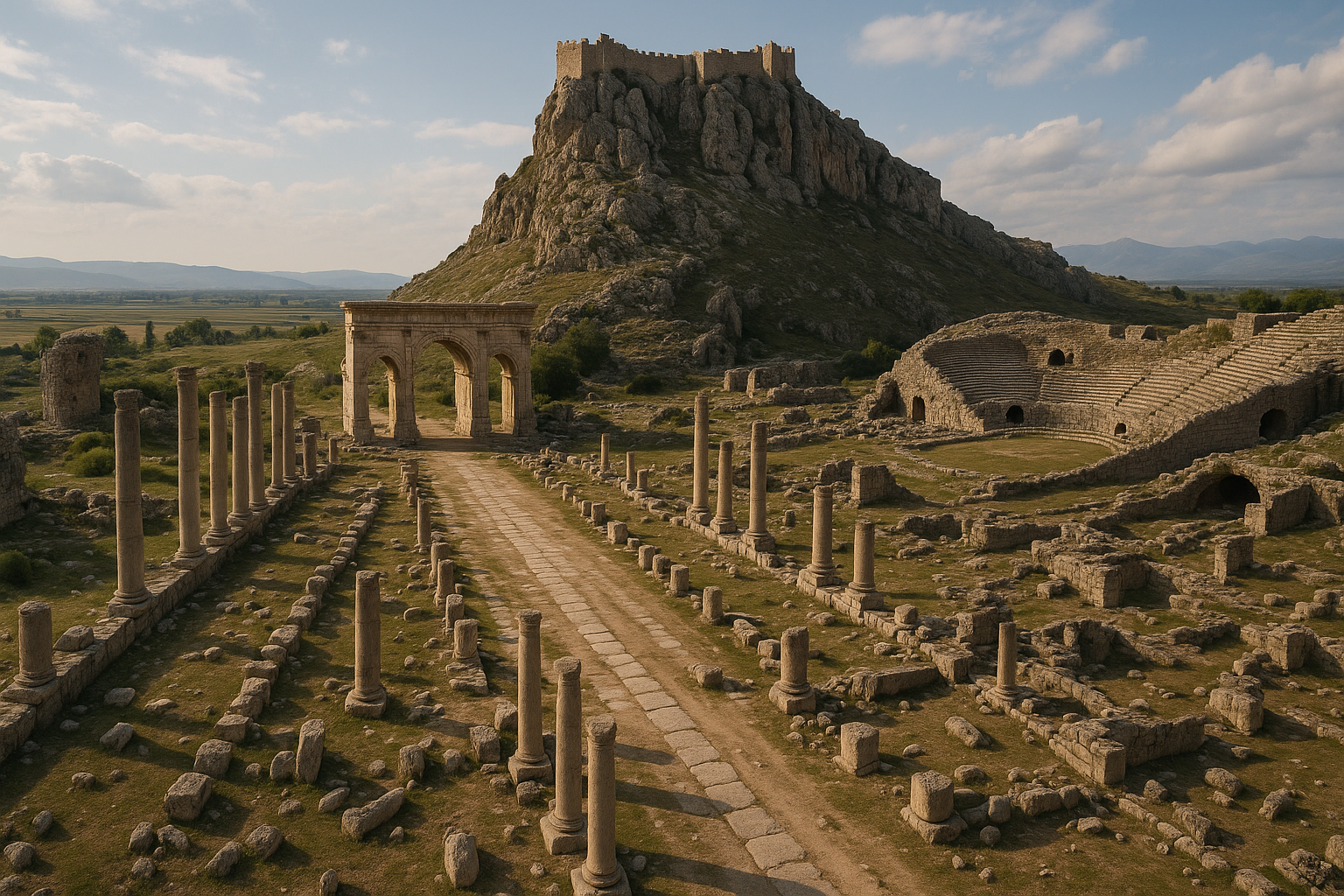
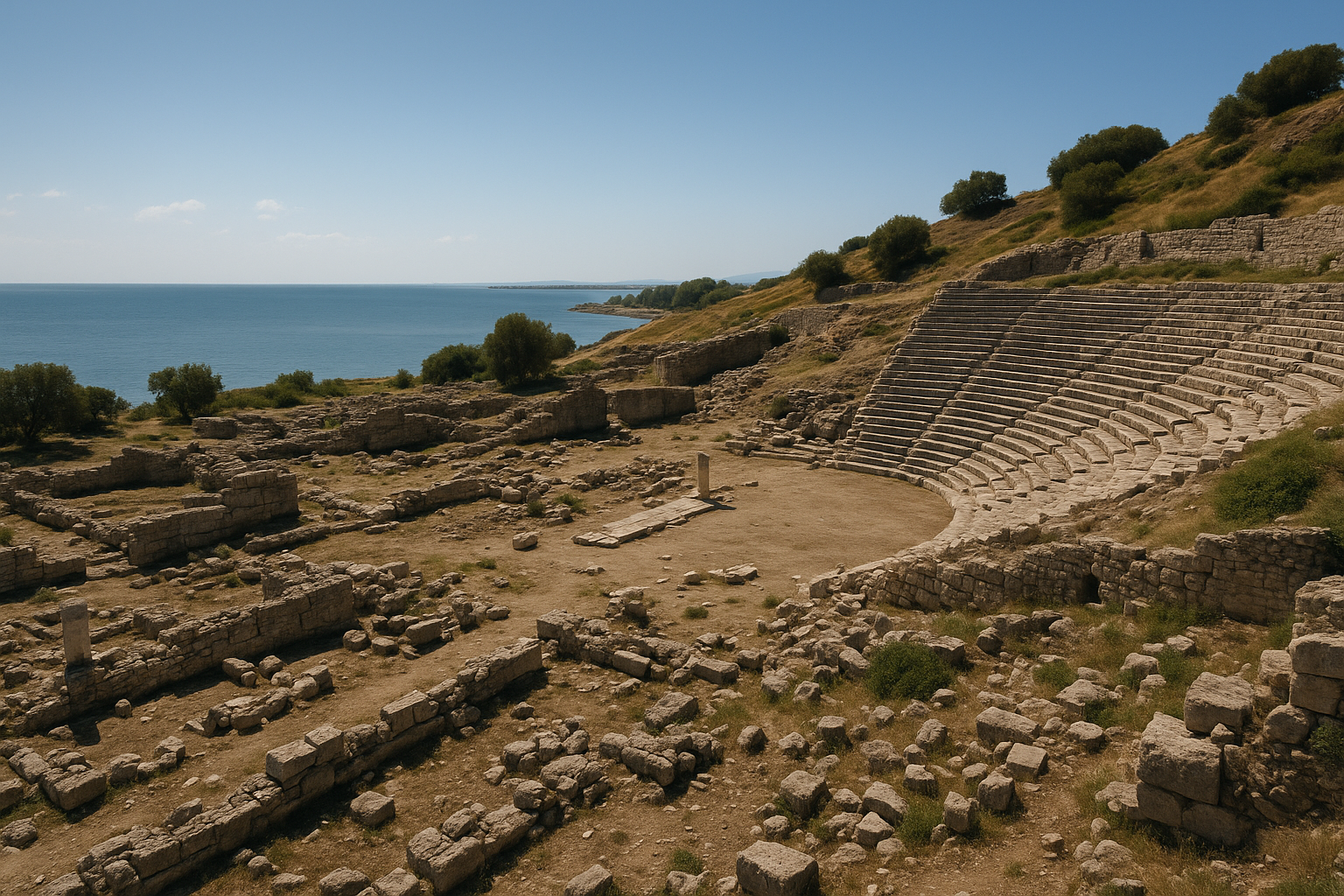
نظرة شاملة: يسمك هو أحد أكثر المواقع الأثرية استثنائيةً وتفرّدًا في الشرق الأدنى القديم — محجر حجري مفتوح ومشغل نحت ضخم يعود إلى العصر الحثّي وعصر الحثّيين الجدد، يقع على سفوح جبال أمانوس بالقرب من إصلاحية في محافظة غازي عنتاب. تبلغ مساحته نحو 100,000 متر مربع، وهو أكبر مشغل نحت حجري قديم معروف في الشرق الأدنى، إذ تتناثر فيه مئات من منحوتات البازلت غير المكتملة — أبو الهول، والأسود، وواجهات الأسد، وآلهة الجبال، وقواعد الأعمدة — على المنحدر في المواضع التي تركها فيها النحّاتون القدماء قبل أكثر من 3,000 عام. أسّسه الإمبراطور الحثّي سوبيلوليوما الأول (حكم 1344–1322 ق.م) وأُحيي في عصر الحثّيين الجدد / الآراميين (القرنان التاسع والثامن ق.م)، ويوفّر يسمك نظرةً لا مثيل لها في أساليب النحت القديمة وتنظيم المشاغل والإنتاج الجماعي للمنحوتات الضخمة. يقع الموقع في القائمة التمهيدية لليونسكو للتراث العالمي، وهو يُدار اليوم بوصفه متحفًا مفتوحًا تحت إشراف متحف غازي عنتاب الأثري.
جدول المحتويات
- لماذا يُعدّ يسمك مهمًا
- الجغرافيا والموقع
- الجدول الزمني التاريخي
- الاكتشاف والتنقيب
- الصلة بالإمبراطورية الحثّية
- سوبيلوليوما الأول وتأسيس المشغل
- إحياء عهد الحثّيين الجدد
- المنحوتات: الأنواع والوظائف
- أبو الهول
- الأسود وواجهات الأسد
- آلهة الجبال
- قواعد الأعمدة والعناصر الأخرى
- أساليب النحت
- تنظيم المشغل والإنتاج الجماعي
- محجر البازلت
- الأسلوب الفني والمقارنات
- مملكة سمأل
- وضع القائمة التمهيدية لليونسكو
- المتحف المفتوح
- كيفية زيارة يسمك
- الأسئلة الشائعة
- المصادر
لماذا يُعدّ يسمك مهمًا
يتميّز يسمك في علم الآثار العالمي لأسباب عدة:
- أكبر مشغل نحت قديم: بمساحة 100,000 م²، هو أكبر مشغل نحت حجري معروف من الشرق الأدنى القديم — لا مكان آخر في العالم يتيح لك مشاهدة الإنتاج الجماعي القديم للمنحوتات متجمّدًا في مكانه
- مئات من المنحوتات غير المكتملة في موضعها الأصلي: أكثر من 300 منحوتة في مراحل إنجاز مختلفة لا تزال على المنحدر — تُقدّم سجلًا تفصيليًا خطوة بخطوة لعملية النحت
- تأسيس إمبراطوري حثّي: أسّسه سوبيلوليوما الأول، أحد أعظم الأباطرة الحثّيين، لتزويد المنحوتات الضخمة للقصور والمعابد الحثّية في أرجاء الإمبراطورية الواسعة
- فهم أساليب النحت: لأن المنحوتات هُجرت في كل مرحلة من مراحل الإنتاج — من الكتل الخام إلى القطع شبه المكتملة — يستطيع علماء الآثار إعادة بناء العملية بأكملها
- الإنتاج الجماعي: يُثبت يسمك أن الحثّيين مارسوا إنتاجًا منظّمًا ومتسلسلًا للمنحوتات الضخمة — نظام "مصنع" قديم
- إحياء عهد الحثّيين الجدد: يربط إعادة تفعيل المشغل في القرن التاسع ق.م بالممالك الرائعة لما بعد الحثّيين في جنوب شرق تركيا وشمال سوريا
- القائمة التمهيدية لليونسكو: اعتراف بقيمته الكونية البارزة
الجغرافيا والموقع
يشغل يسمك منحدرًا على السفوح الغربية لجبال أمانوس.
الموقع:
- بالقرب من قرية يسمك، منطقة إصلاحية، محافظة غازي عنتاب
- على السفوح الغربية لـجبال أمانوس (أمانوس القديمة)
- على بُعد نحو 25 كيلومترًا جنوب إصلاحية
- على بُعد نحو 100 كيلومتر جنوب مركز مدينة غازي عنتاب
- بالقرب من ممرّ أمانوس التاريخي — أحد أهمّ المعابر الجبلية في العالم القديم، يربط الأناضول بسوريا وبلاد الرافدين
طبيعة الموقع:
- منحدر لطيف مغطّى بنتوءات البازلت
- يواجه المنحدر الغرب مُطلًّا على سهل آميق (وادي إصلاحية)
- تتناثر صخور البازلت والكتل الحجرية المشغولة على طول المنحدر
- غطاء نباتي متوسّطي وسهبي — بلّوط شائك وأعشاب برية وحشائش
- تمتدّ جبال أمانوس بشكل درامي في الاتجاه الشرقي
- المشهد ريفي زراعي — تحيط بالموقع حقول القمح وبساتين الزيتون
الجيولوجيا:
- يتكوّن التلّ من البازلت — صخر بركاني داكن صلب مثالي للنحت الضخم
- وفّرت نتوءات وصخور البازلت الطبيعية المادة الخام للنحّاتين
- البازلت في يسمك دقيق الحبيبات مناسب للنحت التفصيلي
- يمتدّ التكوين الجيولوجي ذاته عبر المنحدر، مُؤمِّنًا إمدادًا وفيرًا وميسورًا من الحجر
الجدول الزمني التاريخي
| الحقبة | التاريخ | الأحداث الرئيسية |
|---|---|---|
| الإمبراطورية الحثّية | نحو 1344–1322 ق.م | يؤسّس سوبيلوليوما الأول المحجر والمشغل |
| أواخر الإمبراطورية الحثّية | القرن الثالث عشر ق.م | استمرار الإنتاج للقصور والمعابد الحثّية |
| انهيار العصر البرونزي | نحو 1200 ق.م | سقوط الإمبراطورية الحثّية؛ هجران المشغل |
| الحثّيون الجدد / الآراميون | القرنان التاسع والثامن ق.م | إحياء المشغل في عهد مملكة سمأل |
| الفتح الآشوري | القرن الثامن ق.م | تخضع المنطقة للسيطرة الآشورية؛ يُهجر المشغل ثانيةً |
| الهجران | بعد القرن الثامن ق.م | يُهجر الموقع نهائيًا؛ تبقى المنحوتات في مكانها |
| الاكتشاف الحديث | 1890 | يُبلّغ فيليكس فون لوشان عن الموقع لأول مرة |
| التنقيب | 1958–1961 | ينقّب الأستاذ بهادر ألكيم بشكل منهجي |
| المتحف المفتوح | من الثمانينيات حتى اليوم | تطوير الموقع متحفًا مفتوحًا |
| اليونسكو | 2012 | إضافته إلى القائمة التمهيدية |
الاكتشاف والتنقيب
يمتدّ الاكتشاف الحديث لموقع يسمك ودراسته على مدى أكثر من قرن.
التقارير الأولى (1890):
- أبلغ عالم الآثار الألماني فيليكس فون لوشان، الذي كان يعمل في زنجيرلي القريبة (سمأل القديمة)، عن منحوتات يسمك عام 1890 لأول مرة
- أدرك فون لوشان أهمية المنحوتات غير المكتملة المتناثرة على المنحدر
- أدّت تقاريره إلى لفت انتباه الأوساط الأكاديمية إلى الموقع
التنقيب المنهجي (1958–1961):
- أجرى الأستاذ بهادر ألكيم من جامعة إسطنبول أول تنقيب منهجي في يسمك
- وثّق ألكيم مئات المنحوتات وصنّفها في فهرس
- وضع الإطار الزمني الكرونولوجي — التأسيس الحثّي مع إحياء الحثّيين الجدد
- يبقى عمله الدراسة المرجعية الأساسية للموقع
الأعمال اللاحقة:
- واصلت الفرق الأثرية التركية أعمال التوثيق والصيانة
- جرى تطوير الموقع متحفًا مفتوحًا
- استمرار الدراسة الأكاديمية للمنحوتات وشبكات توزيعها
الصلة بالإمبراطورية الحثّية
أُسِّس يسمك بوصفه مشغلًا تموّله الدولة في إطار الإمبراطورية الحثّية — إحدى القوى العظمى في العصر البرونزي.
الإمبراطورية الحثّية:
- شيّد الحثّيون إمبراطورية قوية مركزها حاتّوشا (بوغازكوي) في وسط الأناضول
- في أوج قوّتها (القرنان الرابع عشر والثالث عشر ق.م)، كانت الإمبراطورية الحثّية تسيطر على معظم الأناضول وشمال سوريا وأجزاء من بلاد الرافدين
- كانت قصور الحثّيين ومعابدهم وبوّابات مدنهم تُزيَّن بمنحوتات حجرية ضخمة — أسود البوّابات، وأبو الهول، والأشكال الإلهية
- تطلّبت الحاجة إلى المنحوتات الضخمة في أرجاء هذه الإمبراطورية الشاسعة إنشاء مراكز إنتاج منظّمة
دور يسمك:
- أُسِّس يسمك لتزويد المنحوتات الضخمة لمشاريع البناء الحثّية في أرجاء الإمبراطورية
- كان موقع المشغل على سفوح أمانوس استراتيجيًا — بالقرب من الطرق الرئيسية التي تربط الأناضول بسوريا
- كان بالإمكان نقل المنحوتات المكتملة وشبه المكتملة من يسمك إلى مواقع البناء في أنحاء الإمبراطورية
- يعكس حجم الإنتاج في يسمك قدرة الدولة الحثّية على الإنتاج الفني المنظّم المركزي
سوبيلوليوما الأول وتأسيس المشغل
أسّس المشغل سوبيلوليوما الأول (حكم نحو 1344–1322 ق.م) — أحد أقوى الأباطرة الحثّيين.
سوبيلوليوما الأول:
- حوّل الدولة الحثّية من قوة إقليمية إلى قوة عظمى
- فتح شمال سوريا، بما فيها منطقة أمانوس التي يقع فيها يسمك
- أسّس ممالك تابعة في أرجاء سوريا
- تطلّب برنامجه المعماري كميات هائلة من المنحوتات الضخمة للقصور والمعابد والبوّابات الجديدة
تأسيس المشغل:
- قدّم تلّ البازلت في يسمك مزيجًا مثاليًا: حجر وفير عالي الجودة وقربٌ من طرق النقل الرئيسية
- نظّم نحّاتون مهرة أنفسهم في مشغل تديره الدولة
- كان الإنتاج منهجيًا — عمل نحّاتون متعدّدون في آن واحد على قطع مختلفة
- أمدّ المشغل مدن الإمبراطورية بمنحوتات البوّابات (الأسود، وأبو الهول)
إحياء عهد الحثّيين الجدد
بعد أن أودى انهيار العصر البرونزي (نحو 1200 ق.م) بالإمبراطورية الحثّية، أُحيي مشغل يسمك في عصر الحثّيين الجدد.
ممالك الحثّيين الجدد:
- بعد سقوط الإمبراطورية الحثّية، نشأت ممالك خلَفيّة أصغر في جنوب شرق الأناضول وشمال سوريا
- حافظت هذه الممالك الحثّية الجديدة (أو السورية الحثّية) على التقاليد الثقافية الحثّية وطوّرتها
- كانت مملكة سمأل (مركزها زنجيرلي القريبة / تلّ زنجيرلي الحديث) من أهمّها
الإحياء في يسمك:
- في القرن التاسع ق.م، أُعيد تفعيل المشغل — على الأرجح على يد مملكة سمأل
- أُنتجت منحوتات جديدة جنبًا إلى جنب مع القطع الحثّية المهجورة
- تُظهر منحوتات الحثّيين الجدد فوارق أسلوبية عن الأعمال الحثّية الأصلية — بتأثيرات من التقاليد الفنية الآرامية والآشورية
- استمرّ الإنتاج حتى الفتح الآشوري للمنطقة في القرن الثامن ق.م، حين هُجر المشغل نهائيًا
المنحوتات: الأنواع والوظائف
وُثّق في يسمك أكثر من 300 منحوتة في مراحل إنجاز مختلفة.
الفئات الرئيسية:
- أبو الهول — مخلوقات بجسم أسد ورأس إنسان
- الأسود وواجهات الأسد — أسود قائمة بذاتها وواجهات أمامية للأسد
- آلهة الجبال — أشكال إلهية مرتبطة بالجبال
- قواعد الأعمدة — عناصر معمارية زخرفية
الوظائف:
- كانت معظم المنحوتات مُعَدَّة لـتحاذي بوّابات القصور والمعابد وأسوار المدن على الجانبين
- وفّرت منحوتات حارسة البوّابات (الأسود، وأبو الهول) الحماية من الشرّ وأظهرت القوة الملكية
- أدّت أشكال آلهة الجبال وظيفة الزخرفة المعمارية الدينية
- دعمت قواعد الأعمدة الأعمدةَ في العمارة القصورية والمعبدية
أبو الهول
أبو الهول هو النوع الأكثر تعدادًا من المنحوتات في يسمك.
الوصف:
- مخلوقات مركّبة بـجسم أسد ورأس إنسان (أحيانًا مع أجنحة)
- تُعبّر الرؤوس البشرية عادةً عن تعبير هادئ مواجه للناظر
- تعكس أغطية الرأس وتسريحات الشعر التقاليد الفنية الحثّية والحثّية الجديدة
- تتراوح الأحجام بين الصغير (أقل من متر) والكبير (أكثر من مترين)
الوظيفة:
- احتلّ أبو الهول جانبَي بوّابات المدن والقصور والمعابد الحثّية
- كان يؤدّي دور الحارس الخارق — يحمي المدخل من قوى الشرّ
- وُجد أبو الهول مماثل تمامًا في حاتّوشا (بوّابة أبي الهول) وآلاجا هويوك (بوّابة أبي الهول) وغيرها من المواقع الحثّية — مما يؤكّد أن يسمك كان يزوّد هذه المراكز
في يسمك:
- أبو الهول في كل مرحلة من مراحل الإنتاج: من البازلت الخام إلى القطع شبه المكتملة
- يتيح هذا التسلسل لعلماء الآثار إعادة بناء الكيفية التي ابتكر بها النحّاتون الحثّيون أبا الهول — خطوة بخطوة
الأسود وواجهات الأسد
الأسود وواجهات الأسد (منحوتات الجزء الأمامي تُظهر فقط النصف الأمامي للأسد) هي النوع الثاني من حيث الشيوع.
الأسود:
- منحوتات أسود قائمة بذاتها أو مدمجة جزئيًا
- تُظهر عادةً في وضعية المشي أو الوقوف
- أفواه مفتوحة بأسنان مكشوفة — للإفزاع من الأرواح الشريرة والأعداء
- عرف منحوت بأنماط مُصطلحة
واجهات الأسد:
- منحوتات تُظهر فقط النصف الأمامي للأسد، بارزًا من جدار أو هيكل بوّابة
- أتاح شكل الواجهة أن يبدو الأسد كأنه يخرج من الحجر
الوظيفة:
- منحوتات حارسة البوّابات — اصطفّ الأسود على جانبَي بوّابات المدن ومداخل القصور في العالم الحثّي كلّه
- كان الأسد رمزًا للقوة الملكية والحماية الإلهية
- أسود البوّابات المماثلة موجودة في حاتّوشا وآلاجا هويوك ومدن الحثّيين الجدد كـقره تبة وقرقميش
آلهة الجبال
أشكال آلهة الجبال هي نوع نحتي ديني حثّي مميّز موجود في يسمك.
الوصف:
- أشكال قائمة أو جالسة تمثّل جبالًا مؤلَّهة
- تُظهر عادةً قبّعات مخروطية وأردية طويلة
- يحمل بعضها أسلحة أو رموزًا إلهية
- يعكس مفهوم إله الجبل المعتقدَ الديني الحثّي القائل بأن الجبال كائنات إلهية حيّة
الأهمية:
- ظهرت آلهة الجبال في عمارة المعابد الحثّية والتماثيل الموكبية
- يُظهر مقدّس يازيلي قايا الصخري الشهير بالقرب من حاتّوشا آلهة جبال في موكب
- يؤكّد وجود منحوتات آلهة الجبال في يسمك صلةَ المشغل ببرامج البناء الديني الحثّي
قواعد الأعمدة والعناصر الأخرى
فضلًا عن النحت التصويري، أنتج يسمك عناصر معمارية.
قواعد الأعمدة:
- قواعد زخرفية لأعمدة المباني القصورية والمعبدية
- عادةً دائرية الشكل مع نقوش زخرفية
- بعضها يُصوّر حيوانات (أسودًا أو ثيرانًا) كدعائم للأعمدة
عناصر أخرى:
- ألواح الجدران المنحوتة (الأورتوستات) في مراحل إنتاج مختلفة
- كتل معمارية بنقوش زخرفية
- استُخدمت هذه العناصر في بناء وزخرفة المباني الحثّية الضخمة
أساليب النحت
يوفّر يسمك أدلّة لا مثيل لها على أساليب النحت في الشرق الأدنى القديم.
العملية (المُعاد بناؤها من القطع غير المكتملة):
- الاختيار: اختيار صخرة بازلتية مناسبة الحجم والشكل
- التشكيل الخام: تشكيل الملامح الأساسية للمنحوتة باستخدام مطارق حجرية ثقيلة
- التشكيل الأولي: تحديد السمات الرئيسية (الرأس والجسم والأطراف) باستخدام الأزاميل والمطارق
- التفاصيل: نحت ملامح الوجه والعرف والأجنحة والعناصر الزخرفية
- التشطيب: تنعيم السطح والتفاصيل النهائية
- النقل: نقل المنحوتات المكتملة أو شبه المكتملة إلى وجهتها
الأدوات:
- مطارق حجرية (دولريت) للأعمال الخام
- أزاميل معدنية (برونزية، ثم حديدية لاحقًا) للأعمال التفصيلية
- أحجار كاشطة للتلميع
- آثار الأدوات مرئية على كثير من القطع غير المكتملة
الأدلة في يسمك:
- توثّق المنحوتات في كل مرحلة — من الصخور الخام التي بالكاد مُسّت إلى الأعمال شبه المكتملة — هذه العملية بأسرها
- تُظهر بعض المنحوتات تصحيحات حيث غيّر النحّات التصميم في منتصف الإنتاج
- يُشير توزيع القطع غير المكتملة على المنحدر إلى مناطق عمل منظّمة
تنظيم المشغل والإنتاج الجماعي
يُثبت يسمك أن الشرق الأدنى القديم مارس إنتاجًا منظّمًا للنحت على النطاق الصناعي.
التنظيم:
- امتدّ المشغل على نحو 100,000 متر مربع — مساحة هائلة
- عمل نحّاتون متعدّدون في آن واحد على قطع مختلفة
- يبدو أن الإنتاج كان منظّمًا حسب نوع المنحوتة — ركّزت مناطق مختلفة من المنحدر على أنواع مختلفة (أبو الهول، والأسود، وغيرها)
- مراقبة الجودة واضحة — تُركت القطع التي تشقّقت أو بها عيوب في مكانها
الإنتاج الجماعي:
- يدلّ العدد الكبير للمنحوتات (أكثر من 300) على إنتاج متسلسل منظّم
- التصاميم المعيارية تُشير إلى استخدام نماذج أو قوالب
- عمل المشغل كـ"مصنع" قديم — مادة خام تدخل، ومنتجات نهائية تخرج
- يطعن هذا في الفكرة الرومانسية القائلة بأن النحت القديم كان إبداعًا فرديًا بحتًا
سلسلة التوريد:
- نُقلت المنحوتات المكتملة من يسمك إلى مواقع البناء في أرجاء الإمبراطورية الحثّية
- مرّت طرق النقل عبر ممرّات أمانوس عبر السهول
- احتاجت لوجستيات نقل منحوتات بازلتية تزن عدة أطنان لمسافات بعيدة إلى بنية تحتية ضخمة للدولة (طرق، وعربات، وأيدي عاملة)
محجر البازلت
أمدّ محجر البازلت في يسمك المادةَ الخام لكل الإنتاج.
الجيولوجيا:
- يتكوّن المنحدر من البازلت — صخر بركاني داكن كثيف
- البازلت دقيق الحبيبات ومناسب للنحت التفصيلي
- كانت نتوءات وصخور البازلت الطبيعية المصدرَ الأساسي للمادة الخام
- كانت الكتل الأكبر تُستخرج من نتوءات الصخر الأصلي باستخدام المطارق والأوتاد
تقنيات الاستخراج:
- كانت كتل البازلت الكبيرة تُشقّ من النتوءات بضرب الشقوق الطبيعية الموجودة مسبقًا بالمطرقة والإزميل
- آثار الأوتاد مرئية على بعض وجوه المحجر
- وفّر اختيار الصخور ذات الأشكال الطبيعية التي كانت تقترب بالفعل من الشكل المطلوب جهدًا كبيرًا
الأسلوب الفني والمقارنات
تتصل منحوتات يسمك بالتقاليد الفنية الأوسع للعالمين الحثّي والحثّي الجديد.
الأسلوب الحثّي (القرنان الرابع عشر والثالث عشر ق.م):
- أشكال جريئة وضخمة بسمات مبسّطة
- أبو الهول بوجوه إنسانية هادئة مواجهة للناظر
- أسود بأفواه مفتوحة وعرف مُصطلح
- تشابه قوي مع منحوتات البوّابات في حاتّوشا وآلاجا هويوك ويازيلي قايا
أسلوب الحثّيين الجدد (القرنان التاسع والثامن ق.م):
- تفاصيل وطبيعية أكثر من القطع الحثّية القديمة
- تأثيرات من التقاليد الفنية الآرامية والآشورية
- معالجة أكثر تفصيلًا للشعر واللحية
- أوجه تشابه مع منحوتات زنجيرلي (سمأل) وقره تبة وقرقميش وتلّ حلف
الأهمية:
- يتيح يسمك المقارنة المباشرة بين تقاليد النحت الحثّي والحثّي الجديد في الموقع ذاته
- يتتبّع التطوّر الأسلوبي المرئي في المنحوتات التغيّراتِ الثقافية الأوسع على مدى أكثر من 500 عام
مملكة سمأل
خلال عصر الحثّيين الجدد، كان يسمك على الأرجح تحت سيطرة مملكة سمأل.
سمأل:
- مملكة حثّية جديدة / آرامية مركزها زنجيرلي (تلّ زنجيرلي الحديث)، على بُعد نحو 30 كيلومترًا من يسمك
- إحدى أهمّ الممالك ما بعد الحثّية في جنوب شرق الأناضول
- اشتهرت بمنحوتات بوّاباتها الضخمة ونقوشها الملكية (بالآرامية والفينيقية) وعمارتها القصورية
- نُقّبت أولًا على يد فيليكس فون لوشان (1888–1902) ثم مؤخّرًا على يد جامعة شيكاغو
الصلة بيسمك:
- يجعل قرب سمأل من يسمك منها الراعي الأرجح لإحياء مشغل الحثّيين الجدد
- تُظهر منحوتات البوّابات في زنجيرلي أوجه تشابه أسلوبية مع قطع الحثّيين الجدد في يسمك
- امتلكت مملكة سمأل القوة السياسية والموارد الاقتصادية الكافية لتشغيل مشغل نحت واسع النطاق
- عندما فتح الإمبراطورية الآشورية سمأل في القرن الثامن ق.م، هُجر مشغل يسمك للمرة الأخيرة والنهائية
وضع القائمة التمهيدية لليونسكو
أُضيف يسمك إلى القائمة التمهيدية لليونسكو للتراث العالمي عام 2012.
المعايير المُستشهد بها:
- الطابع الفريد للموقع بوصفه أكبر مشغل نحت معروف في الشرق الأدنى القديم
- الحفظ الاستثنائي لمئات المنحوتات في موضعها الأصلي وفي مراحل إنتاج مختلفة
- أهمية الموقع لفهم الإنتاج الفني والتكنولوجيا والتنظيم الحثّيين والحثّيين الجدد
- الصلة بالحضارات العظيمة للإمبراطورية الحثّية وممالك الحثّيين الجدد
المتحف المفتوح
يسمك اليوم متحف مفتوح — من أكثر المتاحف غرابةً وتميّزًا في تركيا.
المتحف:
- تديره متحف غازي عنتاب الأثري
- تبقى المنحوتات في موضعها الأصلي — يسير الزوّار بينها على المنحدر
- توجّه مسارات المشي ولوحات المعلومات الزوّارَ عبر الموقع
- المنحوتات الرئيسية مرقّمة ومُسمَّاة
- يوفّر مركز الزوّار سياقًا ومعلومات خلفية
التجربة:
- السير بين مئات المنحوتات غير المكتملة عمرها 3,000 عام على المنحدر تجربة لا تُنسى
- يبدو الموقع كمشغل هُجر للتوّ — الأدوات موضوعة، والعمل في منتصفه
- يُضيف الموقع الريفي والمناظر الجبلية إلى الطابع الجوّي الساحر
- أحد القليل جدًا من الأماكن في العالم التي تستطيع فيها مشاهدة الإنتاج الجماعي القديم للمنحوتات في موضعها الأصلي
كيفية زيارة يسمك
كيفية الوصول:
- من غازي عنتاب: نحو 100 كيلومتر جنوبًا (نحو 1.5 ساعة)
- من إصلاحية: نحو 25 كيلومترًا (نحو 30 دقيقة)
- من هاتاي (أنطاكيا): نحو 80 كيلومترًا شمالًا (نحو 1.5 ساعة)
- الإشارات واضحة من طريق إصلاحية-هصّة
- لا يوجد مواصلات عامة منتظمة؛ يُنصح بسيارة إيجار أو سيارة أجرة من إصلاحية
الموقع:
- خصّص 1.5–2 ساعة لزيارة شاملة
- سِر على مسارات المنحدر بين المنحوتات
- المناطق الرئيسية: منطقة أبي الهول، ومنطقة الأسود، ومنحوتات آلهة الجبال، ومناطق المحجر، ولوحات المعلومات
- يتضمّن المنحدر مشيًا معتدل الصعوبة نحو الأعلى — الأحذية المريحة ضرورية
- مرافق أساسية عند المدخل
أفضل وقت للزيارة:
- الربيع (أبريل–مايو) مثالي — زهور برية، ودرجات حرارة لطيفة
- الخريف (سبتمبر–أكتوبر) ممتاز أيضًا
- الصيف حارّ جدًا في منطقة غازي عنتاب — زُر في الصباح الباكر
- الشتاء قد يكون باردًا مع ثلوج متقطّعة في الجبال
نصائح عملية:
- ارتدِ حذاءً متينًا للمشي — قد يكون المنحدر البازلتي زلقًا
- أحضر ماءً وواقيًا من الشمس — ظلٌّ محدود
- التصوير رائع — الأشكال النحتية في مواجهة السماء مشهد مسرحي
- اجمع الزيارة مع متحف زيوغما للفسيفساء في غازي عنتاب ومتحف غازي عنتاب الأثري
- موقع زنجيرلي (سمأل) القريب مرتبط تاريخيًا بيسمك
- غازي عنتاب مشهورة بمطبخها — خاصة البقلاوة والكباب — خصّص وقتًا للأكل!
الأسئلة الشائعة
س: ما الذي يجعل يسمك فريدًا؟ ج: يسمك هو أكبر مشغل نحت معروف في الشرق الأدنى القديم، مع أكثر من 300 منحوتة غير مكتملة لا تزال في موضعها الأصلي. لا مكان آخر يمكنك فيه مشاهدة الإنتاج الجماعي الحثّي للمنحوتات متجمّدًا لحظة الهجران.
س: لماذا تُركت المنحوتات غير مكتملة؟ ج: هُجر المشغل مرّتين — أولًا حين انهارت الإمبراطورية الحثّية (نحو 1200 ق.م) وثانيًا حين فتح الآشوريون المنطقة (القرن الثامن ق.م). في كل مرة، توقّف العمل ببساطة وتُركت المنحوتات في مكانها.
س: ممّ صُنعت المنحوتات؟ ج: من البازلت — صخر بركاني صلب داكن يُستخرج مباشرةً من المنحدر. البازلت مثالي للنحت الضخم لأنه متين ويقبل التفاصيل الدقيقة.
س: كيف كانت المنحوتات ستُستخدم؟ ج: كانت معظمها منحوتات حارسة للبوّابات (أسود، وأبو الهول) مُعَدَّة لتحاذي مداخل القصور والمعابد وأسوار المدن. كانت تحمي المباني وتُظهر القوة الملكية.
س: من أسّس المشغل؟ ج: أسّسه الإمبراطور الحثّي سوبيلوليوما الأول (حكم نحو 1344–1322 ق.م). أُحيي لاحقًا على يد مملكة سمأل الحثّية الجديدة في القرن التاسع ق.م.
س: هل يسمك موقع يونسكو؟ ج: يقع في القائمة التمهيدية لليونسكو للتراث العالمي (منذ 2012) لكنه لم يُدرج رسميًا بعد.
س: كيف يرتبط يسمك بالمواقع الحثّية الأخرى؟ ج: أبو الهول والأسود المنتجة في يسمك مماثلة جدًا لمنحوتات البوّابات في حاتّوشا وآلاجا هويوك وغيرها من المدن الحثّية — مما يؤكّد أن يسمك كان منشأة إنتاج مركزية للإمبراطورية.
بيانات الجرد والوزن للمنحوتات
أسفر الفهرسة المنهجية عن بيانات كمّية تفصيلية حول مجموعة يسمك:
| نقطة البيانات | القيمة | ملاحظات |
|---|---|---|
| إجمالي مساحة المشغل | ~100,000 م² (11 هكتارًا) | أحد أكبر المواقع الصناعية القديمة في الشرق الأدنى |
| إجمالي المنحوتات المفهرسة تقديرًا | ~520 قطعة | بما فيها الإضافات الحديثة؛ يُعتقد وجود المزيد تحت الأرض |
| المنحوتات المرئية على السطح | أكثر من 300 | في مراحل إنجاز مختلفة |
| الاكتشافات الحديثة (عطيلة إنجين، ما بعد 2019) | 15 منحوتة إضافية | أغلبها أسود وأبو الهول |
| نطاق وزن الكتل الحجرية | 500 كغم إلى 15 طنًا | محدّد بالتحليل الجيولوجي والأثري |
| المادة الأساسية | بازلت دقيق الحبيبات | صخر بركاني محلّي؛ مثالي للنحت التفصيلي |
يعكس نطاق الوزن من 500 كغم إلى 15 طنًا التباين الهائل في حجم المنحوتات — من قواعد الأعمدة الصغيرة إلى أسود البوّابات الضخمة التي يزيد ارتفاعها عن مترين. كان نقل القطع النهائية بهذا الوزن إلى مدن حثّية بعيدة يتطلّب لوجستيات تنظّمها الدولة: مزالق أو بكرات خصصت لهذا الغرض، وفرق من الحيوانات المدرّبة، وأسطح طرق مصونة.
توزيع أنواع المنحوتات
يكشف تحليل الأعمال المفهرسة عن التوزيع التقريبي التالي حسب نوع المنحوتة:
| النوع | الوصف | التكرار النسبي |
|---|---|---|
| أبو الهول (برأس أنثوي) | جسم أسد برأس إنسان، أحيانًا مجنّح؛ تعبير هادئ مواجه للناظر | الأكثر تعدادًا (~40% من الإجمالي) |
| أسود البوّابات | قائمة بذاتها أو مدمجة؛ وضعية مشي/وقوف؛ فم مفتوح بأسنان مكشوفة | الثاني من حيث الشيوع (~30%) |
| الأسود المجنّحة | جسم أسد بأجنحة منحوتة؛ حارس حماية هجين | فئة فرعية من فئة الأسود |
| واجهات الأسد | النصف الأمامي للأسد بارزًا من كتلة؛ مصمّم ليبرز من الجدار | تكرار معتدل |
| تماثيل آلهة الجبال | أشكال إلهية قائمة/جالسة؛ قبّعات مخروطية وأردية طويلة | أقل شيوعًا (~10%) |
| قواعد الأعمدة | قواعد دائرية بزخارف حيوانية أو هندسية | تكرار معتدل |
| الأورتوستات / ألواح الجدران | ألواح منحوتة مسطّحة لزخرفة الجدران | أقل شيوعًا |
مراحل الإنتاج الموثّقة في الموقع الأصلي
تكمن القيمة الفريدة ليسمك في حقيقة أن المنحوتات في كل مرحلة من مراحل الإنتاج لا تزال على المنحدر، مما يتيح إعادة بناء سير العمل بالكامل:
| المرحلة | الوصف | الأدلة في يسمك |
|---|---|---|
| 1. اختيار الصخرة | اختيار صخور بازلتية طبيعية مناسبة التقريب من حيث الحجم والشكل | صخور غير معالجة جانب قطع منحوتة |
| 2. التشكيل الخام | تشكيل الملامح الأساسية بمطارق حجرية ثقيلة | أشكال بالكاد يمكن التعرّف عليها |
| 3. التشكيل الأولي | تحديد السمات التشريحية الرئيسية (رأس، جسم، أطراف) بالأزاميل | قطع مشكّلة جزئيًا عديدة |
| 4. النحت التفصيلي | إضافة ملامح الوجه والعرف والأجنحة والعناصر الزخرفية | بعض أعمال قريبة من الاكتمال |
| 5. التشطيب السطحي | التنعيم والتلميع والتصحيحات التفصيلية النهائية | نادر — معظم القطع لم تبلغ هذه المرحلة |
| 6. التحضير للنقل | إعداد القطعة المكتملة لنقلها بالمزلقة/البكرة | أدلة من علامات النقل على بعض الكتل |
| الرفض | قطع معيبة أو متشقّقة مهجورة في مكانها | أمثلة متعدّدة لأعمال مرفوضة بشقوق مرئية |
كرونولوجيا التنقيب
| المرحلة | المدير(ون) | الفترة | الإنجازات الرئيسية |
|---|---|---|---|
| الاكتشاف | فيليكس فون لوشان | 1890 | أول تقرير أكاديمي؛ تعرّف على الصلة بزنجيرلي (سمأل) |
| التنقيب المنهجي | الأستاذ بهادر ألكيم (جامعة إسطنبول) | 1958–1961 | فهرسة ~200 منحوتة؛ وضع التأريخ الحثّي والحثّي الجديد |
| التوثيق المستمر | إلهان تميزسوي | 1988–1991 | توسيع المسح والصيانة |
| الأبحاث الحالية | الأستاذ عطيلة إنجين | 2019–حتى الآن | توسيع منطقة التنقيب؛ 15 منحوتة جديدة؛ مسح المستوطنات في منطقة إصلاحية-نوردآغي |
خلال حملات المسح 2019–2021 التي أشرف عليها عطيلة إنجين، جرى تحديد 77 مركزًا أثريًا من حقب مختلفة — من العصر الحجري القديم الأوسط حتى أواخر العهد العثماني — في منطقتَي إصلاحية ونوردآغي المحيطتين بيسمك. كشف سياق هذا المسح الأوسع أن مشغل يسمك كان جزءًا من مشهد حضري مكتظّ يمتدّ لعشرات آلاف السنين.
أدلة استيطان العصر البرونزي المتأخر
يتناول اكتشاف حديث بالغ الأهمية التساؤل القديم حول التأريخ الدقيق للمشغل:
عُثر على بقايا معمارية ومنحوتات وشظايا فخارية من العصر البرونزي المتأخر على تلّ طبيعي بطول 3.5 كيلومتر يمتدّ من الشرق إلى الغرب شرق المشغل مباشرةً. يوفّر هذا الموقع الاستيطاني فوق التلّ — الذي كان على الأرجح يضمّ العمّال والمشرفين وموظّفي الدعم المرتبطين بالمحجر — دليلًا حاسمًا على تشغيل المشغل خلال الحقبة الحثّية (القرنان الرابع عشر والثالث عشر ق.م)، مما يؤكّد الصلة بسوبيلوليوما الأول وخلفائه.
يُوضّح دليل الاستيطان أيضًا الغرض الإنتاجي للمشغل: يدلّ التواجد المشترك لمستوطنة سكنية كبيرة مع المحجر على أن يسمك لم يكن عملية موسمية أو عرضية، بل كان منشأة صناعية دائمة التوظيف تديرها الدولة — "بلدة مصنع" قديمة مكرّسة لإنتاج المنحوتات الضخمة.
المصادر
- ألكيم، أو. بهادر. "يسمك طاش أوجاغي وهيكل أتولياسي كازيلاري" (تقارير التنقيب)
- القائمة التمهيدية لليونسكو، "Yesemek Quarry and Sculpture Workshop" (whc.unesco.org/en/tentativelists/5732)
- ويكيبيديا، "Yesemek Quarry and Sculpture Workshop"
- فون لوشان، فيليكس. Ausgrabungen in Sendschirli (الحفريات في زنجيرلي)
- متحف غازي عنتاب الأثري
- أخبار الآثار التركية، "يسمك"
- جمهورية تركيا، وزارة الثقافة والسياحة — التراث الثقافي لغازي عنتاب
- أورتمان، وينفريد. Untersuchungen zur späthethitischen Kunst