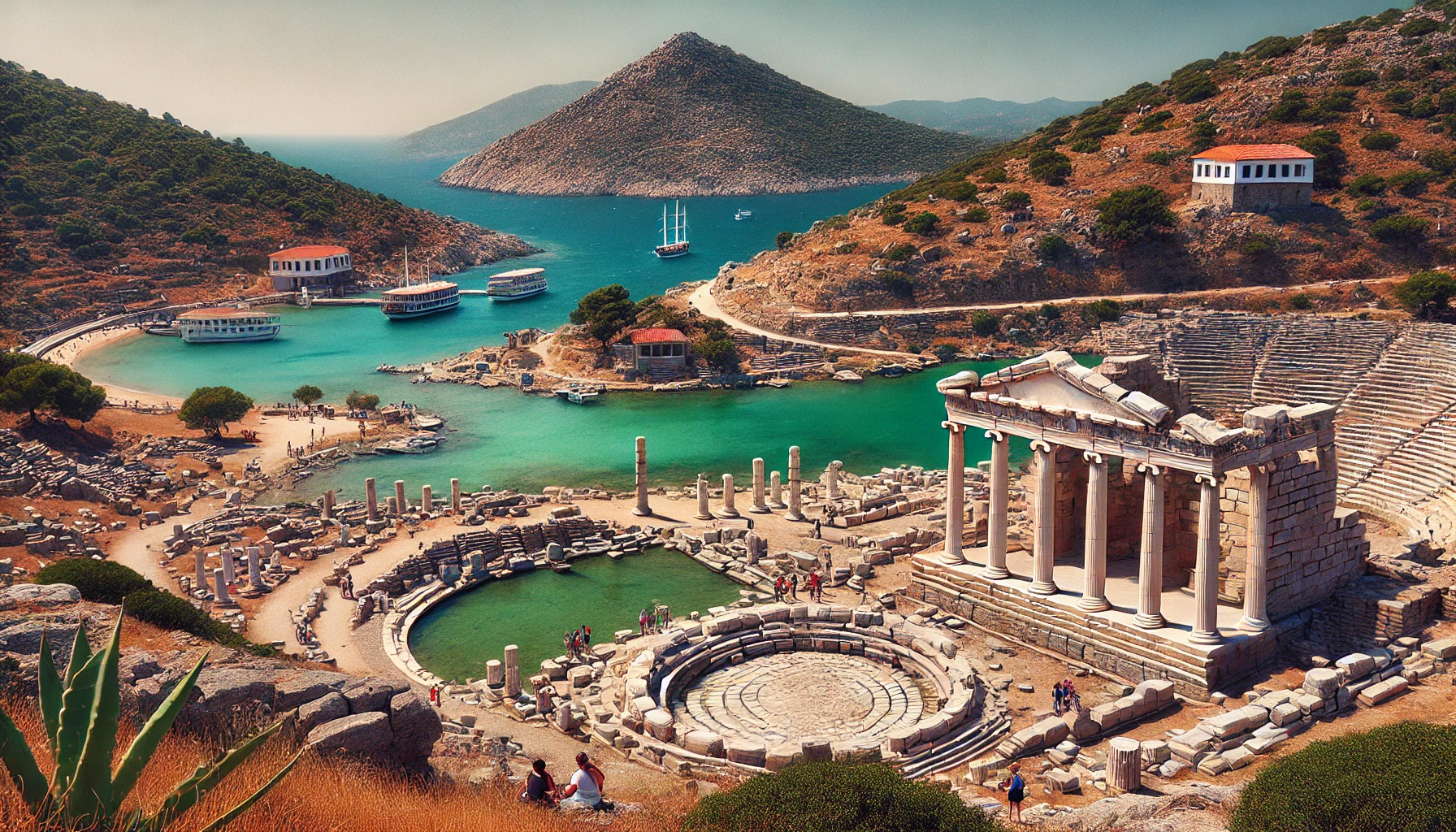
بيداسا هي أهمّ مدينة ليليغية لا تزال باقية، وتنتمي إلى شعب أناضولي قديم سابق للإغريق في جنوب غرب الأناضول. تقع على قمم التلال والسفوح المشرفة على قوناجيق (غوكجيلر) في شبه جزيرة بودروم بمحافظة موغلا التركية. ذُكرت في إلياذة هوميروس ووصفها هيرودوت بمقاومتها الشرسة للفرس، وتحتفظ بيداسا بأسوار دفاعية من الحجارة الجافة مبنية بلا ملاط، ومعبد أثينا (الذي أكّدته رواية هيرودوت ومكتشفات التماثيل الطينية)، ونحو 70 تلًّا حجريًا (مبانٍ جنائزية مقبّبة)، وأبراج دفاعية، وبقايا أكروبول مع هياكل قصرية. تشير الأدلة الأثرية إلى أن المدينة كانت مأهولة منذ نحو 2000 ق.م حتى 1300 م، أي من العصر البرونزي حتى الحقبة البيزنطية. وقد خضعت بيداسا للتنقيب منذ عام 2007 بإشراف الأستاذ عدنان دِيلِر من جامعة موغلا (بعد مسوحات أُجريت من 1999 إلى 2006)، لتكون نافذة فريدة على حضارة أناضولية قبل-إغريقية اندثرت في معظمها.
جدول المحتويات
- لماذا تُعدّ بيداسا مهمة
- الجغرافيا والموقع
- الجدول الزمني التاريخي
- أبرز المعالم الأثرية
- الأعمال الأثرية
- معلومات للزائرين
- الأسئلة الشائعة
- المصادر وقراءات إضافية
لماذا تُعدّ بيداسا مهمة
تحتلّ بيداسا مكانة متفرّدة في علم الآثار الأناضولي القديم:
-
المدينة الليليغية الأولى. كان الليليغيون سكّانًا أصليين سابقين للإغريق يقطنون شبه جزيرة بودروم (شبه جزيرة هاليكارناسوس القديمة) والمناطق المحيطة بها. وعلى الرغم من أن هويّتهم ظلّت موضع جدل بين العلماء منذ العصور القديمة، فإن بيداسا تُعدّ أوسع مستوطنة منقَّبة منسوبة إلى هذا الشعب، وتوفّر الدليل الأثري الرئيسي على الثقافة المادية الليليغية ومعمارها وعاداتها الجنائزية وحياتها اليومية.
-
الإشارة الهوميرية. وُردت بيداسا في إلياذة هوميروس: "آلتيس ملك الليليغيين المحاربين؛ ظلّ يحوز بيداسوس على ضفاف ساتنيويس." يضع هذا المرجع الأدبي بيداسا بين أقدم المستوطنات المُسمَّاة في غرب الأناضول ويربطها بالموروث الملحمي من العصر البرونزي والحقبة الأركية. قلّة من المواقع الأثرية في تركيا تستطيع الادّعاء بنسب أدبي بالغ هذا القِدَم.
-
هيرودوت والمقاومة الفارسية. روى المؤرخ الإغريقي هيرودوت أن كاهنة أثينا في بيداسا كانت تنبت لها لحية كلما أوشك الكارثة أن يحلّ بالمدينة — وهي قصة استأثرت بخيال القرّاء في العصور القديمة. والأهم من ذلك أن هيرودوت وثّق مقاومة بيداسا للغزوات الفارسية، مما يجعلها واحدة من النزر اليسير من المدن الليليغية التي حُفظ تاريخها السياسي في نصّ قديم رئيسي. وقصة اللحية، وإن بدت خيالية، تُثبت وجود عبادة وحي لأثينا في الموقع.
-
البناء الجاف الباهر. اشتُهر الليليغيون في العصور القديمة ببنائهم بلا ملاط ولا جير. شُيّدت الأسوار الدفاعية والأبراج والمباني السكنية في بيداسا بتلاؤم دقيق لكتل حجرية بلا أيّ مادة رابطة — وهي تقنية تستوجب حرفية استثنائية أتاحت لهذه الأسوار الصمود أكثر من 2500 عام. وقد أطلق الإغريق أنفسهم على هذه التقنية اسم "أسوار الليليغيين" نسبةً إلى أصحابها.
-
تقليد التلال الجنائزية الاستثنائي. رُصدت نحو 70 تلّة حجرية في منطقة بيداسا. وتمثّل هذه الهياكل الجنائزية المقبّبة، التي تعود أساسًا إلى الحقبتين الهندسية والأركية (القرنان الثامن والسادس ق.م)، تقليدًا جنائزيًا متميّزًا يختلف عن ممارسات الدفن اليونانية والكارية السائدة، مما يفتح نافذة على الهوية الثقافية الفريدة للليليغيين.
-
أطول فترة استيطان متواصل في شبه الجزيرة. تُثبت بيداسا، بأدلتها الأثرية الممتدة من نحو 2000 ق.م إلى 1300 م — أي ما يزيد على ثلاثة آلاف عام — أطول تاريخ استيطاني معروف لأي موقع في شبه جزيرة بودروم، متقدّمةً حتى على هاليكارناسوس الشهيرة.
الجغرافيا والموقع
الموضع على القمم
تمتدّ بيداسا عبر سلسلة من القمم والسفوح المشرفة على مستوطنة قوناجيق الحديثة (المعروفة أيضًا بغوكجيلر)، في الجزء الشمالي الشرقي من شبه جزيرة بودروم. يُهيمن الموقع على مناظر بانورامية تمتدّ نحو سهل بودروم جنوبًا، وخليج غولّوك شمالًا، وبحر إيجة غربًا. وفي الأيام الصافية تبدو جزيرتا كوس وكاليمنوس اليونانيتان في الأفق.
تمتدّ المدينة على مساحة واسعة بشكل لافت — إذ تتوزع الأسوار والأبراج والتلال الجنائزية والمدرّجات الزراعية والمباني الريفية عبر تلال ووديان عدة، بما يُقدَّر بنحو 2-3 كيلومترات مربعة. يميّز هذا النمط من الاستيطان المتفرّق بيداسا عن المخططات الحضرية الأكثر تراصًا في المدن الإغريقية، ويعكس تكيّف الليليغيين مع التضاريس الوعرة لشبه الجزيرة، حيث استثمروا كل قمّة قابلة للتحصين وكل وادٍ صالح للزراعة.
المشهد الدفاعي
اختير الموضع على القمة لمزاياه الدفاعية الطبيعية. فالمنحدرات الحادة من جوانب متعددة أوجدت عوائق طبيعية، فيما أتاح السفح السيطرة على الطرق البرية الرئيسية التي تقطع شبه الجزيرة من الداخل إلى الساحل. وقد عزّز الليليغيون هذه الدفاعات الطبيعية بأسوارهم المميّزة من الحجارة الجافة وأبراجهم المراقبة، مشكّلين منظومة دفاعية متكاملة قادرة على رصد الحركة والسيطرة عليها في رقعة واسعة.
كما أتاح الموضع التواصل البصري مع مستوطنات ليليغية أخرى في شبه الجزيرة، بما فيها مواقع تِلميسّوس وثيانجيلا وسيدي. وكانت النيران التحذيرية من أعلى الأبراج تُنبّه شبكة مجتمعات الليليغيين بأسرها إلى الأخطار المقبلة.
الغطاء النباتي والتضاريس
يكسو الموقعَ نباتُ المقّي الإيجي النموذجي — أدغال منخفضة وأعشاب برية (أوريغانو، زعتر، مريمية) وأشجار صنوبر متفرقة. وتخلق الأعشاب العطرة المنتشرة بين الأطلال تجربة حسية فريدة في علم الآثار الإيجي. والتجوّل في الأطلال يستلزم السير في مسالك صخرية عبر هذه الطبيعة المتوسطية. أما التضاريس فمتحدية نسبيًا، مع تغيّرات في الارتفاع تتراوح بين 200 و300 متر عبر الموقع.
الموارد المائية
على الرغم من الموضع المرتفع، تتوفّر في المنطقة ينابيع موسمية ومياه أمطار مجمّعة. وقد رُصدت صهاريج قديمة وعناصر لإدارة المياه خلال التنقيبات، مما يُثبت مهارة الليليغيين الهندسية في إدارة الموارد المائية الشحيحة في بيئة قمم شبه جافة. وكان إمداد المياه دائمًا أقل وفرةً منه في المستوطنات المنخفضة، وربما كان ذلك أحد العوامل التي حدّت من النمو السكاني للمدينة.
الجدول الزمني التاريخي
أصول الليليغيين والعصر البرونزي (قبل القرن الثامن ق.م)
أصول الشعب الليليغي موضع جدل. استخدم الكتّاب الإغريق القدماء مصطلح "الليليغيون" للدلالة على سكان ما قبل الإغريق في جنوب غرب الأناضول، أحيانًا مع التمييز بينهم وبين الكاريين وأحيانًا مع خلط الفئتين. ويتعامل الباحثون المعاصرون معهم عمومًا باعتبارهم شعبًا أناضوليًا متميّزًا لكن ذا صلة بالكاريين، يمتلك ثقافته المادية الخاصة وتقاليده الجنائزية المميّزة.
تشير الأدلة الأثرية في بيداسا إلى نشاط استيطاني يعود إلى نحو 2000 ق.م على الأقل (العصر البرونزي الأوسط)، مما يجعلها من أقدم المواقع ذات الاستيطان المتواصل في شبه جزيرة بودروم. ويسبق هذا التوطّن المبكّر الاستعمارَ الإغريقي للساحل الإيجي بقرون عديدة.
يُنسب إلى الليليغيين في المصادر القديمة عدة ابتكارات، منها اختراع عُرف الخوذة العسكرية، وكانوا يشتهرون تحديدًا بمهاراتهم في البناء الحجري — إذ كانوا يبنون بلا ملاط في تقنية أطلق عليها الإغريق "أسوار الليليغيين". ويُجسّد هذا الموروث المعماري الذي تجلّى في أبهى صوره في بيداسا فهمًا متطورًا لهندسة الحجر وتوزيع الأوزان والهندسة الإنشائية.
الحقبتان الهندسية والأركية (القرن الثامن حتى السادس ق.م)
يبدو أن أشدّ فترات النشاط الليليغي في بيداسا كثافةً كانت الحقبتين الهندسية والأركية (نحو 800-500 ق.م). في هذه الحقبة:
- أُسّست المستوطنة الرئيسية في الأكروبول وحُصّنت بأسوار الحجارة الجافة المميّزة
- بلغ تقليد التلال الجنائزية ذروته، إذ شُيّد نحو 70 تلّة جنائزية عبر المشهد المحيط
- أُنشئ معبد أثينا (أو سابق له في مرحلة أقدم) في الأكروبول، ليؤدّي وظائف دينية وعرافية معًا
- بُنيت الأسوار الدفاعية والأبراج المراقبة للتحكم في الطرق البرية لشبه الجزيرة وإنذار المجتمع المبكّر من التهديدات المقتربة
- تدلّ المدرّجات الزراعية على المنحدرات على زراعة منظّمة للزيتون والكرمة والحبوب وغيرها من المحاصيل المتوسطية
- طوّر المجتمع ثقافةً مادية متميّزة تجمع بين عناصر ليليغية أصيلة وتأثيرات مستعارة من تقاليد إغريقية وكارية مجاورة
الحقبة الفارسية وهيرودوت (القرن السادس حتى الخامس ق.م)
أكثر المراحل توثيقًا في تاريخ بيداسا جاء على لسان هيرودوت (نحو 484-425 ق.م) الذي كتب عن المدينة في الأخبار:
- وصف كاهنة أثينا في بيداسا التي كانت تنبت لها لحية بصورة معجزية كلما أوشكت كارثة كبرى أن تحلّ بأهل المنطقة — وقيل إن هذا الأمر وقع ثلاث مرات. فضلًا عن الطابع الخيالي لهذا الوصف، يُثبت وجود ملجأ وحي في بيداسا وأهمية عبادة أثينا.
- وثّق مقاومة بيداسا للقوات الفارسية، تحديدًا خلال حملات القائد الفارسي هارپاغوس. مما يجعل بيداسا واحدة من النزر اليسير من المدن الليليغية التي تركت أثرًا في الروايات التاريخية الكبرى للعالم القديم.
- تُؤكّد روايته وجود ملجأ أثينا في بيداسا، مما يوفّر ارتباطًا نادرًا وقيّمًا بين الشهادة الأدبية والدليل الأثري لمستوطنة ليليغية.
مقاومة بيداسا لفارس لافتة لأن معظم المدن الكارية والليليغية خضعت للسلطة الفارسية. ويُلمّح عصيان بيداسا إلى تقليد راسخ من الاستقلالية والقدرة العسكرية، يتوافق مع العمارة الدفاعية الهائلة المرئية في الموقع.
الحقبتان الكلاسيكية والهلنستية (القرن الخامس حتى الأول ق.م)
في الحقبة الكلاسيكية، تعاظم نفوذ هاليكارناسوس (بودروم الحديثة)، المدينة الإغريقية/الكارية الكبرى في طرف شبه الجزيرة الجنوبي، على شبه جزيرة بودروم. انتهجت أسرة الهيكاتومنيد، ولا سيما موسولوس (377-353 ق.م)، سياسة السينويكيزم — التوحيد القسري أو المحفَّز للمستوطنات الصغيرة في مدن أكبر. جُمعت كثير من المجتمعات الليليغية في شبه الجزيرة داخل هاليكارناسوس في إطار هذه العملية التي هدفت إلى تركيز السكان والإيرادات الضريبية والقوة العسكرية.
مصير بيداسا في ظل السينويكيزم لا يزال موضع جدل بين العلماء. ربما انخفض عدد سكان المدينة بعد ترحيل سكّانها إلى هاليكارناسوس، وإن كان بعض الاستيطان قد استمرّ على الأرجح. وقد يكون عزل الموقع وارتفاعه قد أتاحا قدرًا من المقاومة لسياسة المركزة. وقد شهدت الحقبة الهلنستية نشاطًا متضائلًا في الموقع، غير أن التلال الجنائزية والأسوار ظلّت شامخة شاهدةً على الماضي الليليغي.
الحقبتان الرومانية والبيزنطية
أدلة الاحتلال الروماني في بيداسا محدودة مقارنةً بالمراحل الأسبق، مما يوحي بتراجع أهمية المدينة تراجعًا ملحوظًا بحلول ذلك الوقت. بيد أن الأدلة الأثرية تُشير إلى استمرار استخدام الموقع، ربما كمستوطنة ريفية أو محطة رعوية موسمية.
والأكثر إثارةً للدهشة هو الدليل على نشاط في الحقبة البيزنطية، يمتدّ استخدام الموقع إلى نحو 1300 م. وهذا يعني أن بيداسا ظلّت مستخدمة بوجه أو آخر لأكثر من ثلاثة آلاف عام — وهو امتداد استثنائي من النشاط البشري على قمّة تلّة واحدة. وربما ارتبط الوجود البيزنطي بوظائف برج المراقبة أو محطة الإشارة، مستغلًا الإطلالات المهيمنة للموقع.
أبرز المعالم الأثرية
أسوار الحجارة الجافة الليليغية
أبرز ما تتميّز به بيداسا أسوارها الدفاعية من الحجارة الجافة. شُيّدت بلا ملاط ولا جير ولا أيّة مادة رابطة، وتُجسّد هذه الأسوار تفوّق الليليغيين الأسطوري في البناء الحجري.
تُبنى الأسوار بانتقاء دقيق لكتل حجرية غير منتظمة الشكل وتلاؤمها بحيث تتشابك بدقة. كلّ حجر مُشكَّل منفردًا ليلائم جاره، مكوّنًا لعبة فراغية ثلاثية الأبعاد من القطع المتشابكة. تعتمد التقنية كليًا على وزن الحجارة وتماسكها وعلى مهارة البنّاء في تحقيق وصلات محكمة. وعلى الرغم من خلوّها من أي مادة لاصقة، صمدت هذه الأسوار نحو 2500 عام، شاهدةً على جودة الحرفية الليليغية والمتانة الجوهرية للبناء الحجري الجاف المُحكَم.
يُطوّق الحصن الدفاعي الأكروبولَ ويمتدّ على طول السفوح لحماية مسارات الاقتراب. وتتراوح سماكة قطاعات السور بين نحو 1.5 و3 أمتار، وتكون الأجزاء الأسمك عند النقاط الضعيفة ومداخل البوابات. وتتجلّى مراحل البناء والإصلاح المختلفة في تفاوت جودة وأسلوب قطاعات السور المتباينة.
معبد أثينا
يقع معبد أثينا في منطقة الأكروبول من المستوطنة. ويدعم هويّتَه المرجعُ الأدبي لهيرودوت عن ملجأ أثينا في بيداسا، والأدلةُ الأثرية بما فيها شظايا تماثيل طينية للإلهة أثينا اكتُشفت أثناء التنقيب من قِبل فريق الأستاذ دِيلِر.
يعود المعبد أساسًا إلى الحقبتين الأركية المتأخرة والكلاسيكية المبكرة (القرن السادس إلى الخامس ق.م) مع مراحل أقدم محتملة. وهو مبنى مربّع المسقط تتصدّره أعمدة في الواجهة الأمامية. ورغم تواضع حجمه مقارنةً بالمعابد الإغريقية الكبرى، فإنه يُمثّل أحد المنشآت الدينية الليليغية المؤكَّدة أثريًا القليلة، ويوفّر دليلًا جوهريًا لفهم التفاعل الديني الليليغي-الإغريقي. وقد جاء اكتشاف شظايا تماثيل أثينا مؤكِّدًا أن رواية هيرودوت استندت إلى معرفة حقيقية بالموقع لا إلى ابتكار أدبي.
التلال الحجرية الجنائزية
رُصدت نحو 70 تلّة حجرية في منطقة بيداسا، مما يجعلها من أكثف تجمعات الدفن في التلال في شبه جزيرة بودروم. هذه الهياكل الجنائزية:
- مقبّبة الشكل مشيّدة من حجارة مرصوفة بعناية بالتقنية الجافة ذاتها المستخدمة في أسوار المدينة
- تعود أساسًا إلى الحقبتين الهندسية والأركية (القرنان الثامن والسادس ق.م)
- تتفاوت في الحجم من مدافن فردية متواضعة (قطر 2-3 أمتار) إلى هياكل أكبر (حتى 8-10 أمتار) تُشير إلى دفن النخب أو الدفن الجماعي
- تعكس تقليدًا جنائزيًا مغايرًا لممارسات الدفن الإغريقية أو الكارية السائدة، مما يؤكّد الخصوصية الثقافية الليليغية
دراسة أكاديمية نُشرت عام 2021 حول التلال الجنائزية فحصت المصطلحات وأصول هذه الهياكل، مسلّطةً الضوء على سماتها الفريدة في السياق الأوسع لممارسات الدفن الأناضولي، ومتساءلةً عمّا إذا كان تقليد التلال الجنائزية الليليغي قد نشأ باستقلالية أم تأثّر بثقافات أناضولية أخرى.
الأكروبول والقلعة العليا
يحتلّ الأكروبول أعلى نقطة في المستوطنة وكان يُشكّل المركز الإداري وخطّ الدفاع الأخير معًا. رُصدت بقايا ما قد يكون هياكل قصرية أو سكنية نخبوية في الأكروبول إلى جانب معبد أثينا. تُشير هذه الهياكل إلى أن بيداسا كانت تحت حكم حاكم محلّي أو زعيم، يتوافق مع الإشارة الهوميرية إلى "آلتيس، ملك الليليغيين."
تتوّج القلعة العليا (أُست قالِه) الأكروبولَ، وفيها أمتن البنى الجدارية وأفضل المواقع الدفاعية. ومن هنا كان بإمكان المدافعين عن بيداسا استطلاع شبه الجزيرة بأسرها والبحار المحيطة بها.
الأبراج المراقبة والأبراج الدفاعية
توزّعت أبراج عدة على طول الحصن الدفاعي وعند نقاط استراتيجية على السفوح. وتشمل:
- أبراجًا مراقِبة تتيح التواصل البصري بين مختلف قطاعات المستوطنة والمواقع الليليغية الأخرى في شبه الجزيرة
- أبراجًا دفاعية تُعزّز النقاط الضعيفة في مسار السور
- أبراجًا تُهيمن على مناظر المشهد المحيط، بما فيها مسارات الاقتراب من الساحل وداخل شبه الجزيرة
الطريق المقدس
رُصد طريق مقدس يؤدّي إلى منطقة الملجأ، مشابه في المفهوم (وإن كان أصغر حجمًا) للطرق المقدسة الموجودة في ملاجئ أناضولية أخرى كلابراندا وديديما. كان هذا الطريق المسار الاحتفالي للشعائر الدينية في معبد أثينا.
المدرّجات الزراعية والمباني الزراعية
تُظهر التلال المحيطة ببيداسا أدلة واسعة على التدريج الزراعي — منصات ذات جدران حجرية تُنشئ أسطحًا مستوية للزراعة على المنحدرات الحادة. وهذه المدرّجات، المبنية بالتقنية الجافة ذاتها للأسوار المدنية، تُثبت الأسلوب المنهجي الليليغي في الزراعة في ظروف تضاريسية صعبة. وتتناثر في المناطق النائية بقايا مبانٍ زراعية، مما يُشير إلى انخراط مجتمع بيداسا في زراعة مكثّفة إلى جانب وظائفه الحضرية والعسكرية.
الأعمال الأثرية
مرحلة المسح (1999-2006)
بدأت الدراسة الأثرية الحديثة لبيداسا ببرنامج مسح شامل امتدّ من 1999 إلى 2006، بإشراف الأستاذ عدنان دِيلِر من جامعة موغلا (جامعة موغلا صطقي قوجمان حاليًا). وثّق هذا المسح متعدد السنوات مدى المستوطنة ورسم خرائط الأسوار الدفاعية والأبراج وجرد التلال الجنائزية وحدّد البقايا الهيكلية الرئيسية.
أثبت المسح أن بيداسا كانت أوسع وأكثر تعقيدًا بكثير مما كان مفترضًا، إذ تمتدّ منطقة المستوطنة عبر تلال ووديان متعددة. وكشف رصد نحو 70 تلّة جنائزية وبنى واسعة من الأسوار وعدد كبير من المباني الزراعية عن مجتمع بالغ الحجم والتعقيد التنظيمي.
مرحلة التنقيب (2007 حتى الآن)
بدأ التنقيب الرسمي عام 2007، أيضًا تحت إشراف الأستاذ عدنان دِيلِر. وقد استهدف برنامج التنقيب عدة مناطق رئيسية:
معبد أثينا: أكّد تنقيب منطقة الملجأ هويّة معبد أثينا من خلال اكتشاف شظايا تماثيل طينية للإلهة أثينا، تعود إلى الحقبتين الأركية المتأخرة والكلاسيكية المبكرة. وقد وفّر هذا الاكتشاف التأكيدَ الأثري للمرجع الأدبي لهيرودوت — وهو نادر من حالات تحقّق الشهادة الأدبية القديمة من خلال التنقيب الحديث.
منطقة الأكروبول: كشف العمل في الأكروبول عن تخطيط المستوطنة العليا، بما فيها الأسوار الدفاعية والهياكل السكنية والمباني النخبوية المحتملة التي قد تتوافق مع "قصر" الحاكم الليليغي المذكور في الإلياذة.
التلال الجنائزية: وفّر الفحص المنهجي لعدد من التلال معلومات حول ممارسات الدفن الليليغية وتقنيات بناء المقابر ومحتويات القبور. وتكشف المكتشفات عن ثقافة جمعت بين التقاليد الأناضولية المحلية وعناصر مستعارة من مجتمعات إغريقية وكارية مجاورة.
الأسوار والأبراج الدفاعية: وثّق التسجيل التفصيلي للسور الدفاعي تقنيات البناء ومراحل المنظومة الدفاعية، مُؤكّدًا تطوّر الهندسة الليليغية في البناء الجاف.
النتائج الرئيسية
أسفرت التنقيبات عن نتائج بالغة الأهمية:
- تأكيد معبد أثينا من خلال أدلة التماثيل الطينية، مما يدعم رواية هيرودوت
- توثيق نحو 70 تلّة جنائزية عبر المشهد، مما يُرسّخ أكبر مقبرة ليليغية معروفة
- أدلة على نشاط استيطاني ممتدّ من نحو 2000 ق.م حتى 1300 م — أكثر من ثلاثة آلاف عام
- تسجيل مفصّل لتقنيات البناء الحجري الجاف الليليغية بما يُقدّم الدراسة الحاسمة لهذا الموروث البنائي القديم
- تحديد مدرّجات زراعية وهياكل مزارع دليلًا على مجتمع مستقرّ زراعيًا ذي إدارة راقية للأراضي
- أدلة على تفاعل ثقافي بين الليليغيين وجيرانهم الإغريق والكاريين، مما يتحدّى فكرة الشعوب القبل-إغريقية المعزولة "البدائية"
مهرجان بيداسا الدولي
جرى تنظيم مهرجان بيداسا الدولي لرفع الوعي بالموقع والاحتفاء بتراثه الثقافي. يجمع هذا الحدث علماء آثار ومؤرخين ومجتمعات محلية وزوّارًا، إذ يمزج بين العروض الأكاديمية والأنشطة الثقافية والزيارات الإرشادية للأطلال.
معلومات للزائرين
الموقع والوصول
تقع بيداسا فوق بلدة قوناجيق، على بُعد نحو 5 كم شمال شرق مركز بودروم. يمكن الوصول إلى الموقع سيرًا على الأقدام من قوناجيق عبر مسارات مشاة مُعلَّمة.
من بودروم: سِر بالسيارة أو خذ دولموش إلى قوناجيق (نحو 5 كم شمال شرق مركز بودروم). من قوناجيق، اتبع اللافتات الدالة على "Pedasa Antik Kenti" أو مسار المشي إلى بيداسا. تستغرق المسيرة من نقطة الانطلاق إلى الأطلال الرئيسية نحو 30-45 دقيقة صعودًا عبر المقّي العطر المُشبَع بعبق الصنوبر.
من مطار بودروم-ميلاس: يبعد المطار نحو 35 كم عن قوناجيق (30 دقيقة بالسيارة).
مدة الزيارة
تستغرق المسيرة صعودًا إلى الأطلال الرئيسية والاستكشاف المعمّق للأكروبول ومعبد أثينا والأسوار والتلال المجاورة نحو 2.5-4 ساعات (بما فيها المسيرة ذهابًا وإيابًا). من يرغبون في استكشاف التلال الجنائزية والمباني الزراعية الأبعد فعليهم تخصيص يوم كامل.
أفضل أوقات الزيارة
- الربيع (مارس-مايو): الموسم المثالي. تُغطي الزهور البرية المنحدرات في عروض مبهجة، وتكون درجات الحرارة مثلى للمشي (15-25 م)، والمشهد الإيجي في أبهى صوره. تتفتّح الأوركيدات والشقائق والنباتات المتوسطية الأخرى بين الأسوار القديمة.
- الخريف (سبتمبر-نوفمبر): طقس ممتاز للمشي، ضوء ناعم، ازدحام أقل. يملأ المقّي العطر الهواءَ بعبق الزعتر والأوريغانو.
- الشتاء (ديسمبر-فبراير): معتدل لكن قد يكون ممطرًا. قد تكون المسارات طينية. غير أن الموقع يكتسب أجواءً أسطورية في ضوء الشتاء.
- الصيف (يونيو-أغسطس): حارّ جدًا لمسيرة الصعود (قد تتجاوز درجات الحرارة 40 م). إذا زرتَ في الصيف، ابدأ مبكرًا جدًا (قبل الثامنة صباحًا) أو في وقت متأخر من بعد الظهر (بعد الخامسة مساءً). احمل كميات وافرة من الماء.
زيارات مدمجة
تنسجم بيداسا طبيعيًا مع المشهد التاريخي الثريّ لشبه جزيرة بودروم:
- قلعة بودروم (قلعة القديس بطرس): القلعة الصليبية الأيقونية التي تحتضن متحف بودروم للآثار تحت الماء، على بُعد نحو 5 كم جنوب غرب.
- ضريح هاليكارناسوس: موقع أحد عجائب الدنيا السبع في العالم القديم، في مركز بودروم.
- المسرح القديم في بودروم: المسرح الهلنستي-الروماني المُطلّ على ميناء بودروم.
- بوابة ميندوس: البوابة الوحيدة الباقية من أسوار مدينة هاليكارناسوس القديمة.
- لابراندا: ملجأ زيوس لابراونداس في الجبال فوق ميلاس (نحو 60 كم شمال شرق) — يمنح الجمع بين زيارة بيداسا ولابراندا صورة شاملة عن الحياة الدينية والحضرية القبل-إغريقية والكارية.
- مواقع ليليغية أخرى: يمكن دمج عدد من المستوطنات الليليغية الأصغر في شبه جزيرة بودروم (تِلميسّوس وثيانجيلا وسيدي وغيرها) في جولة "شبه الجزيرة الليليغية" الكاشفة عن امتداد الحضارة الليليغية.
نصائح عملية
- هذا الموقع في جوهره رحلة مشي. الأحذية الرياضية المتينة ذات الدعم الجيد للكاحل ضرورة قصوى. قد تكون التضاريس الصخرية خطرة بالأحذية ذات النعل الأملس.
- احمل 2 لتر من الماء على الأقل للفرد، لا سيما في الطقس الدافئ. لا يتوفّر ماء على المسار أو عند الأطلال.
- الحماية من الشمس (قبعة، واقٍ شمسي، نظارة شمسية) حيوية لمحدودية الغطاء الشجري على المنحدرات العليا.
- ابدأ مبكرًا في الصباح تفاديًا لحرارة منتصف النهار، خاصةً بين مايو وسبتمبر.
- المسار مُعلَّم لكن ليس دائمًا بوضوح. يُنصح بتنزيل مسارات GPS مسبقًا أو استخدام خرائط دون اتصال.
- أعلم شخصًا ما بخطة مشيك ووقت عودتك المتوقع.
- يُوصى بتزوّد وجبات خفيفة أو سلّة نزهة للاستكشافات الأطول. تُعدّ المناظر من الأكروبول بقعةً مثاليّة للنزهة.
- المناظير مفيدة لرصد التلال الجنائزية وقطاعات الأسوار عبر المشهد.
- نصبت بلدية بودروم بعض اللافتات الإرشادية وألواح المعلومات عند نقطة انطلاق المسار، غير أن الدليل الإرشادي أو البحث المسبق يُعزّز التجربة بشكل ملحوظ.
- احذر من الثعابين في الطقس الدافئ، خاصةً في الأطلال وسط العشب الطويل.
الأسئلة الشائعة
من هم الليليغيون؟
الليليغيون شعب أناضولي أصيل سابق للإغريق في جنوب غرب الأناضول، ذكرهم هوميروس وهيرودوت وكتّاب قدماء آخرون. كانوا يقطنون شبه جزيرة بودروم (شبه جزيرة هاليكارناسوس) والمناطق الساحلية المحيطة بها قبل الاستعمار الإغريقي وخلاله. تُميّزهم بعض المصادر القديمة عن الكاريين (جيرانهم وأقاربهم الثقافيين)، بينما يعامل البعض الآخر المجموعتين باعتبارهما وثيقتَي الصلة. ارتبط الليليغيون تحديدًا بالبناء الحجري الجاف المتقن، وهي تقنية بناء بالغة التميّز حتى أطلق عليها الإغريق اسمهم.
لماذا تشتهر قصة الكاهنة ذات اللحية؟
روى هيرودوت أن كاهنة أثينا في بيداسا كانت تنبت لها لحية طويلة بصورة معجزية كلما أوشكت كارثة كبرى أن تحلّ بالمنطقة، وقيل إن ذلك وقع ثلاث مرات. استأثرت هذه القصة بالخيال الإغريقي لأنها قلبت المعايير الجنسية المعتادة وكانت تُعدّ علامة تحذير إلهي — أثينا تتواصل عبر جسد كاهنتها. وللمؤرخين قيمة هذه الرواية في تأكيد وجود عبادة وحي لأثينا في بيداسا وتوفير ارتكاز أدبي للدليل الأثري. وجاءت تنقيبات 2007+ لتكشف شظايا تماثيل أثينا مؤكِّدةً هذه الشهادة الأدبية.
هل يمكن زيارة التلال الجنائزية؟
بعض التلال الجنائزية متاح على طول مسارات المشي الرئيسية والمسارات الجانبية. بيد أن نحو 70 تلّة تتوزع على مساحة واسعة تبلغ عدة كيلومترات مربعة، ويستلزم الوصول إلى الأبعد منها مشيًا مطوّلًا في تضاريس غير ممهّدة. يمكن زيارة التلال المرئية قرب منطقة الأكروبول الرئيسية في إطار زيارة اعتيادية.
هل هناك رسوم دخول؟
وفقًا لآخر المعلومات المتاحة، بيداسا منطقة أثرية وترفيه مفتوحة بلا بوابات دخول رسمية أو مكاتب تذاكر. غير أن ذلك قد يتغيّر مع تنامي مكانة الموقع؛ راجع بلدية بودروم أو مكاتب السياحة المحلية للحصول على معلومات محدّثة.
كيف تُقارَن بيداسا بمواقع شبه جزيرة بودروم الأخرى؟
بينما تُركّز قلعة بودروم وموقع الضريح على حقب تاريخية لاحقة (الصليبية والإغريقية الكارية الكلاسيكية)، تأخذ بيداسا زوّارها إلى حقبة أسبق — حضارة الليليغيين القبل-إغريقية. وتُقدّم تجربة مغايرة تمامًا: رحلة برية في الهواء الطلق عبر أطلال تكتنفها الأسرار بدلًا من زيارة متحف حضري. يجعل الجمع بين الطبيعة البكر والغموض الأثري والتحدي الجسدي والنباتات المتوسطية العطرة بيداسا فريدة في شبه الجزيرة.
هل الموقع مناسب للعائلات ذات الأطفال؟
المسيرة متوسطة الصعوبة وتشمل تضاريس صخرية حادة. الأطفال الأكبر سنًّا (10 سنوات فأكثر) ذوو خبرة بالمشي سيستمتعون على الأرجح، غير أن الموقع غير مناسب للأطفال الصغار أو العربات. لا توجد مرافق ولا مظلات ظلّ ولا حواجز حماية. المراهقون المهتمون بالتاريخ أو المشي سيجدونه تجربة لا تُنسى.
ما الذي حلّ بالليليغيين؟
انصهر الليليغيون تدريجيًا في الشعوب الكارية والإغريقية في المنطقة خلال الحقبة الكلاسيكية. سياسات السينويكيزم لموسولوس في القرن الرابع ق.م عجّلت هذه العملية بترحيل سكّان المستوطنات الليليغية الصغيرة إلى مدينة هاليكارناسوس الكبرى. وبحلول الحقبة الهلنستية، كان الليليغيون قد اختفوا في معظمهم بوصفهم مجموعة إثنية متميّزة، وإن ظلّ إرثهم المعماري — الأسوار الحجرية الجافة المميّزة — منقوشًا في المشهد الطبيعي.
القياسات المعمارية والأرقام الرئيسية
| الميزة | القياس / التفاصيل |
|---|---|
| امتداد الاستيطان | نحو 2000 ق.م — 1300 م (~3300 عام) |
| المساحة الإجمالية للموقع | يُقدَّر بـ 2-3 كم² |
| عدد التلال الجنائزية المرصودة | نحو 70 |
| نطاق أقطار التلال الجنائزية | 2-3 م (متواضعة) إلى 8-10 م (نخبوية/جماعية) |
| سماكة السور الدفاعي | 1.5-3 م (تتفاوت حسب الموضع) |
| طول الأكروبول | نحو 200 م |
| الأسوار الخارجية للأكروبول | سوران خارجيان مدعومان بأبراج |
| الأسوار الداخلية للأكروبول | جدران تقسيم داخلية |
| الارتفاع فوق سهل بودروم | تغيّر ارتفاع بين 200-300 م عبر الموقع |
| المسافة من مركز بودروم | نحو 5 كم شمال شرق |
| المسافة من مطار بودروم-ميلاس | نحو 35 كم |
| تاريخ الميغارون (القصر) | القرن السابع ق.م |
| مرحلة مسح التنقيب | 1999-2006 |
| مرحلة التنقيب | 2007 حتى الآن |
الفخار وشبكات التجارة
وسّعت دراسات الفخار الحديثة من بيداسا توسيعًا ملحوظًا معرفتَنا بتقليد الفخار الليليغي وصلات التجارة التي ربطت هذه المستوطنة الهضبية بالعالم الإيجي وشرق البحر المتوسط الأوسع.
فخار مطلع العصر الحديدي
دراسة رائدة نُشرت عام 2014 بقلم هـ. بولوط — تحت عنوان "Early Iron Age Pottery from Halicarnassus Peninsula: Two New Amphora Fragments from Pedasa" في OLBA 22 (صص. 63-79) — وثّقت شظيتَي أمفورا بارزتين تُسلّطان الضوء على الانتقال من تقاليد الفخار في العصر البرونزي إلى العصر الحديدي في شبه الجزيرة.
| نوع الفخار | الحقبة | الخصائص |
|---|---|---|
| أمفورا بمقبض كتفي | البروتوهندسية المتأخرة | مزيج من السمات الكارية المحلية والأتيكية البروتوهندسية |
| أمفورا بمقبض رقبة (تُلّة سيفريجام تيبه) | الهندسية الوسطى-المتأخرة | إنتاج محلّي بتأثيرات أتيكية ودوديكانيسية |
| واردات أسلوب الشرق | القرن السابع ق.م | أمفورات تجارية يونية (جنوب أيونيا / النوع الميليتوسي) |
| أوعية محلية | الهندسية-الأركية | إنتاج ساحلي كاري مميّز |
أسفرت تُلّة سيفريجام تيبه القريبة من بيداسا عن فخار يمتدّ من البروتوهندسية المتأخرة إلى الهندسية المتأخرة، مما يُوفّر من أطول المتسلسلات الخزفية المتواصلة في شبه جزيرة بودروم. يمكن مقارنة أمفورا بمقبض رقبة من هذه التُلّة أسلوبيًا بأخرى عُثر عليها في درميل، موقع كاري آخر، وإن كانت عيّنة بيداسا تحتفظ بسمات محلية مميّزة تُفرّقها عن التقاليد الأتيكية أو الدوديكانيسية الصافية.
أدلة أمفورات التجارة
يُثبت التفوّق الكمّي لـأمفورات التجارة الأيونية الجنوبية (من النوع الميليتوسي تحديدًا) المكتشفة في بيداسا وعلى امتداد ساحل كاريا انخراطَ مجتمعات الليليغيين في شبكات التبادل الإيجي الأوسع خلال الحقبة الأركية. كانت ميليتوس، القوة التجارية الأيونية المهيمنة على بُعد نحو 100 كم إلى الشمال، الشريك التجاري الخارجي الرئيسي بوضوح، إذ كانت تُمدّ المنطقة بالبضائع (النبيذ وزيت الزيتون على الأرجح) في أوعية نقل معيارية.
كما وُثّق في بيداسا فخار مُستورد بالأسلوب الأوريانتالايزنغ من أيونيا، مما يُؤكّد مجدّدًا أن المستوطنة، رغم انكفائها الدفاعي على الهضبة، لم تكن معزولة ثقافيًا بل شاركت فاعليًا في تدفّق البضائع والأفكار الفنية عبر جنوب شرق إيجة.
التلال الجنائزية: تقنيات البناء وممارسات الدفن
تُشكّل نحو 70 تلّة حجرية في بيداسا أكبر تركّز من النُّصب الجنائزية الليليغية في المنطقة. وقد كشفت الدراسة الأثرية المعمّقة عن عدة سمات مميّزة تُفرّق هذه التلال عن تقاليد الدفن الأناضولية الأخرى.
الفوارق الهيكلية
| الميزة | الليليغي (بيداسا) | اللودي / الفريجي |
|---|---|---|
| الدروموس (ممر الدخول) | مرئي — مُصمَّم ليبقى متاحًا | مخفيّ — يُغلَق بعد الدفن |
| مادة البناء | حجارة جافة (بلا ملاط) | تلّة ترابية فوق غرفة حجرية/خشبية |
| الغرض من الاستخدام | مقابر جماعية/عائلية مع إمكانية الدخول المتكرر | غرف محكمة الإغلاق للاستخدام مرة واحدة |
| الموضع النموذجي | مواضع قمم تلال بارزة | مواضع وديان أو سهول |
الدروموس المرئي تمييز ذو دلالة بالغة. بعكس التلال اللودية أو الفريجية التي يُخفى مدخلها بعد الدفن صدًّا للسارقين، صُمِّمت تلال بيداسا الليليغية لـالدخول المتكرر. يُشير هذا إلى تقليد جنائزي قائم على الدفن الجماعي أو العائلي، حيث تُودَع الأجيال المتعاقبة في الهيكل ذاته عبر الزمن. وتُؤكّد التلال المُعاد استخدامها بما تحمله من أدلة على مراحل دفن متعددة الروابطَ العائلية عبر الأجيال.
ممارسات الدفن
كشفت تنقيبات التلال المختارة عن تحوّل في ممارسات الدفن:
- الحقبة الهندسية: دفن في توابيت فخارية (ممارسة تُوازي التقاليد الإغريقية المعاصرة)
- المراحل اللاحقة: دفن جماعي مع رماد الحرق، مما يُشير إلى تحوّل نحو طقوس الحرق
- الممارسات المدمجة: أدلة على الحرق والدفن معًا في التلّة الواحدة، ربما تعكس معاملة مختلفة لأفراد من منازل اجتماعية مختلفة
محتويات القبور
تشمل المجموعات المستخرجة من التلال في منطقة الأكروبول الغربي:
- سكين حديدي — يُشير إلى الاستخدام العملي والرمزي في السياق الجنائزي
- أساور برونزية — عناصر زينة شخصية تُشير إلى صلات تجارية للمعادن
- دبابيس فيبولا برونزية (دبابيس تثبيت الملابس) — مشابهة أسلوبيًا لأنواع وُجدت في المناطق الكارية والإغريقية الأوسع
- أوعية فخارية — إنتاج محلّي بالأسلوب الساحلي الكاري المميّز
تكشف الفوارق الاجتماعية-الاقتصادية الجليّة في محتويات القبور — من المدافن الفردية المتواضعة ذات القرابين القليلة إلى التلال الأكبر ذات المجموعات الأكثر ثراءً — عن مجتمع ليليغي طبقي يمكن تمييز طبقاته النخبوية والعامة.
الميغارون وسؤال الملكية الليليغية
تُحدَّد مبنى ضخم في وسط الأكروبول باعتباره ميغارونًا — قاعة مستطيلة بمدفأة مركزية، وهو نوع بناء مرتبط بالمساكن النخبوية والعمارة القصرية عبر العصر البرونزي والحديدي الإيجي. وقد يكون هذا المبنى المؤرَّخ إلى القرن السابع ق.م قد خدم مسكنًا لحاكم محلّي، يتوافق مع إشارة هوميروس إلى "آلتيس ملك الليليغيين."
يدعم موضع الميغارون في صميم الأكروبول المحصَّن، مقرونًا بحجمه الكبير نسبيًا مقارنةً بالهياكل السكنية المحيطة، التفسيرَ القائل إن بيداسا كانت تحت حكم زعيم أو ملك لا جمعية ديمقراطية. وكان هذا الهيكل السياسي الملكي أو القائم على الزعامة يختلف عن نموذج البوليس الذي يُميّز المدن الإغريقية المعاصرة، عاكسًا التقاليد السياسية المتميّزة للليليغيين.
المصادر وقراءات إضافية
- ويكيبيديا — Pedasa
- بلدية بودروم — Pedasa Ancient City
- The Bodrum Guide — Pedasa
- Cekiste — Pedasa: Travel, History, Excavations
- Property Turkey — "Uncover One of the Region's Best Kept Secrets at Pedasa." Link
- Academia.edu — "Stone Tumuli in Pedasa on the Lelegian Peninsula: Problems of Terminology and Origin" (2021). Link
- TripAdvisor — Pedasa Antique City Reviews
- هيرودوت، الأخبار (إشارات إلى بيداسا وكاهنة أثينا)
- هوميروس، الإلياذة (إشارة إلى بيداسوس والليليغيين)
- ويكيبيديا التركية — Pedasa