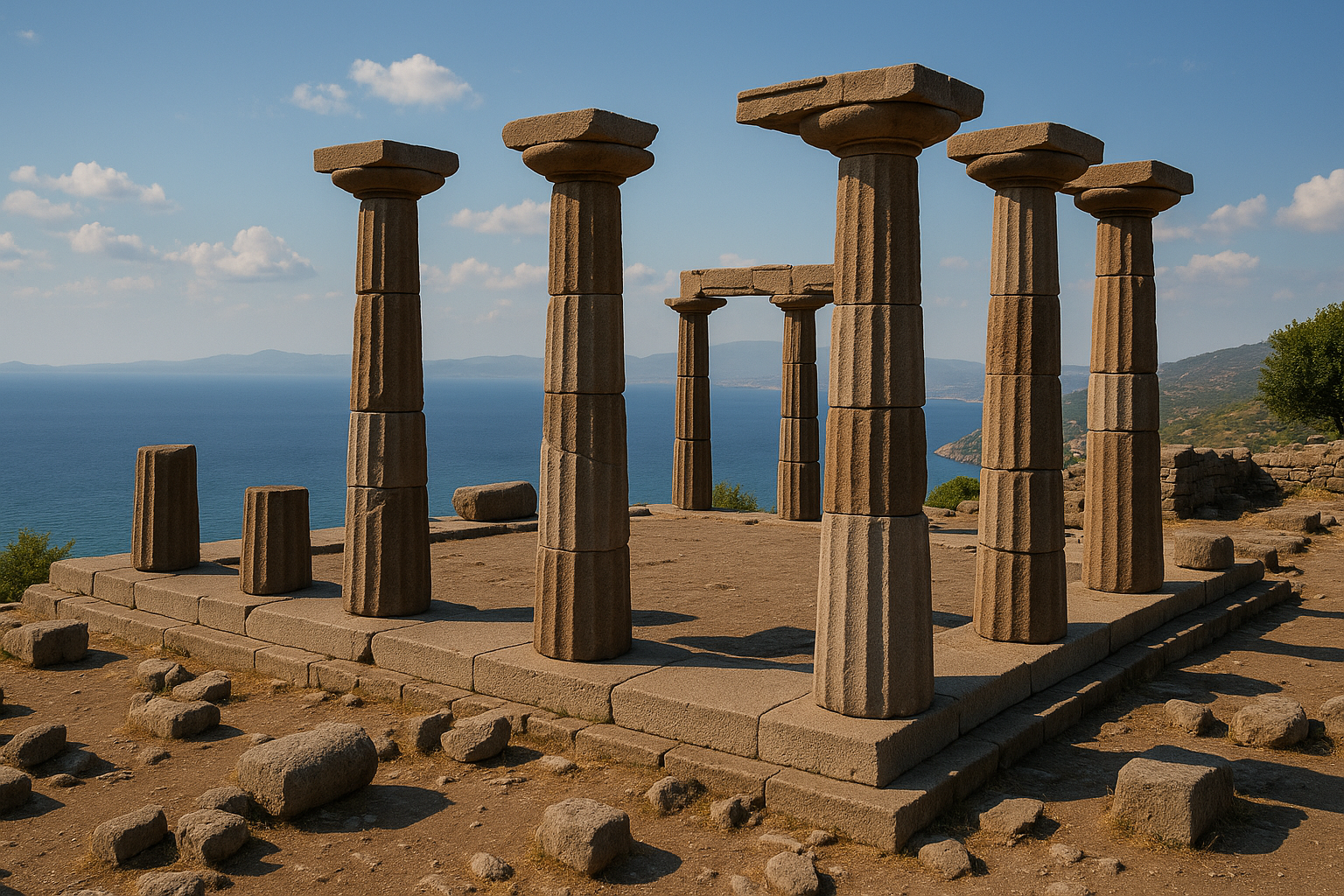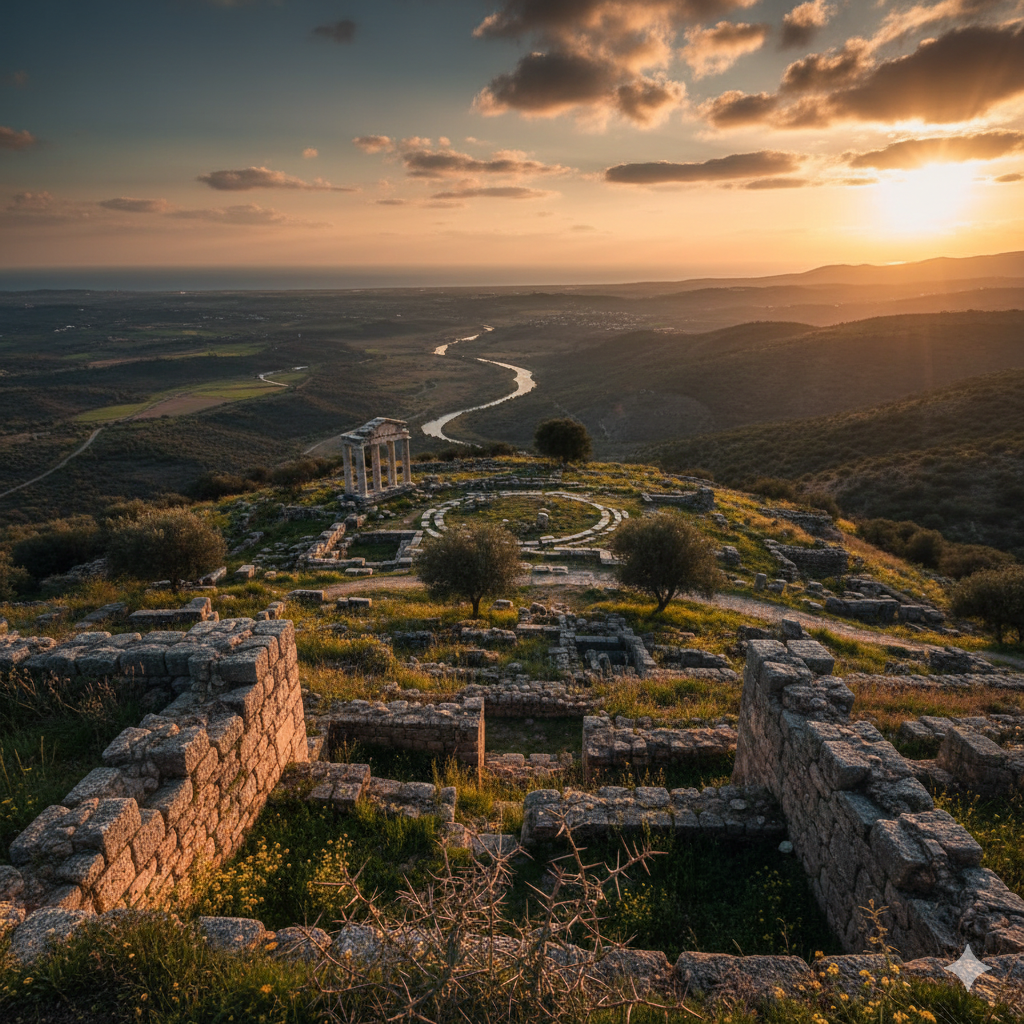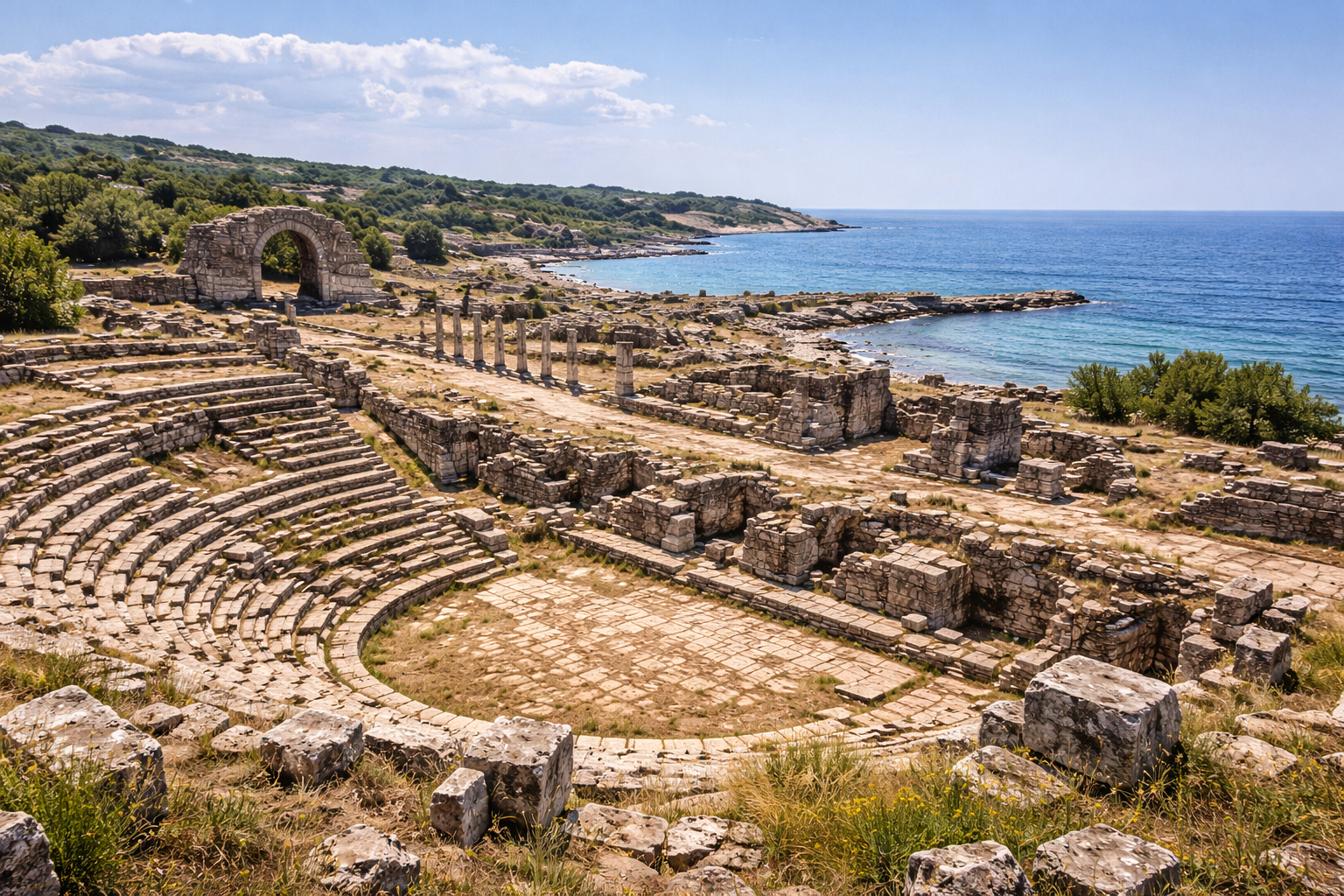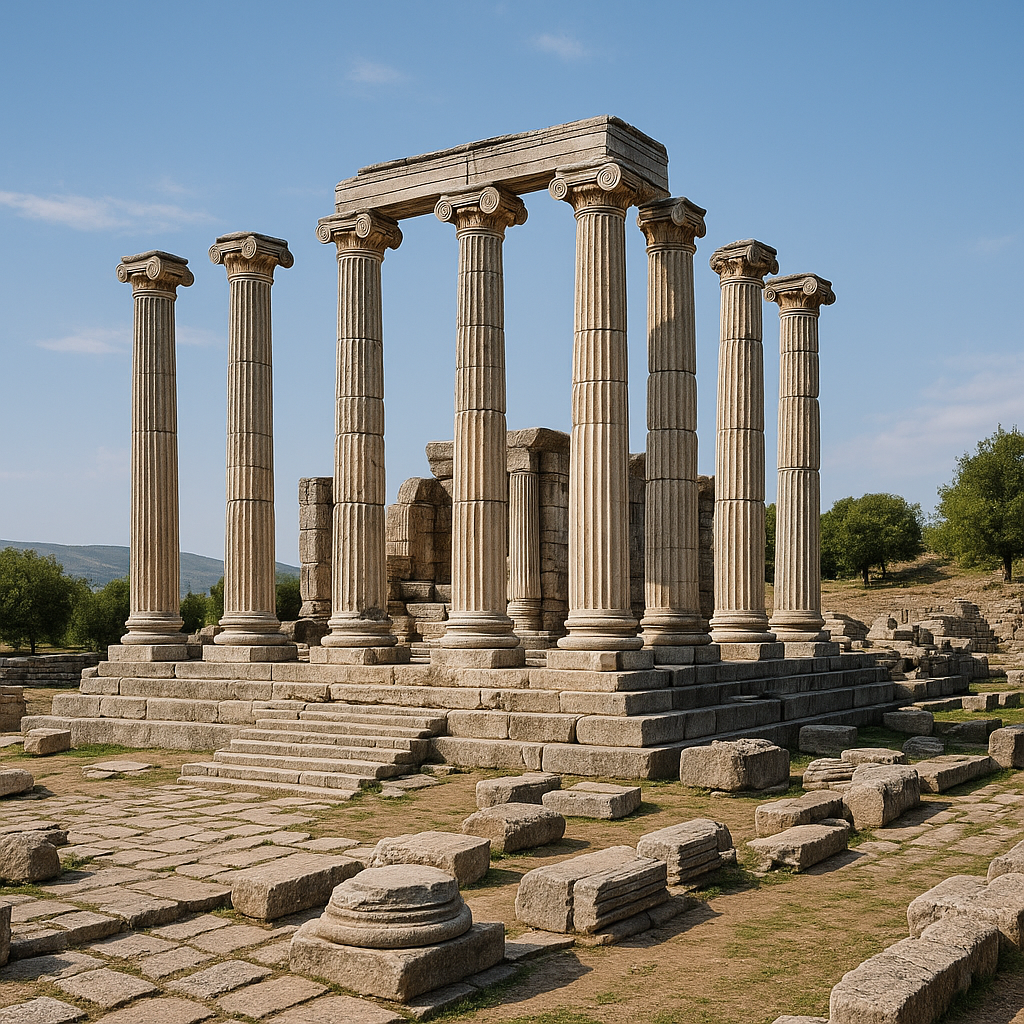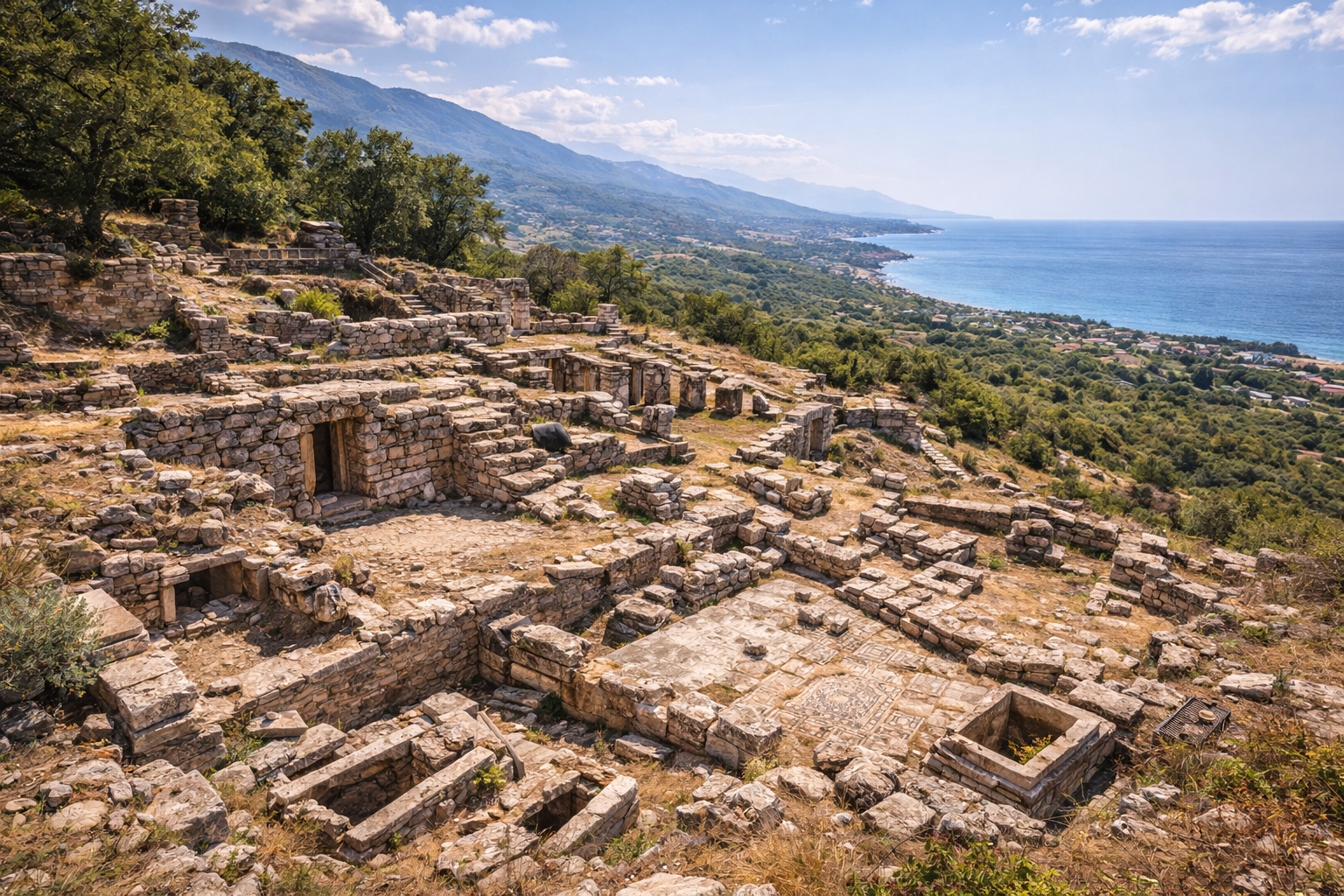
Antandros to starożytne miasto portowe położone na wzgórzu Kaletaşı na południowych stokach góry Ida (Kaz Dağı), około 2–2,5 km na wschód od Altınoluk, w powiecie Edremit w prowincji Balıkesir, z widokiem na Zatokę Edremit na północnym wybrzeżu Morza Egejskiego. Znane w mitologii jako miejsce, gdzie Eneasz i trojańscy uchodźcy zbudowali okręty, które miały zabrać ich do Italii i ostatecznie dać początek Rzymowi, Antandros było ważnym portem drzewnym i ośrodkiem szkutniczym od epoki archaicznej po czasy rzymskie. Odkryta tu nekropolia z setkami grobów obejmująca 800 lat, wyjątkowo dobrze zachowana rzymska willa z mozaikowymi posadzkami, później przekształcona we wczesnochrześcijańskie baptysterium, a także ślady późnoantycznych warsztatów szklarskich czynią to stanowisko jednym z najważniejszych archeologicznie miejsc na pograniczu Troady i Myzji. Stanowisko jest też istotnym przystankiem na Szlaku Eneasza, szlaku kulturowym Rady Europy odtwarzającym legendarną podróż z Troi do Rzymu.
Spis treści
- Dlaczego Antandros jest ważne
- Geografia i położenie
- Chronologia historyczna
- Główne zabytki i znaleziska
- Handel drewnem i starożytne szkutnictwo
- Zwyczaje pogrzebowe i struktura społeczna
- Monety i życie gospodarcze
- Badania archeologiczne
- Informacje dla zwiedzających
- Najczęściej zadawane pytania
- Źródła i dalsza lektura
Dlaczego Antandros jest ważne
-
Mitologiczna brama do założenia Rzymu. Według Eneidy Wergiliusza (księga III) Eneasz i ocaleni Trojanie przybyli do Antandros po upadku Troi, by zbudować flotę, która miała zabrać ich przez Morze Śródziemne do Italii. Wergiliusz pisze: „Buduję flotę pod Antandros i pod szczytami frygijskiej Idy.” Ten mitologiczny związek sytuował Antandros u początku rzymskiej legendy fundacyjnej i czynił je jednym z najbardziej symbolicznych miejsc starożytnego świata śródziemnomorskiego. Miasto jest ważnym przystankiem współczesnego Szlaku Eneasza (Rotta di Enea), szlaku kulturowego Rady Europy łączącego miejsca związane z tą legendarną podróżą.
-
Strategiczny port drzewny starożytnego Morza Egejskiego. Gęste lasy góry Ida, z sosną czarną (Pinus nigra), jodłą i dębem, dostarczały drewna, żywicy i smoły niezbędnych dla starożytnego szkutnictwa. Były to zasoby o znaczeniu niemal przemysłowo-wojennym. Kontrola nad Antandros oznaczała kontrolę nad surowcami potrzebnymi do budowy okrętów wojennych i statków handlowych. To strategiczne znaczenie tłumaczy, dlaczego miasto wielokrotnie przechodziło z rąk do rąk między Persami, Ateńczykami, Spartanami i Macedończykami w okresie klasycznym.
-
Jedna z najrozleglejszych nekropolii od epoki archaicznej po rzymską w zachodniej Turcji. Cmentarz dostarczył setek grobów z okresu od VIII w. p.n.e. do I w. n.e., w tym kamiennych sarkofagów, pochówków pitosowych, grobów skrzynkowych, urn ciałopalnych oraz pochówków niemowląt w amforach. Dary grobowe — ceramika attycka czarnofigurowa i czerwonofigurowa, złota i srebrna biżuteria, broń z brązu, terakotowe figurki, naczynia szklane — dokumentują niemal tysiąc lat przemian obyczajów pogrzebowych i dają szczegółowy obraz społeczności.
-
Wyjątkowo dobrze zachowana rzymska willa tarasowa. Willa z końca III i początku IV w. n.e. posiada polichromiczne mozaikowe posadzki z geometrycznymi wzorami z kamiennych, ceramicznych i szklanych tesserae, malowidła ścienne zachowujące czerwone, niebieskie i żółte pigmenty oraz system ogrzewania hypokaustycznego. Co najważniejsze, część willi została później przekształcona we wczesnochrześcijańskie baptysterium z basenem chrzcielnym — rzadką sekwencję archeologiczną pokazującą fizyczne przejście od przestrzeni pogańskiej do chrześcijańskiej w jednym budynku.
-
Ślady późnoantycznej produkcji rzemieślniczej. Pozostałości warsztatów szklarskich i tłoczni wina odkryte na terenie opuszczonej nekropolii pokazują, jak gospodarka miasta zmieniła się w późnej starożytności, przesuwając się od handlu morskiego ku lokalnemu rzemiosłu, gdy port ulegał zamulaniu, a śródziemnomorskie sieci wymiany się przeobrażały.
-
Okno na sporne pogranicza. Autorzy starożytni — Alkajos, Herodot, Tukidydes — przypisywali założenie Antandros różnym ludom: Lelegom, Pelazgom i Eolom. Odzwierciedla to położenie miasta na spornym kulturowo pograniczu Troady, Myzji i osadnictwa eolskiego. Sama różnorodność tradycji fundacyjnych jest świadectwem wielokulturowego charakteru miejsca.
Geografia i położenie
Antandros zajmuje szczyt i zachodnie stoki wzgórza Kaletaşı (około 215 m n.p.m.), położonego na południowych stokach góry Ida (Kaz Dağı), która wznosi się na 1 774 m na północ od stanowiska. Miasto zwrócone jest ku Zatoce Edremit (Adramyttion) na południu, a z górnych tarasów w pogodne dni widać Morze Egejskie.
Położenie jest strategicznie znakomite. Antandros kontrolowało zarówno lądową drogę między Myzją a Troadą — starożytny szlak łączący anatolijskie wnętrze z wybrzeżem Morza Egejskiego — jak i ważne północnoegejskie trasy morskie łączące Troadę, wyspę Lesbos (widoczną na horyzoncie) i wejście do Dardaneli (Hellespontu). Starożytny port, dziś całkowicie zamulony, leżał u podnóża wzgórza, tam gdzie biegnie nowoczesna droga nadbrzeżna. Badania geoarcheologiczne sugerują, że linia brzegowa od czasów starożytnych znacznie przesunęła się wskutek akumulacji osadów aluwialnych, przez co dawny port znalazł się dziś kilkaset metrów od aktualnego brzegu.
Najbliższe otoczenie wyznacza potężne tło góry Ida, słynnej w starożytności z lasów sosny czarnej (Pinus nigra), jodły (Abies) i dębu (Quercus). Lasy te dostarczały surowców — przede wszystkim drewna, żywicy i smoły — które uczyniły Antandros jednym z najważniejszych ośrodków szkutniczych starożytnego świata. Autorzy starożytni, m.in. Tukidydes (Wojna peloponeska IV.52, IV.75) i Strabon (Geografia XIII), wyraźnie wspominają o znaczeniu morskim handlu drewnem z Idy. Góra Ida była też miejscem świętym w mitologii: to tutaj miał miejsce sąd Parysa, a Zeus według Homera obserwował ze szczytu przebieg wojny trojańskiej.
Zatoka Edremit to osłonięta, skierowana na południe zatoka o łagodnym śródziemnomorskim mikroklimacie, sprzyjającym uprawie oliwek i cytrusów. Dziś nizina nadbrzeżna pokryta jest gajami oliwnymi, kontynuującymi tradycję rolniczą sięgającą starożytności. Region należy do najważniejszych tureckich obszarów produkcji oliwy z oliwek, a połączenie gór, lasu, morza i żyznej równiny tworzy krajobraz o wyjątkowym pięknie.
Współczesne Altınoluk to niewielkie miasteczko wypoczynkowe, zaledwie 2 km na zachód od stanowiska, oferujące noclegi, restauracje i dostęp do plaży. Edremit, centrum powiatu, leży około 18 km na wschód i stanowi główny ośrodek handlowy regionu.
Chronologia historyczna
Legendy fundacyjne i najwcześniejsze osadnictwo (przed VII w. p.n.e.)
Autorzy starożytni przekazują sprzeczne tradycje dotyczące założenia Antandros, z których każda odzwierciedla odmienne roszczenia kulturowe wobec tego miejsca. Poeta Alkajos (ok. 620–580 p.n.e.), piszący z pobliskiego Lesbos, przypisuje miasto Lelegom, przedgreckiemu ludowi anatolijskiemu związanemu z południowo-zachodnim wybrzeżem. Herodot (V w. p.n.e.) uznaje je za osadę pelazgijską, łącząc je z tajemniczymi przedgreckimi mieszkańcami świata egejskiego. Tukidydes i późniejsi autorzy hellenistyczni klasyfikują je jako kolonię eolską, umieszczając Antandros w sieci greckiej kolonizacji.
Nazwa „Antandros” może pochodzić od luwijsko-anatolijskiego rdzenia oznaczającego „naprzeciw” lub „zwrócone ku” krajobrazowi — być może w odniesieniu do położenia naprzeciw Lesbos lub zatoki — choć etymologia ta pozostaje dyskusyjna. Inna tradycja łączy miejsce z Askaniuszem (Julusem), synem Eneasza, który miał tu rządzić, zanim pojmali go Pelazgowie. Legenda ta splata trojańskie związki miasta z jego przedgrecką przeszłością.
Dowody archeologiczne z ceramiki i drobnych znalezisk potwierdzają zasiedlenie co najmniej od VIII–VII w. p.n.e., czyli od okresu archaicznego, i czynią z osady jedno z najstarszych stale zamieszkanych miejsc w rejonie Zatoki Edremit.
Okres archaiczny i klasyczny (VII–IV w. p.n.e.)
W VI w. p.n.e. Antandros znalazło się pod kontrolą Lidii, a następnie Persji, jako część satrapii Frygii Hellespontyjskiej. Zasoby drewna uczyniły miasto strategicznym podczas powstania jońskiego (499–494 p.n.e.) i wojen grecko-perskich, gdyż dostęp do materiałów szkutniczych był kluczowy dla potęgi morskiej.
W 421 r. p.n.e., podczas wojny peloponeskiej, wygnani Delijczycy — cała ludność świętej wyspy Delos, wypędzona przez Ateny pod pretekstem nieczystości — osiedlili się na krótko w Antandros, zanim pozwolono im wrócić. Tukidydes (IV.75) odnotowuje, że w 424 r. p.n.e. miasto wypędziło ateński garnizon przy pomocy sił perskich i najemników z Bitynii, co dobrze pokazuje jego położenie na styku sfer wpływów Aten i Persji.
Tukidydes (IV.52) wspomina również, że wygnańcy z Mityleny wykorzystali Antandros jako bazę w latach 428–427 p.n.e., fortyfikując je i korzystając z jego zasobów drewna do budowy okrętów do kampanii przeciw Atenom. Epizod ten potwierdza znaczenie Antandros jako ośrodka szkutniczego i jego strategiczną rolę w polityce egejskiej.
Najbardziej znanym wydarzeniem związanym z Antandros w epoce klasycznej pozostaje budowa floty przez Eneasza po upadku Troi. Według Wergiliusza (Eneida III.5–6): „Buduję flotę pod Antandros i pod szczytami frygijskiej Idy.” Choć jest to opowieść mityczna, trafnie oddaje historyczną rzeczywistość: Antandros należało do najważniejszych portów drzewnych starożytnego świata. Lasy góry Ida dostarczały wszystkiego, co było potrzebne do zbudowania floty.
Okres hellenistyczny (334 p.n.e. – I w. p.n.e.)
Po przejściu Aleksandra Wielkiego przez ten region w 334 r. p.n.e., w drodze do rozprawy z imperium perskim, Antandros weszło w skład państw diadochów. Miasto zachowało rolę portu drugiego rzędu, korzystając nadal z handlu drewnem i rolniczego zaplecza żyznej okolicy Zatoki Edremit. Monety bite w Antandros z tego okresu ukazują lwa — tradycyjny symbol miasta — Artemidę i rozmaite bóstwa olimpijskie, co odzwierciedla związki religijne i dumę obywatelską.
W III–II w. p.n.e. miasto zapewne znalazło się pod wpływem Pergamonu, gdy królestwo Attalidów rozszerzało kontrolę nad północnym wybrzeżem Morza Egejskiego. Zasoby drewna z góry Ida były cenne dla wojskowych i morskich ambicji Pergamonu.
Okres rzymski (I w. p.n.e. – IV w. n.e.)
Pod rządami rzymskimi Antandros pozostało skromnym, lecz zamożnym portowym miasteczkiem prowincji Azji. Miasto korzystało z pokoju rzymskiego, który ułatwiał handel i zmniejszał konflikty wojskowe tak charakterystyczne dla okresu klasycznego.
Najważniejsze pozostałości z epoki rzymskiej to willa tarasowa odkryta na zboczach wzgórza, datowana na koniec III i początek IV w. n.e.. Ta luksusowa rezydencja miała polichromiczne mozaiki z geometrycznymi i figuralnymi motywami z kamiennych, ceramicznych i szklanych tesserae, malowane tynki ścienne zachowujące czerwone, niebieskie i żółte panele pigmentowe oraz zaawansowany hypokaust, świadczący o obecności zespołu łaźni. Tarasowa konstrukcja dostosowana była do stromego terenu, z wieloma pomieszczeniami rozmieszczonymi wokół dziedzińca na opadających poziomach.
W późnej starożytności (V–VI w. n.e.) część willi przekształcono we wczesnochrześcijańskie baptysterium, wprowadzając m.in. basen chrzcielny. Odkrycie to, ogłoszone przez archeologów w ostatnich latach, stanowi ważny dowód chrystianizacji regionu i pokazuje, jak pogańskie rezydencje elit były fizycznie przeobrażane podczas religijnej transformacji. Szczególną wartością baptysterium jest zachowanie w jednym budynku zarówno fazy pogańskiej, jak i chrześcijańskiej.
Późna starożytność i opuszczenie miasta (IV–VII w. n.e.)
Wraz z zamulaniem portu przez osady nanoszone przez strumienie spływające z góry Ida oraz ze zmianą wzorców handlu morskiego Antandros stopniowo podupadało. Był to proces typowy dla całego wschodniego Śródziemnomorza, gdzie wiele starożytnych portów utracono wskutek sedymentacji w późnej starożytności.
Część nekropolii została wykorzystana na cele przemysłowe: odkryto tam tłocznie wina z wykutymi kamiennymi powierzchniami do deptania i zbiornikami oraz warsztaty szklarskie z fragmentami pieców, bryłami surowego szkła, odpadami po dmuchaniu szkła i fragmentami gotowych naczyń. Ślady produkcji szkła są szczególnie ważne, ponieważ pokazują trwanie wyspecjalizowanego rzemiosła nawet wtedy, gdy ośrodek miejski się kurczył. To jedno z nielicznych dobrze udokumentowanych miejsc produkcji szkła z tego okresu w zachodniej Anatolii.
We wczesnym okresie bizantyńskim osada jako ośrodek miejski była już w znacznej mierze opuszczona, choć zamieszkanie wiejskie w okolicy zapewne trwało nadal.
Główne zabytki i znaleziska
Nekropolia
Nekropolia Antandros należy do najważniejszych cmentarzysk w regionie Troady. Odkryta podczas nowoczesnych prac budowlanych w latach 90. XX w., dostarczyła setek grobów z okresu około 800 lat (od VIII w. p.n.e. do I w. n.e.). Typy grobów obejmują:
- Kamienne sarkofagi — monolityczne wapienne trumny, niektóre z rzeźbionymi lub dwuspadowymi pokrywami, reprezentujące praktyki pogrzebowe zamożniejszych warstw społecznych
- Pochówki pitosowe — wielkie ceramiczne naczynia magazynowe wtórnie użyte jako pojemniki grobowe, szeroko spotykane w Anatolii. Szczególną uwagę przyciągnął odkryty w 2021 r. 2 400-letni pochówek pitosowy
- Groby skrzynkowe — prostokątne groby wyłożone płytami kamiennymi, szeroko rozpowszechniony typ pochówku w świecie greckim
- Pochówki ciałopalne — urny z popiołem i przepalonymi fragmentami kości, świadczące o praktyce kremacji dominującej w niektórych okresach
- Pochówki w amforach — transportowe amfory wtórnie używane do pochówków niemowląt, poruszająca i zarazem praktyczna adaptacja naczyń handlowych dla najmłodszych członków wspólnoty
Dary grobowe obejmują ceramikę attycką czarnofigurową i czerwonofigurową (importowaną z Aten, co dowodzi udziału Antandros w egejskich sieciach handlowych), złotą i srebrną biżuterię (pierścienie, kolczyki, bransolety), broń z brązu (miecze, groty włóczni), terakotowe figurki (wota), naczynia szklane oraz żelazne narzędzia. Różnorodność praktyk pogrzebowych i wyposażenia daje szczegółowy obraz społeczny wspólnoty na przestrzeni niemal tysiąca lat, pokazując zmiany w zamożności, kontaktach handlowych, wierzeniach religijnych i wpływach kulturowych.
Rzymska willa tarasowa
Rzymska willa jest najbardziej efektowną wizualnie budowlą w Antandros i główną atrakcją stanowiska. Wzniesiona na tarasach zbocza pod koniec III i na początku IV w. n.e., posiada:
- Polichromiczne mozaikowe posadzki z geometrycznymi wzorami, w tym meandrami, motywami falistymi, przeplatającymi się okręgami i siatkami rombów, wykonane z kamiennych, ceramicznych i szklanych tesserae wielu kolorów (białych, czarnych, czerwonych, żółtych, niebieskich, zielonych)
- Malowane tynki ścienne z zachowanymi czerwonymi, niebieskimi i żółtymi panelami pigmentowymi w prostokątnych obramieniach, typowymi dla późnorzymskiej dekoracji ściennej
- System ogrzewania hypokaustycznego pod podłogą, z ceglanymi pilae i tubuli, wskazujący na obecność zespołu kąpielowego zintegrowanego z kompleksem mieszkalnym
- Wiele pomieszczeń rozłożonych wokół dziedzińca na opadających tarasach, dostosowujących standardowy plan rzymskiej willi do topografii wzgórza
W późniejszym okresie willa została częściowo przekształcona we wczesnochrześcijańskie baptysterium, z przebudową obejmującą basen chrzcielny. Konwersja ta, zapewne z V lub VI w. n.e., stanowi wyrazisty przykład, jak w czasie przejścia od pogaństwa do chrześcijaństwa elitarną przestrzeń mieszkalną dostosowywano do nowych funkcji religijnych. Umieszczenie basenu w obrębie dawnej willi pokazuje praktyczne wykorzystanie istniejącej architektury do nowych celów.
Późnoantyczny warsztat szklarski
Na górnych poziomach opuszczonej nekropolii archeolodzy znaleźli pozostałości warsztatu produkcji szkła datowanego na późnorzymski / wczesnobizantyński okres (V–VI w. n.e.). Odkryto fragmenty pieców do topienia szkła, bryły surowego szkła (przezroczystego i barwionego), odpady po dmuchaniu szkła oraz fragmenty gotowych naczyń, w tym kubków, butelek i lamp. Warsztat należy do stosunkowo nielicznych udokumentowanych ośrodków produkcji szkła z tego czasu w zachodniej Anatolii i pokazuje, że Antandros zachowało zdolności rzemieślnicze nawet po osłabieniu swojej roli morskiej.
Tłocznie wina
Na terenie dawnej nekropolii wzniesiono także wykute w skale powierzchnie do deptania winogron i zbiorniki zbiorcze, wskazujące, że uprawa winorośli była ważną gałęzią gospodarki w późnej starożytności, zgodnie z długoletnią regionalną tradycją uprawy winorośli i oliwek. Wykorzystanie przestrzeni cmentarnej do celów przemysłowych pokazuje, jak radykalnie zmieniał się krajobraz miejski w czasie upadku ośrodka.
Mury miejskie i fortyfikacje
Na stokach wzgórza Kaletaşı widoczne są partie muru miejskiego, wzniesionego z miejscowego kamienia w nieregularnym układzie warstw, z okazjonalnym użyciem większych, staranniej obrobionych bloków w narożach i przy bramach. Obwód obronny obejmował górne miasto (akropol) i łączył się z obszarem portowym poniżej, choć znaczna część została zniszczona przez erozję, trzęsienia ziemi i współczesną zabudowę. Mury zapewne powstawały etapami od okresu klasycznego po bizantyński.
Obszar portowy
Starożytny port, dziś całkowicie zasypany aluwiami, uważa się za położony u południowej podstawy wzgórza Kaletaşı, tam gdzie biegnie nowoczesna droga nadbrzeżna. Nie odkryto jeszcze konstrukcji portowych, lecz istnienie portu potwierdzają źródła pisane i dobrze udokumentowana funkcja miasta jako portu drzewnego. Dalsze badania geoarcheologiczne mogą w przyszłości zlokalizować urządzenia portowe pod współczesną powierzchnią.
Handel drewnem i starożytne szkutnictwo
Podstawowe znaczenie gospodarcze Antandros w starożytności wynikało z jego roli jako centrum handlu drewnem i budowy statków. Zrozumienie tego sektora pozwala lepiej uchwycić historyczne znaczenie miasta.
Zasoby leśne góry Ida. Lasy góry Ida (Kaz Dağı) uchodziły w starożytności za jedno z najlepszych źródeł drewna szkutniczego we wschodnim Śródziemnomorzu. Rosło tam kilka szczególnie cenionych gatunków:
- Sosna czarna (Pinus nigra): podstawowy gatunek dostarczający długich, prostych pni, idealnych na poszycie kadłuba i kila. Sosna daje także żywicę (rhitine), która po podgrzaniu zamienia się w smołę (pissa) — kluczowy materiał do uszczelniania drewnianych statków. Bez smoły żaden drewniany okręt nie mógł długo przetrwać kontaktu z wodą morską.
- Jodła (Abies): lżejsza od sosny i odporna na pękanie, była preferowana na maszty, reje i wiosła. Jej prosty wzrost w gęstych lasach górskich dawał długie, pozbawione sęków elementy potrzebne do tych zastosowań.
- Dąb (Quercus): najtwardszy i najbardziej trwały z tych trzech gatunków, używany do stępki, stew, słupków rufowych i innych elementów konstrukcyjnych wymagających maksymalnej wytrzymałości i odporności na organizmy morskie.
Proces produkcyjny. Starożytne szkutnictwo w miejscach takich jak Antandros obejmowało cały łańcuch działań:
- Ścinanie i transport: drzewa ścinano zimą, gdy zawartość soków była najniższa, co zmniejszało wilgotność drewna, a następnie ściągano je ku wybrzeżu przy pomocy zaprzęgów wołowych i tymczasowych drewnianych ślizgów. Duża różnica wysokości południowych stoków góry Ida — spadek z ponad 1 500 m do poziomu morza na odcinku krótszym niż 10 km — czyniła ten transport możliwym, choć trudnym.
- Sezonowanie: świeżo ścięte drewno suszono od kilku miesięcy do nawet lat, zależnie od planowanego zastosowania. Zielone drewno użyte zbyt wcześnie ulega paczeniu i pękaniu.
- Pozyskiwanie żywicy i produkcja smoły: z żywych sosen zbierano żywicę, nacinając korę rowkami w kształcie litery V. Zebrana żywica była następnie podgrzewana w wyłożonych kamieniem dołach, by otrzymać smołę. Archeologiczne ślady takiej produkcji — zwęglone doły i osady — zidentyfikowano w kilku punktach na niższych stokach góry Ida.
- Budowa: okręty wojenne budowano techniką „od poszycia” — deski łączono krawędziami na czopy i wpusty, a dopiero potem dodawano wręgi wewnętrzne — natomiast statki handlowe częściej prostszą techniką „od szkieletu”. Trirema wymagała około 6 000 stóp deskowych drewna i przy wykwalifikowanej załodze potrzebowała szacunkowo 6–12 miesięcy budowy.
Znaczenie strategiczne. Kontrola nad Antandros oznaczała w praktyce kontrolę nad surowcami potrzebnymi do potęgi morskiej. To tłumaczy zaciętą rywalizację o miasto w V–IV w. p.n.e.:
- Ateny potrzebowały drewna z Idy dla swojej floty, podstawy ateńskiej potęgi imperialnej
- Persja chciała odciąć Ateny od zasobów szkutniczych
- Sparta i jej sojusznicy walczyli o te same surowce podczas wojny peloponeskiej
- Wygnańcy z Mityleny wybrali Antandros na bazę właśnie dlatego, że mogli tam budować flotę (Tukidydes IV.52)
Materialny wymiar związku z Eneidą. Poetycki opis Wergiliusza, wedle którego Eneasz budował swą flotę w Antandros, odzwierciedla rzeczywistą wiedzę o zdolnościach szkutniczych regionu. Flota około 20 statków — liczba sugerowana przez narrację Eneidy — przewożąca kilkuset uchodźców wymagałaby około 120 000 stóp deskowych drewna. Taka ilość była dostępna w lasach góry Ida, ale wymagała kilku miesięcy pracy. Wybór Antandros jako punktu odpłynięcia nie jest zatem przypadkową fantazją, lecz ma solidne uzasadnienie w geografii gospodarczej.
Zwyczaje pogrzebowe i struktura społeczna
Nekropolia Antandros, obejmująca 800 lat i wiele typów pochówków, należy do najpełniejszych zapisów ewolucji obyczajów pogrzebowych w północno-zachodnim świecie egejskim. Analiza grobów pokazuje ważne cechy organizacji społecznej, wpływów kulturowych i kontaktów gospodarczych tej wspólnoty.
Chronologiczne fazy praktyk pogrzebowych:
-
Faza I (VIII–VII w. p.n.e.): najwcześniejsze pochówki to głównie kremacje w prostych jamach lub niewielkich urnach. Odpowiada to szeroko rozpowszechnionej praktyce egejskiej okresu geometrycznego, zgodnej z homeryckim ideałem kremacji. Dary grobowe są skromne: kilka naczyń ceramicznych, okazjonalnie brązowe fibule i proste narzędzia żelazne.
-
Faza II (VI–V w. p.n.e.): następuje przesunięcie ku inhumacji, czyli grzebaniu nienaruszonego ciała, w grobach skrzynkowych i kamiennych sarkofagach. Wyposażenie staje się bogatsze, pojawia się importowana ceramika attycka czarno- i czerwonofigurowa, świadcząca o aktywnych kontaktach handlowych z Atenami. Po raz pierwszy występuje złota biżuteria, wskazująca na zróżnicowanie społeczne. Obecność broni w części grobów męskich sugeruje istnienie arystokracji wojowników.
-
Faza III (IV–III w. p.n.e.): okres hellenistyczny przynosi największą różnorodność typów grobów. Powszechne stają się pochówki pitosowe zarówno dorosłych, jak i dzieci. Unguentaria — małe flakoniki na perfumy — stają się najczęstszym darem grobowym, zastępując wcześniejszy zwyczaj wkładania naczyń do picia. Zmiana ta odzwierciedla szersze przeobrażenia w kulturze pogrzebowej świata greckiego. Złote wieńce i wyrafinowana biżuteria wyróżniają elitarne pochówki.
-
Faza IV (II–I w. p.n.e. do I w. n.e.): ostatnia faza pokazuje nasilającą się romanizację zwyczajów pogrzebowych. Kamienne sarkofagi stają się większe i bardziej ozdobne. Szkło uzupełnia lub zastępuje ceramikę jako wyposażenie grobowe. W grobach umieszczane są monety — zwyczaj tzw. obola Charona, opłaty za przeprawę do świata zmarłych.
Pochówki niemowląt i dzieci. Szczególnie dobrze udokumentowana w Antandros jest praktyka grzebania niemowląt w wtórnie używanych amforach transportowych. Zidentyfikowano ponad 50 pochówków amforowych noworodków i bardzo małych dzieci. Wykorzystywano amfory z Rodos, Knidos i Chios, co sugeruje, że zużyte pojemniki handlowe były łatwo dostępne w mieście portowym. Praktyka ta mogła wynikać zarówno z przekonań o ochronie kruchego ciała dziecka w zamkniętym pojemniku, jak i z czysto praktycznych względów.
Ślady ludności niegreckiej. Niektóre groby odbiegają od standardowych greckich praktyk pogrzebowych w sposób sugerujący obecność osób niegreckich, być może anatolijskich lub myzyjskich: odmienną orientację ciał, nietypowe zestawy darów i formy ceramiki kojarzone z lokalnymi tradycjami anatolijskimi. Zróżnicowanie to dobrze współgra ze źródłami pisanymi opisującymi Antandros jako wspólnotę mieszaną, z elementem lelegijskim, pelazgijskim i eolskim.
Analiza rozkładu zamożności. Statystyczne zestawienie darów grobowych dla całego okresu pokazuje wspólnotę o umiarkowanej stratyfikacji społecznej. Około 15–20% grobów zawiera przedmioty świadczące o wyraźnym bogactwie — złotą biżuterię, importowaną ceramikę wysokiej jakości i broń — podczas gdy większość wyposażenia jest skromna. Brak skrajnie wystawnych pochówków, takich jak w Werginie czy lidyjskich Sardes, sugeruje raczej społeczeństwo umiarkowanie zamożnych kupców i właścicieli ziemskich niż elitę o ogromnej koncentracji bogactwa.
Monety i życie gospodarcze
Moneta obywatelska. Antandros wybijało własne monety od V w. p.n.e. aż po okres hellenistyczny. Numizmatyka miasta jest ważnym źródłem wiedzy o jego relacjach gospodarczych, życiu religijnym i tożsamości obywatelskiej.
Typ lwa. Najbardziej charakterystycznym motywem monetarnym Antandros jest głowa lwa (lub lew atakujący ofiarę) — obraz pojawiający się na najwcześniejszych srebrnych emisjach i utrzymujący się w późniejszym mennictwie brązowym. Lew mógł odnosić się do:
- rzeczywistych anatolijskich lwów zamieszkujących lasy góry Ida w starożytności
- symbolu obywatelskiego lub religijnego związanego z bóstwem opiekuńczym miasta
- szerszej tradycji obrazowania lwa w lidyjskim i anatolijskim mennictwie
Artemis Astyrene. Monety okresu hellenistycznego często przedstawiają Artemidę, co odzwierciedla znaczenie jej kultu w regionie. Konkretnie mogła to być Artemis Astyrene — lokalna postać bogini związana z pobliską Astyrą, kojarzona z lasem i łowami, co dobrze odpowiada wspólnocie żyjącej z zasobów górskich.
Emisje srebrne. Najwcześniejsze monety (V w. p.n.e.) to małe srebrne nominały ważące około 0,5–1,5 g, bite według standardu attyckiego. Ich niewielki rozmiar i masa wskazują, że Antandros było mennicą o lokalnym znaczeniu, obsługującą codzienne transakcje, a nie wielkim ośrodkiem emisji dużych nominałów jak Ateny czy Milet.
Moneta brązowa. Od IV w. p.n.e. Antandros wybijało monety brązowe o różnych nominałach. Częste typy to:
- głowa lwa / gwiazda lub kłos zboża (IV w. p.n.e.)
- głowa Artemidy / kroczący lew (III w. p.n.e.)
- głowa Apollona / wieniec laurowy (II w. p.n.e.)
- głowa Ateny / lew (okres hellenistyczny)
Inne gałęzie gospodarki poza drewnem. Choć drewno było najważniejszym strategicznie zasobem, życie gospodarcze Antandros obejmowało także:
- produkcję oliwy: Zatoka Edremit należała — i nadal należy — do najważniejszych rejonów uprawy oliwek w Anatolii. W okolicy znaleziono fragmenty pras oliwnych.
- produkcję wina: tłocznie winne odkryte w warstwach późnoantycznych potwierdzają uprawę winorośli, ale tradycja ta była zapewne znacznie starsza.
- rybołówstwo: osłonięta Zatoka Edremit utrzymywała flotę rybacką; kości ryb w osadach mieszkalnych i grobowych potwierdzają udział białka morskiego w diecie.
- handel tranzytowy: jako port na trasie między Hellespontem a południowym Morzem Egejskim Antandros czerpało zyski z przepływu towarów i pasażerów przez swój port.
Badania archeologiczne
Systematyczne wykopaliska w Antandros rozpoczęły się w 2001 r. pod kierunkiem prof. Gürcana Polata z Uniwersytetu Egejskiego, we współpracy z Muzeum w Balıkesir. Kampanie Polata trwają już ponad dwie dekady, czyniąc Antandros jednym z najdłużej i najkonsekwentniej badanych stanowisk w regionie Balıkesir.
Najważniejsze etapy prac:
- 2001–2005: wstępne rozpoznanie nekropolii w formie wykopalisk ratowniczych wywołanych współczesną zabudową. Ustalono szeroki zakres chronologiczny cmentarza (VIII w. p.n.e. – I w. n.e.). Wydobyto setki zespołów grobowych z zachowanym wyposażeniem, co od razu pokazało rangę stanowiska dla badań długotrwałych zmian obyczajów pogrzebowych.
- 2006–2015: odkrycie i wykopaliska rzymskiej willi tarasowej, w tym pełne odsłonięcie mozaikowych posadzek i malowanych ścian. Udokumentowano hypokaust i pomieszczenia kąpielowe. Stopniowo zrekonstruowano plan architektoniczny willi i jej kolejne fazy budowlane.
- 2016–obecnie: dalsze prace na nekropolii i odkrywanie nowych typów pochówków. Odsłonięcie późnoantycznego warsztatu szklarskiego i dokumentacja śladów produkcji. Rozpoznanie konwersji części willi w wczesnochrześcijańskie baptysterium, co znacznie poszerzyło wiedzę o późnoantycznej fazie stanowiska. Badania muru miejskiego i partii szczytowych wzgórza. Ostatnie sezony obejmowały także prospekcję geofizyczną w celu zmapowania nieodkrytych partii miasta.
Stowarzyszenie Archeologiczne Antandros (antandros.org) wspiera popularyzację, dokumentację wykopalisk i upowszechnianie wyników badań. Prowadzi stronę internetową z aktualnościami wykopaliskowymi i materiałami edukacyjnymi.
Znaleziska z wykopalisk przechowywane są w Muzeum Archeologicznym w Balıkesir, a część materiału w zapleczu badawczym przy stanowisku. Muzeum daje dobry kontekst dla odwiedzających, którzy po obejrzeniu ruin in situ chcą zobaczyć zabytki ruchome.
Antandros jest ważnym punktem na Szlaku Eneasza (Rotta di Enea), międzynarodowym projekcie turystyki kulturowej łączącym miejsca związane z legendarną podróżą Eneasza z Troi do Rzymu przez Turcję, Grecję, Albanię, Tunezję i Włochy. Szlak został uznany przez Radę Europy za Szlak Kulturowy, co zapewnia Antandros międzynarodową widoczność i wpisuje je w szerszą sieć dziedzictwa.
Informacje dla zwiedzających
Dojazd
Stanowisko znajduje się około 2–2,5 km na wschód od Altınoluk przy drodze nadbrzeżnej (D550). Z Edremit (18 km na wschód) należy jechać drogą na Altınoluk na zachód i wypatrywać oznaczeń „Antandros Antik Kenti”. Do stanowiska można dojechać własnym samochodem; przy wejściu dostępny jest parking. Minibusy (dolmuş) kursują regularnie między Edremit a Altınoluk; można poprosić kierowcę o wysadzenie przy zjeździe do Antandros.
Z Stambułu do Edremit jest około 400 km (mniej więcej 5 godzin jazdy samochodem drogą przez Çanakkale lub lot krajowy na lotnisko Edremit/Körfez). Z Izmiru do Edremit jest około 200 km na północ (około 3 godziny jazdy samochodem).
Najlepszy czas na wizytę
Najlepsze warunki panują w iosną (kwiecień–czerwiec) i jesienią (wrzesień–listopad). Zatoka Edremit ma łagodny śródziemnomorski mikroklimat, lecz letnie południa mogą być bardzo gorące (powyżej 35°C) i wilgotne na odsłoniętym zboczu. Wiosenne kwiaty na niższych stokach góry Ida dodają miejscu uroku, a gaje oliwne prezentują się wtedy szczególnie dobrze. Wizyty zimowe są możliwe, bo klimat jest łagodny, ale częściej pada deszcz.
Czas zwiedzania
Na samo stanowisko archeologiczne warto przeznaczyć 1,5–2,5 godziny. Nekropolię, rzymską willę z mozaikami i obchód wzgórza można objąć w tym czasie. Dodatkowy czas warto przewidzieć, jeśli planuje się połączyć wizytę z:
- plażą i promenadą Altınoluk (2 km na zachód) — kąpielą i nadmorską gastronomią
- miastem Edremit (18 km na wschód) — muzeum oliwy, lokalna kuchnia
- Parkiem Narodowym Kaz Dağı (dostępnym z Altınoluk) — pieszymi wędrówkami, wodospadami i endemiczną florą
Co zabrać
- Wygodne buty z dobrą przyczepnością — stanowisko wymaga umiarkowanego do stromego podejścia po nieutwardzonych ścieżkach z luźnym kamieniem
- Wodę i przekąski — na samym stanowisku infrastruktura jest ograniczona, choć Altınoluk ma sklepy i restauracje
- Ochronę przeciwsłoneczną — szczyt wzgórza jest odsłonięty i daje mało cienia
- Aparat z dobrym zoomem do fotografowania detali mozaik
- Wydrukowaną lub cyfrową mapę stanowiska, ponieważ oznakowanie w terenie może być ograniczone
Atrakcje w pobliżu
- Park Narodowy Kaz Dağı — szlaki piesze, flora endemiczna, wodospady (najpopularniejszy to Sütüven Şelalesi), pola namiotowe. Park słynie z bioróżnorodności i mitologicznych związków z sądem Parysa i obserwacją wojny trojańskiej przez Zeusa.
- Adramytteion (Ören) — ruiny starożytnego miasta portowego 20 km na wschód
- Plaże Altınoluk i Akçay — popularne kąpieliska z nadmorskimi restauracjami i spokojną atmosferą wypoczynkową
- Muzea i tłocznie oliwy w Edremit — region należy do najważniejszych stref uprawy oliwek w Turcji i produkuje wysokiej jakości oliwę extra virgin. Dostępne są zwiedzania i degustacje.
- Assos (Behramkale) — duże starożytne miasto około 80 km na zachód, ze wspaniale położoną świątynią Ateny i dramatycznym portem
- Troja (Hisarlık) — słynne stanowisko związane z wojną trojańską, około 80 km na północ. Połączenie wizyty w Troi i Antandros pozwala zamknąć całą historię wypłynięcia Eneasza.
Dostępność
Stanowisko wymaga umiarkowanego do stromego podejścia po nieutwardzonych ścieżkach z odsłoniętą skałą i luźnym kamieniem. Obszar rzymskiej willi na niższym tarasie jest stosunkowo dostępny, ale wejście do górnych fortyfikacji i akropolu wymaga większego wysiłku. Stanowisko nie jest w pełni dostępne dla wózków. Osoby z ograniczoną mobilnością mogą jednak z przyjemnością obejrzeć willę i dolne partie nekropolii.
Wstęp i opłaty
Dostęp do stanowiska jest zazwyczaj bezpłatny. W czasie aktywnych sezonów wykopaliskowych, zwykle w miesiącach letnich, niektóre partie mogą być tymczasowo zamknięte ze względów bezpieczeństwa. Warto sprawdzić lokalnie aktualne informacje lub skontaktować się z Muzeum w Balıkesir. Strona stowarzyszenia Antandros (antandros.org) czasami publikuje informacje dla zwiedzających.
Najczęściej zadawane pytania
Czy Eneasz naprawdę budował swoje statki w Antandros?
Historia ta pochodzi z Eneidy Wergiliusza (księga III, napisana pod koniec I w. p.n.e.), która opisuje, jak Eneasz gromadzi flotę „pod Antandros i pod szczytami frygijskiej Idy”. Choć legenda Eneasza ma charakter mityczny, dobrze odzwierciedla udokumentowaną historycznie rzeczywistość: Antandros było jednym z najważniejszych portów drzewnych starożytnego świata. Lasy góry Ida dostarczały drewna, żywicy i smoły potrzebnych do budowy okrętów wojennych i statków handlowych, co potwierdzają Tukidydes i Strabon. Mit mógł zachować autentyczną pamięć o troadzkich tradycjach szkutniczych.
Co odkryto w nekropolii?
Nekropolia dostarczyła setek grobów z okresu od VIII w. p.n.e. do I w. n.e., w tym kamiennych sarkofagów, pochówków pitosowych, grobów skrzynkowych, urn ciałopalnych i pochówków niemowląt w amforach. Wyposażenie obejmuje attycką ceramikę czarno- i czerwonofigurową, złotą i srebrną biżuterię, broń z brązu, naczynia szklane i terakotowe figurki. Szczególnie głośnym odkryciem był 2 400-letni pochówek pitosowy z 2021 r., o którym szeroko informowały media. Nekropolia stanowi jeden z najpełniejszych zapisów zmian obyczajów pogrzebowych na pograniczu Troady i Myzji.
Co jest wyjątkowego w rzymskiej willi?
Willa pochodzi z końca III i początku IV w. n.e. i ma dobrze zachowane polichromiczne mozaiki z geometrycznymi wzorami wykonanymi z kamiennych, ceramicznych i szklanych tesserae wielu kolorów. Zachowały się także malowane tynki ścienne i hypokaustyczny system ogrzewania podłogowego. Najbardziej wyjątkowe jest jednak to, że część willi została później przekształcona we wczesnochrześcijańskie baptysterium z basenem chrzcielnym, co daje rzadki fizyczny dowód przejścia od użytkowania pogańskiego do chrześcijańskiego w obrębie jednego domu. Ta sekwencja należy do najważniejszych odkryć późnoantycznych na stanowisku.
Czym jest Szlak Eneasza?
Szlak Eneasza (Rotta di Enea) to Szlak Kulturowy Rady Europy, który odtwarza legendarną podróż Eneasza z Troi do Rzymu przez Turcję, Grecję, Albanię, Tunezję i Włochy. Antandros należy do kluczowych tureckich przystanków tej trasy, obok Troi, Edremit i innych miejsc Troady. Szlak promuje turystykę kulturową i świadomość dziedzictwa wzdłuż jednej z najtrwalszych narracji mitologicznych Morza Śródziemnego. Więcej informacji: aeneasroute.org.
Jak Antandros wiąże się z pobliską Troją?
Antandros leży około 80 km na południe od Troi (Hisarlık) i w starożytności należało do szerszego regionu Troady. W mitologii służyło jako punkt wypłynięcia trojańskich uchodźców pod wodzą Eneasza po zniszczeniu miasta. Historycznie oba ośrodki korzystały z zasobów drewna góry Ida i były połączone drogami lądowymi oraz morskimi. Odwiedzenie obu stanowisk daje pełniejszy obraz starożytnej Troady i opowieści o wyprawie Eneasza.
Czy dostępne są wycieczki z przewodnikiem?
Zorganizowane wycieczki nie są tu stałe, ale lokalnych przewodników można umówić przez biura turystyczne w Edremit lub Altınoluk. Stowarzyszenie Archeologiczne Antandros (antandros.org) okazjonalnie organizuje wydarzenia publiczne, wykłady i oprowadzania w czasie sezonów wykopaliskowych. Aby uzyskać najlepsze informacje, warto skontaktować się ze stowarzyszeniem przed wizytą.
Na czym polega odkrycie warsztatu szklarskiego?
Na górnych poziomach opuszczonej nekropolii archeolodzy odkryli późnorzymski / wczesnobizantyński warsztat produkcji szkła (V–VI w. n.e.) ze śladami miejscowej produkcji: fragmentami pieców, surowym szkłem, odpadami po dmuchaniu i gotowymi naczyniami. Odkrycie to pokazuje, że w Antandros działalność rzemieślnicza trwała nawet po tym, jak miasto utraciło znaczenie portowe, i stanowi jedno z nielicznych dobrze udokumentowanych stanowisk tego typu w zachodniej Anatolii.
Źródła i dalsza lektura
- Polat, G. "Antandros: Archaeological Excavation Reports." Balikesir Museum / Ege University, 2001--present.
- Polat, G. "The Mosaics of the Roman House in Antandros." Journal of Mosaic Research 10 (2017): 299--310.
- Polat, G. "Antandros Nekropolisi: Olum ve Yasam Arasinda." Istanbul, 2014.
- Virgil. Aeneid, Book III. (Antandros reference: III.5--6)
- Thucydides. History of the Peloponnesian War, IV.75 and IV.52.
- Strabo. Geography, XIII.1.51 (description of Antandros and the Ida timber trade).
- Casson, L. Ships and Seamanship in the Ancient World. Princeton, 1971. (Context for ancient shipbuilding techniques and timber requirements.)
- Wikipedia -- Antandrus
- Antandros Archaeological Association -- antandros.org
- Turkish Archaeological News -- Antandros
- Aeneas Route / Council of Europe -- aeneasroute.org
- Ancient baptistery discovered in Antandros - OrthoChristian
- Archaeology News Network -- 2,400-year-old pithos burial at Antandros
- Culture Portal Turkey -- Antandros Antik Kenti
- Hurriyet Daily News -- Roman-era tombs at Antandros
- Ancient City of Antandros -- GoTurkiye